Jaw pain related to tooth dentist issues can feel alarming, especially when it disrupts daily activities like eating and speaking. When you search for jaw pain related to tooth dentist, you’re often seeking clarity on whether the discomfort stems from a tooth infection, a cracked tooth, or a problem with your jaw joint. Getting timely answers not only eases your mind but also prevents minor issues from turning into dental emergencies.
In this article, you’ll learn how dentists approach jaw pain linked to tooth problems, what red-flag symptoms to watch for, and which diagnostic tools and treatments can restore your comfort. Armed with this information, you can make informed decisions about scheduling an appointment and advocating for the right care.
Understanding jaw pain causes
Jaw pain rarely springs from a single source—more often, it reflects an interplay between dental and joint factors. One of the most common culprits is a tooth abscess or deep cavity that radiates discomfort into the jawbone. If bacteria invade the pulp chamber, pressure builds around the roots and can manifest as persistent jaw soreness. In those cases, you may need to see a dentist for possible tooth infection to evaluate whether a root canal or extraction is required.
Temporomandibular joint (TMJ) disorders also frequently underlie jaw pain. The TMJ sits on each side of your head just in front of your ears, and when it becomes inflamed or misaligned, you might hear clicking, feel stiffness, or notice pain when opening and closing your mouth. TMJ problems may result from grinding your teeth at night, chronic stress, or trauma to the jaw [1]. Untreated, these disorders can lead to muscle tension and referred pain that mimics a toothache.
Occlusal issues—how your teeth meet when you bite—can also generate jaw discomfort. If one tooth bears more pressure than its neighbor, you might experience soreness near the joint as your muscles compensate. Likewise, a cracked tooth or a filling that fractures can send sharp, intermittent pains into the jaw, especially when you chew. Spotting these dental origins early often means simpler repairs and quicker relief.
Recognizing red flag symptoms
Not all jaw aches require urgent dental attention, but certain warning signs mean you should act promptly. Pain that lingers beyond seven days, even when taking over-the-counter pain relievers, may indicate an underlying infection or a more serious TMJ disorder. Chronic discomfort can escalate rapidly, so book a lingering tooth pain evaluation if you notice no improvement.
Sudden sharp pain when biting down often points to a cracked tooth or an abscess pressing on the nerve. Ignoring that “zap” risks further damage, including tooth fracture or spread of infection. You can learn more about diagnosing biting pain at pain when biting tooth dentist.
Systemic symptoms—fever, facial swelling, or difficulty opening your mouth fully—suggest the problem isn’t purely dental. If you experience any of these alongside jaw pain, seek medical attention immediately. In severe cases, an untreated dental infection can progress to septicemia, requiring intensive care interventions [2].
Table: Common jaw pain warning signs
| Symptom | Possible cause | Recommended action |
|---|---|---|
| Persistent pain lasting over a week | Tooth infection, TMJ disorder | Schedule a lingering tooth pain evaluation |
| Sharp pain when biting | Cracked tooth, abscess | Consult pain when biting tooth dentist |
| Discomfort while chewing | Cavities, misaligned bite | Visit tooth pain when chewing dentist |
| Jaw clicking, locking, or restricted movement | TMJ dysfunction | Ask about a TMJ specialist referral |
| Facial swelling or fever | Spreading infection | Seek emergency dental or medical care |
Navigating dental evaluation process
When you call your dentist to describe jaw pain related to tooth complaints, they’ll first gather your medical and dental history. Be prepared to detail when the pain began, what activities worsen it, and any treatments you’ve tried. This conversation lays the groundwork for an accurate diagnosis and helps your dentist rule out systemic conditions that can mimic dental issues.
During the physical examination, your dentist will palpate the jaw muscles and gently move your jaw through opening, closing, and side-to-side motions. They’ll listen for clicking or grinding sounds and check for swelling around the joints. If you’ve been experiencing sensitivity to hot, cold, or sweet foods, they may perform quick nerve-response tests by applying cold spray or a gentle tap to individual teeth.
Next comes a bite assessment, where your dentist asks you to bite on thin foil or colored paper. Uneven ink marks can highlight high-pressure points that might be overloading a single tooth and causing referred jaw pain. At this stage, scheduling a dental pain assessment appointment ensures you receive thorough testing without delay.
Your dentist may also review any previous X-rays or ask for new images to compare bone and joint structures. A clear diagnostic pathway helps minimize guesswork and sets clear expectations for treatment.
Exploring diagnostic techniques
Modern dentistry offers an array of imaging tools to pinpoint the source of jaw pain. Standard dental X-rays reveal cavities, bone loss, and abscesses that could radiate into your jawbone. These images capture tooth roots and surrounding bone, making them essential for spotting deep-seated infections.
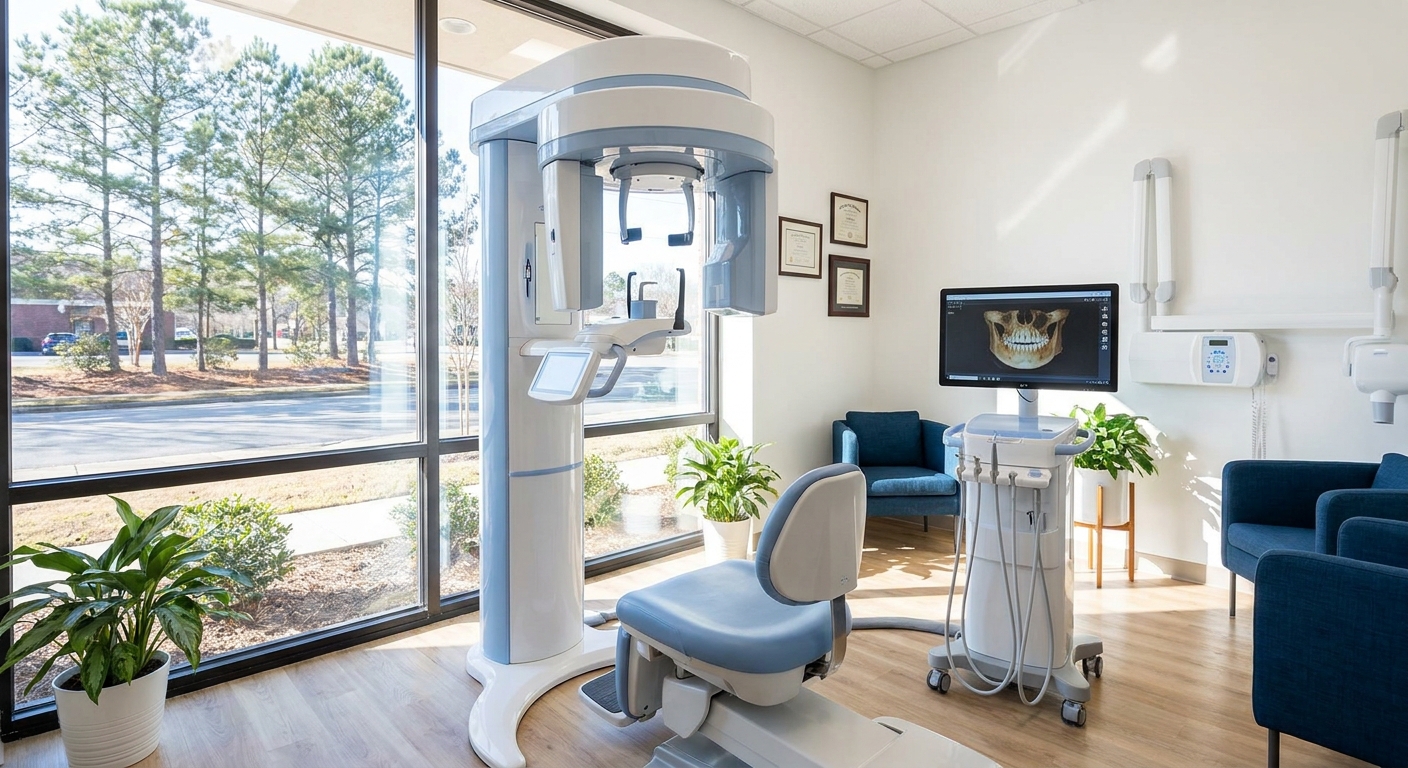
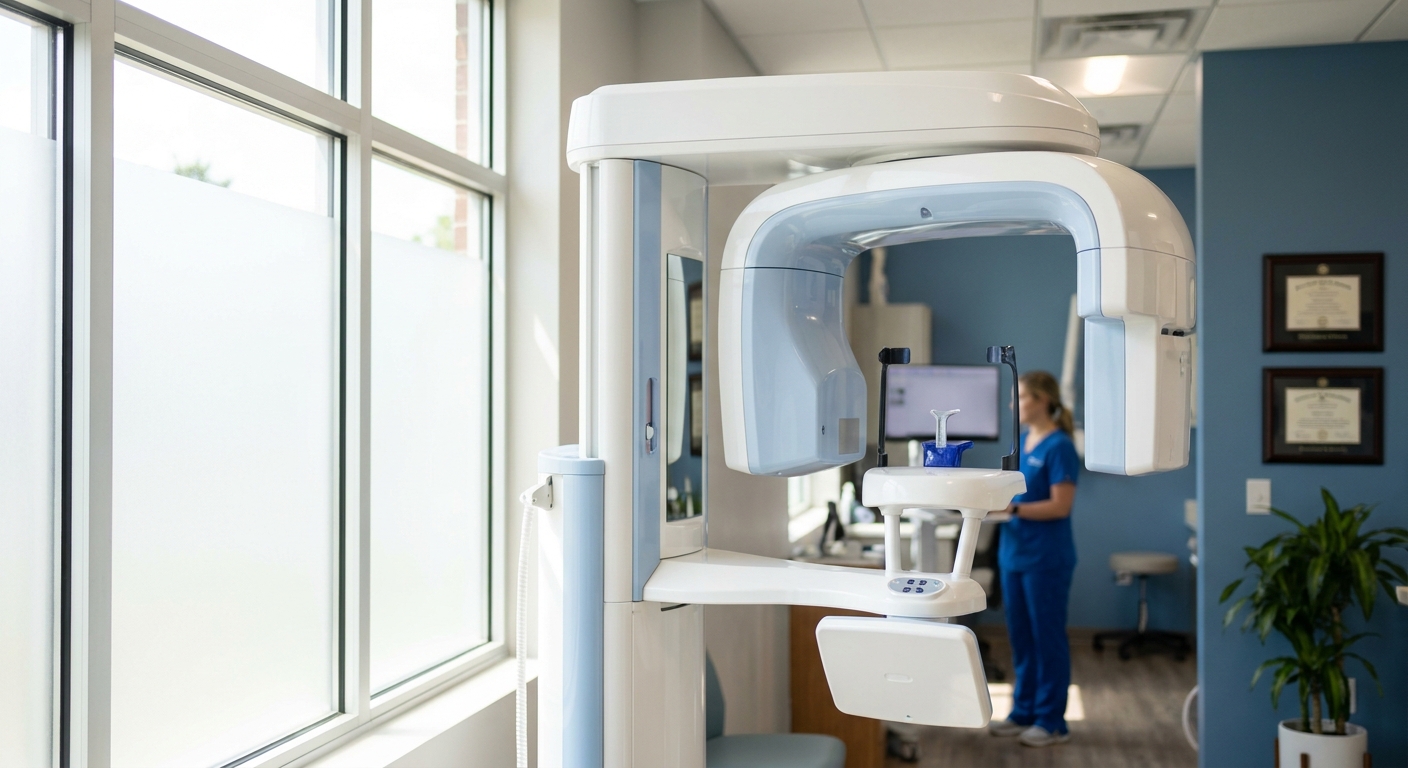
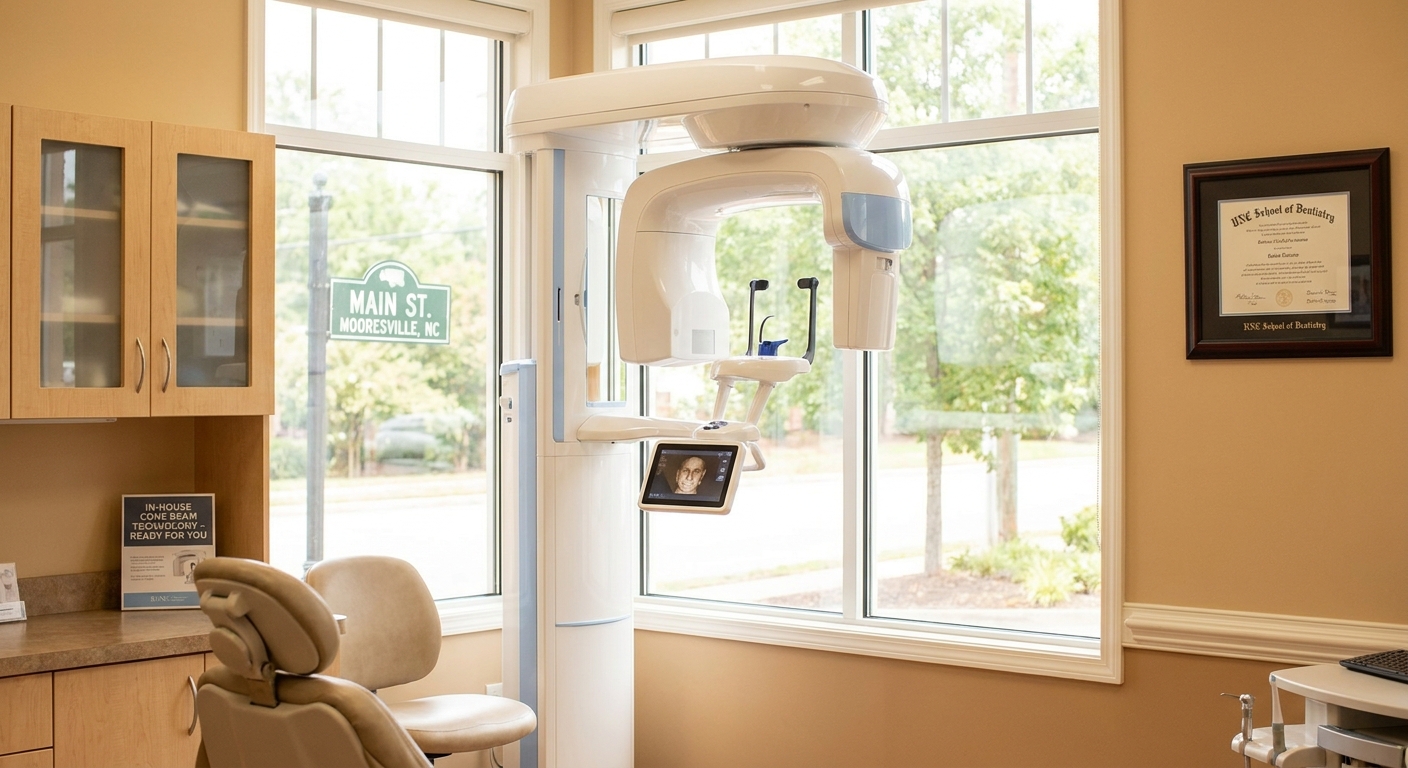
Cone-beam computed tomography (CBCT) takes 3D scans of your jaw and skull, delivering detailed views of your joint alignment and bone structure. Dentists increasingly rely on CBCT when TMJ disorder is suspected, as it highlights subtle joint changes that traditional X-rays might miss.
Magnetic resonance imaging (MRI) shines when soft tissues like the disc in your TMJ are the suspected culprit. An MRI can show disc displacement, inflammation, and other soft-tissue irregularities without radiation exposure. If conservative treatments fail to alleviate your pain, your dentist or oral surgeon may recommend MRI to guide further intervention.
Some practices also use ultrasound to evaluate muscle tension and blood flow around the joint. While less common, this non-invasive tool can help monitor progress during physical therapy. By combining these imaging modalities, your dental team crafts a precise picture of what’s driving your jaw pain related to tooth issues and TMJ dysfunction.
Considering treatment options
Choosing the right treatment hinges on your specific diagnosis. In cases of mild TMJ inflammation or muscle tension, conservative therapies are often the first line of defense. These include gentle jaw stretching exercises guided by a physical therapist, relaxation techniques to reduce clenching, and short-term anti-inflammatory medications. A custom-fitted mouth guard can protect your teeth from nighttime grinding and ease joint pressure; you can arrange this through your dentist for chronic tooth pain.
When a tooth infection is responsible, your dentist may perform a root canal to remove infected tissue, disinfect the canal, and seal it with a rubbery filling. This procedure halts bacterial spread and prevents the infection from returning to your jawbone. If a root canal cannot fully resolve the infection, an apicoectomy may be necessary, where the dentist removes the tip of the root and surrounding inflamed tissue [2].
Cracked or severely damaged teeth might require full-coverage crowns or extraction if restoration isn’t feasible. In some situations, replacing the missing tooth with a bridge or implant prevents future bite imbalances that could trigger jaw pain.
For advanced TMJ disorders unresponsive to non-surgical care, referral to an oral surgeon for joint repair or disc repositioning surgery may be recommended. While surgery carries risks and longer recovery times, it can provide lasting relief when other treatments have failed.
Throughout treatment planning, your dentist will coordinate with specialists—endodontists, oral surgeons, and physical therapists—to ensure a cohesive approach. Clear communication among providers helps you progress smoothly from diagnosis to symptom resolution.
Implementing self-care practices
While professional treatment addresses the underlying cause of your jaw pain, self-care plays a vital role in day-to-day relief. Consistent home routines can reduce inflammation and prevent flare-ups between appointments. Consider these steps as part of your recovery toolkit:
- Apply a warm compress to the joint area for ten minutes to relax muscles before meals.
- Take over-the-counter ibuprofen or naproxen as directed to manage soreness and swelling.
- Skip hard, chewy, or sticky foods that strain your jaw and opt for softer options like yogurt or soup.
- Perform gentle jaw opening and closing exercises several times a day to maintain mobility.
- Wear a custom mouth guard at night to protect against tooth grinding and joint compression.
If any of these measures increase your discomfort or if you notice new symptoms, pause the activity and consult your dentist. Self-care should complement—not replace—professional evaluation and treatment.
Preventing future jaw pain
After resolving acute pain, you’ll want strategies to keep symptoms at bay. Lifestyle adjustments such as stress management, including meditation or biofeedback, can reduce jaw clenching induced by tension. If you bite your nails or chew gum excessively, stopping those habits alleviates constant muscle strain around your joint.
Maintaining proper posture—especially if you spend hours at a computer—helps prevent forward-head position that tenses jaw muscles. Ergonomic adjustments to your workspace, like raising your monitor to eye level, can make a significant difference.
Regular dental check-ups every six months allow early detection of cavities, occlusal shifts, or minor TMJ changes before they escalate into painful conditions. Scheduling an evaluation for tooth pain at the first sign of discomfort ensures prompt intervention and preserves both tooth and joint health.
By integrating these prevention tactics into your routine, you’re less likely to experience recurrent jaw pain and more likely to enjoy lasting relief.
Jaw pain related to tooth and joint issues doesn’t have to dictate your quality of life. Understanding the spectrum of causes, recognizing red-flag symptoms, and following a clear diagnostic and treatment pathway empower you to take control. If you’re dealing with persistent or unexplained jaw discomfort, reach out to your dental professional and schedule a comprehensive assessment today.