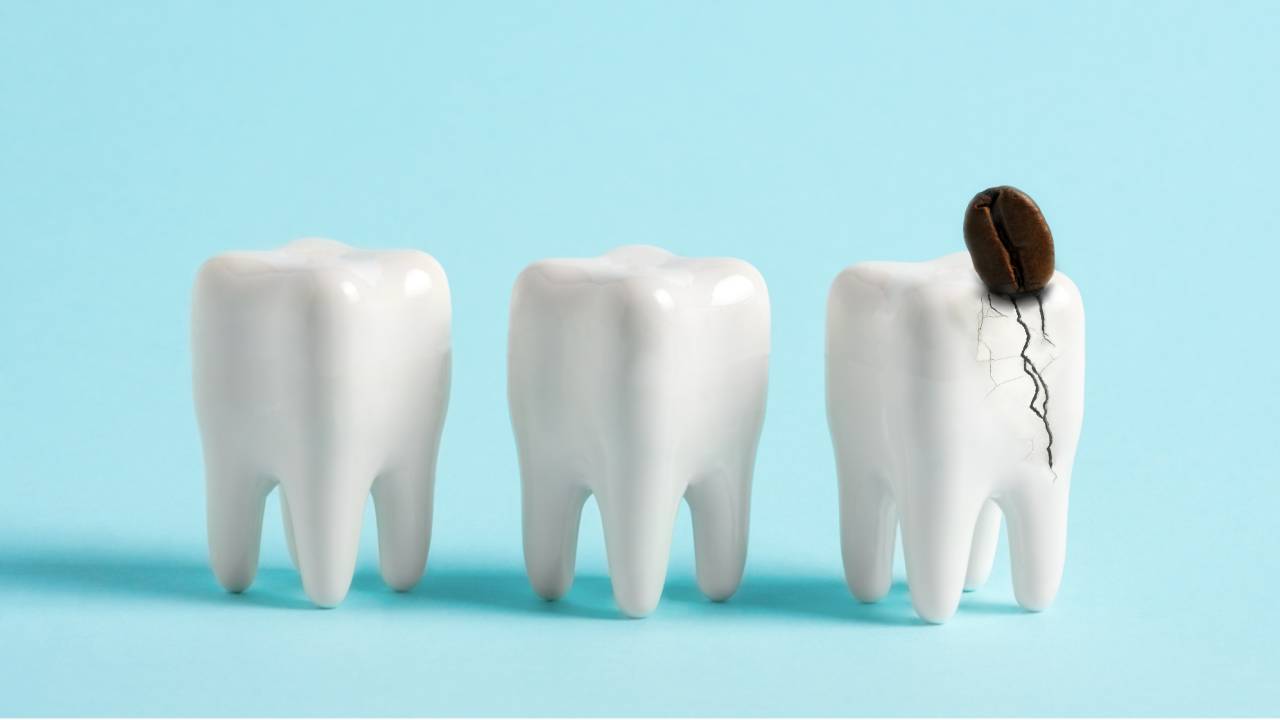
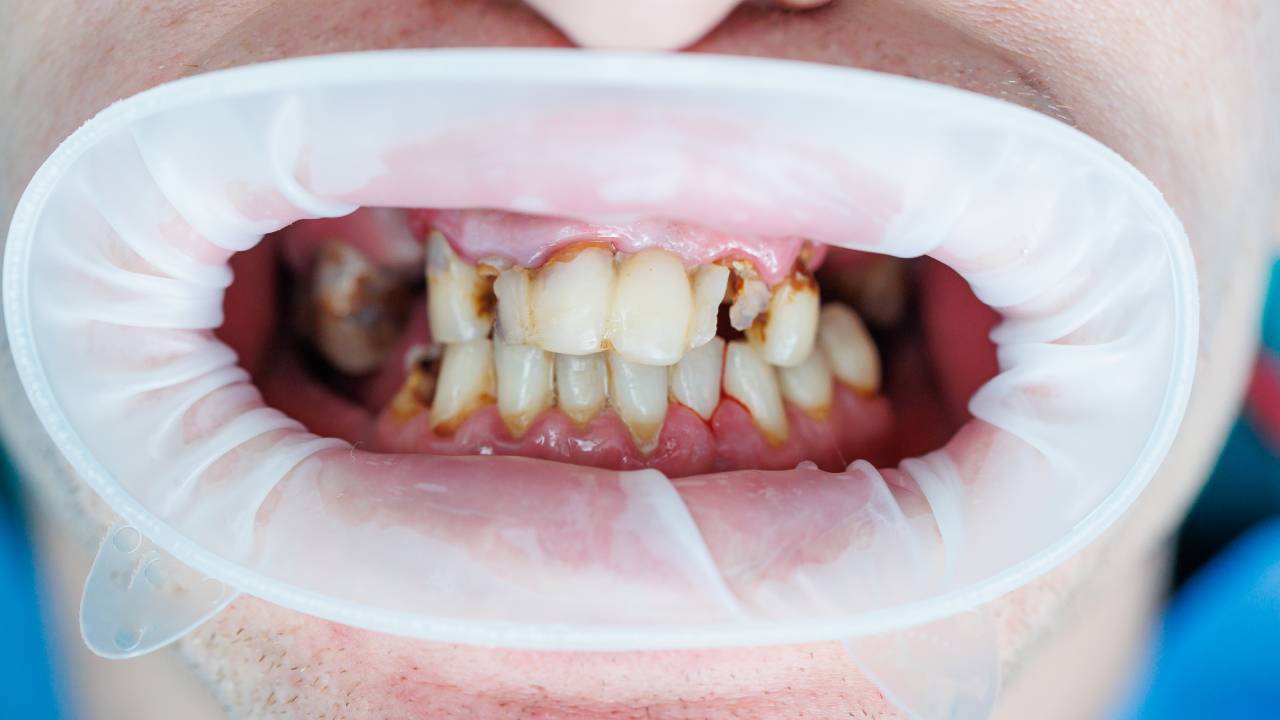
When you experience discomfort that refuses to fade, a thorough lingering tooth pain evaluation can be the turning point in finding relief and preventing more serious complications. As you pursue answers, your dentist will combine clinical tests, imaging techniques, and detailed history to pinpoint the root cause. Early intervention not only soothes pain, it reduces the risk of infection spreading.
Lingering tooth pain that lasts longer than a day or two usually indicates a dental issue requiring professional assessment and treatment by a dentist to identify the underlying cause and provide relief [1]. Waiting for the pain to resolve on its own may allow cavities to worsen or infections to take hold. If your toothache persists, schedule an appointment with a persistent toothache dentist.
Understanding tooth pain
Your first step in relief is understanding the nature of your discomfort. Tooth pain can range from a sharp jolt when biting to a dull ache that persists day and night. That variability reflects the many underlying issues your dentist will evaluate.
Persistent toothache often means decay has reached the dentin or pulp, but sensitivity may also stem from enamel wear, gum recession, or even sinus pressure. In some cases you might feel referred pain from a temporomandibular disorder or bruxism rather than an actual dental infection. Recognizing these nuances guides the diagnostic plan and the specific tests your clinician chooses.
To differentiate between pulpal and periodontal pain, your dentist will consider factors like the quality of pain, location, duration, and response to stimuli. Pulpal pain usually presents as sharp, localized bursts, whereas periodontal discomfort may feel more diffuse and linked to chewing. Sinus-related pain often worsens with bending forward or blowing your nose. Armed with these insights, your provider structures the diagnostic exam to include targeted tests, ensuring a comprehensive assessment. Understanding these classifications helps you set realistic expectations for treatment outcomes.
When you cannot pinpoint why your tooth hurts, working with an unexplained tooth pain dentist ensures no detail is overlooked.
Recognizing pain triggers
Identifying the situations that worsen your pain helps focus the evaluation. Different triggers can point toward decay, infection, structural damage, or other conditions.
Pain when biting and chewing
If you notice sharp or throbbing pain when you bite down, it often signals a compromised tooth structure. Cracks in enamel or deep cavities may allow pressure to irritate the pulp chamber. You may want to consult a pain when biting tooth dentist who specializes in diagnosing this type of pain.
Referred jaw pain may also occur if a tooth is inflamed or infected, making chewing uncomfortable even if the tooth looks intact. A jaw pain related to tooth dentist can distinguish between dental and TMJ sources of discomfort.
Sensitivity to hot and cold
A sudden sting when you sip something hot or cold often indicates enamel erosion or dentin exposure. Tooth sensitivity causing sharp pains with hot or cold foods can signal exposed dentin due to enamel wear or gum recession, even in the absence of cavities, and should be assessed by a dental professional to address the underlying cause [2]. You can schedule a sensitivity pain dentist evaluation to determine if this sensitivity is reversible with treatments like fluoride varnish or bonding.
Persistent cold sensitivity that does not ease with desensitizing toothpaste may require root canal therapy to relieve discomfort.
Pressure or throbbing sensations
If your tooth feels like it is under constant pressure or pulses in time with your heartbeat, you could be facing an abscess or serious infection. Unbearable tooth pain accompanied by fever and chills is considered a dental emergency since infection can spread to other body areas, urgent evaluation in a dental clinic or emergency room is critical in such cases [1]. A pressure pain tooth dentist can assess whether swelling or an abscess is the cause and plan immediate treatment.
Assessing your history
Your medical and dental history lays the groundwork for accurate diagnosis. A thorough review helps your dentist understand risk factors and direct the evaluation.
Your dentist will ask about previous dental work, episodes of trauma, frequency of pain episodes, and any prior infections. It is vital to share systemic health conditions such as diabetes, autoimmune disorders, or medications that affect healing. All of these elements influence your susceptibility to decay, gum disease, or atypical pain syndromes.
You may also discuss lifestyle factors like diet, tobacco use, and teeth grinding at night. Bruxism, for example, can contribute to cracks that mimic cavity pain but require different treatment strategies. By combining your history with symptom details, your provider narrows down the likely causes before starting clinical tests.
Recent procedures such as teeth whitening, braces adjustments, or restoration work can lead to transient sensitivity. While mild irritation often resolves in 24 to 48 hours, any discomfort persisting longer warrants evaluation. This context helps your dentist differentiate routine post-treatment soreness from more serious pathology.
Conducting clinical exams
A hands-on examination reveals many clues about the source of your discomfort. Your dentist will use visual inspection, tactile probing, and simple tests to assess your teeth and surrounding tissues.
They will look for visible signs of decay, wear facets, cracks, and gum inflammation. A gentle tap on each tooth, known as percussion testing, can uncover deep infections that make the tooth tender to touch. A skilled clinician will palpate around the gums and jaw to check for swelling or lymph node enlargement.
Evaluating tooth mobility helps identify periodontal disease or advanced infection that compromises the tooth’s support. If needed, your dentist may refer you for a specialized tooth discomfort exam dentist to complete pulpal and periodontal assessments before proceeding to imaging. Consulting a tooth pain diagnosis dentist ensures expert interpretation of complex cases.
Advances in intraoral cameras allow you to see problem areas in real time, improving understanding and treatment acceptance.
Using diagnostic imaging
Imaging techniques play a crucial role in modern tooth pain evaluation. They reveal hidden issues that are not visible to the naked eye or detectable by manual tests.
Below is a comparison of common imaging methods used in dental diagnostics:
| Technique | Purpose | Benefit | Limitation |
|---|---|---|---|
| Periapical X-ray | Detects cavities, bone loss, abscess | Widely available, low radiation | Limited view of surrounding structures |
| Cone beam CT (CBCT) | 3D view of tooth roots and jaw | Detailed anatomy, precise planning | Higher radiation dose, cost |
Your dentist may start with standard radiographs and escalate to CBCT scans if the pain is unexplained or if advanced planning is needed for surgeries or implants. Imaging is an essential component of your evaluation for tooth pain.
Performing pulp tests
After imaging, your clinician will perform pulp vitality tests to check nerve health. These tests differentiate between reversible sensitivity and irreversible pulpitis requiring root canal therapy.
Thermal tests involve applying cold or heat to the tooth surface and measuring your response time and intensity of pain. Prolonged or severe reaction can indicate inflammation within the pulp chamber. Electric pulp testing uses a mild electrical current to assess nerve conductivity, which helps determine if the pulp is alive, inflamed, or necrotic.
If your symptoms coincide with sinus headaches or TMJ discomfort, your dentist might refer you for a medical evaluation to rule out sinus infection or temporomandibular disorders. This interdisciplinary approach ensures that non-dental origins of pain are not overlooked.
Your dentist interprets test results in context, avoiding over-treatment of healthy teeth while catching early disease.
Identifying common causes
Through history, exam, imaging, and tests, your dentist will identify one or more of the following causes of lingering tooth pain. This step narrows down potential issues from cavities to systemic conditions:
- Tooth decay reaching dentin or pulp
- Dental abscess or infection
- Gum recession exposing sensitive roots
- Cracks or fractures in enamel or tooth structure
- Sinus infections affecting upper teeth [2]
- Atypical odontalgia, a neuropathic pain condition [3]
In cases of abscess or deep decay, you may need to see a dentist for tooth infection symptoms for antibiotics or drainage before definitive treatment. Some conditions like atypical odontalgia resist conventional treatment, requiring neuropathic medications and pain management strategies. If tests fail to find a clear cause, ask your provider about a dentist for nerve pain tooth for specialized care.
Planning your treatment
Once the source of your pain is clear, your dentist develops a personalized treatment plan. This plan balances immediate relief with long-term restoration of function and health.
You might begin with pain management using prescription analgesics, antiseptic rinses, or a brief course of antibiotics. For deep cavities, a filling or crown restores structural integrity, while root canal therapy addresses irreversible pulp damage. A split-course treatment often combines both approaches to minimize discomfort during the healing process.
If your case involves complex fractures or implant planning, a referral to an endodontist or oral surgeon ensures you receive specialized care. A dentist for possible tooth infection can coordinate the steps needed for surgical intervention, including sedation or hospital-based procedures if necessary.
All treatment plans include follow-up visits to monitor healing, adjust restorations, and prevent recurrence of symptoms.
Preventing urgent issues
Early diagnosis and treatment planning help you avoid emergency dental visits. By addressing minor sensitivity and decay promptly, you reduce the likelihood of abscess formation, hospital referrals, and extensive procedures.
Maintaining good oral hygiene and regular checkups lets your dentist spot tiny problems before they escalate. Nightguards, diet modification, and stress management form part of your long-term strategy. If you experience sudden swelling, fever, or worsening pain, do not wait. Contact a dentist for ongoing tooth pain immediately to prevent complications like sepsis or jaw osteomyelitis.
Preparing for your visit
Knowing what to expect can ease your anxiety about dental diagnostics. You will fill out a health questionnaire, undergo a clinical exam, and participate in diagnostic tests that rarely take more than an hour. Imaging may add extra time but often occurs in the same visit.
Be ready to describe your symptoms in detail, including onset, duration, intensity, and any factors that improve or worsen the pain. Bring a list of medications and any recent medical or dental records. Insurance coverage may vary by procedure, so check your plan before scheduling your appointment.
A well-prepared appointment speeds up diagnosis and gets you on the path to relief sooner.
A thorough lingering tooth pain evaluation sets you on the clear path to relief and lasting oral health. For next steps, schedule a dental pain assessment appointment.
References
- (Cleveland Clinic)
- (Colgate)
- (AAOM)