A missing teeth dental evaluation is your first step toward restoring oral health, function, and self-confidence after tooth loss. Whether you’ve lost a single tooth to trauma or inherited a gap at birth, a thorough evaluation helps you understand the full impact on your mouth and plan an effective restoration strategy. By assessing your current condition—gum health, jawbone stability, bite alignment—you and your dental team set clear goals and map out a personalized treatment journey that preserves your smile and prevents future complications.
Missing teeth aren’t just cosmetic. They can disrupt chewing, alter your bite, and lead to bone loss over time. Early assessment keeps small problems from becoming big ones. When you schedule a missing tooth evaluation dentist appointment, you gain insight into the underlying causes of your tooth loss and practical guidance on rebuilding a healthy, balanced mouth.
Recognize missing teeth impact
Functional and aesthetic effects
Missing teeth create more than noticeable gaps. You may struggle to chew certain foods, shifting more work onto remaining teeth and accelerating wear. Over time, the bone where teeth once sat can resorb, reducing jawbone height and changing facial contours. Speech patterns may shift, too, as your tongue and lips compensate for missing support.
Congenital tooth absence, known as hypodontia, affects between 2% and 8% of the general population [1]. Even a single missing tooth can trigger a chain reaction of dental issues, so recognizing these functional and aesthetic effects early is critical.
Emotional and social consequences
Beyond physical changes, missing teeth can erode confidence. You might hide your smile in photos or avoid social situations altogether. Feeling self-conscious about a gap can impact job interviews, first dates, or daily interactions. Addressing these emotional and social consequences starts with an honest evaluation that identifies both the visible and hidden effects of tooth loss.
Assess your oral health
Clinical examination
Your dentist for missing teeth will begin with a hands-on clinical examination. This includes checking gum health, measuring pocket depths around adjacent teeth, and assessing whether nearby roots or restorations show signs of stress. If you see a dentist for bite collapse from missing teeth, they’ll pay special attention to early signs of bite changes that can lead to jaw pain or uneven wear.
Radiographic analysis
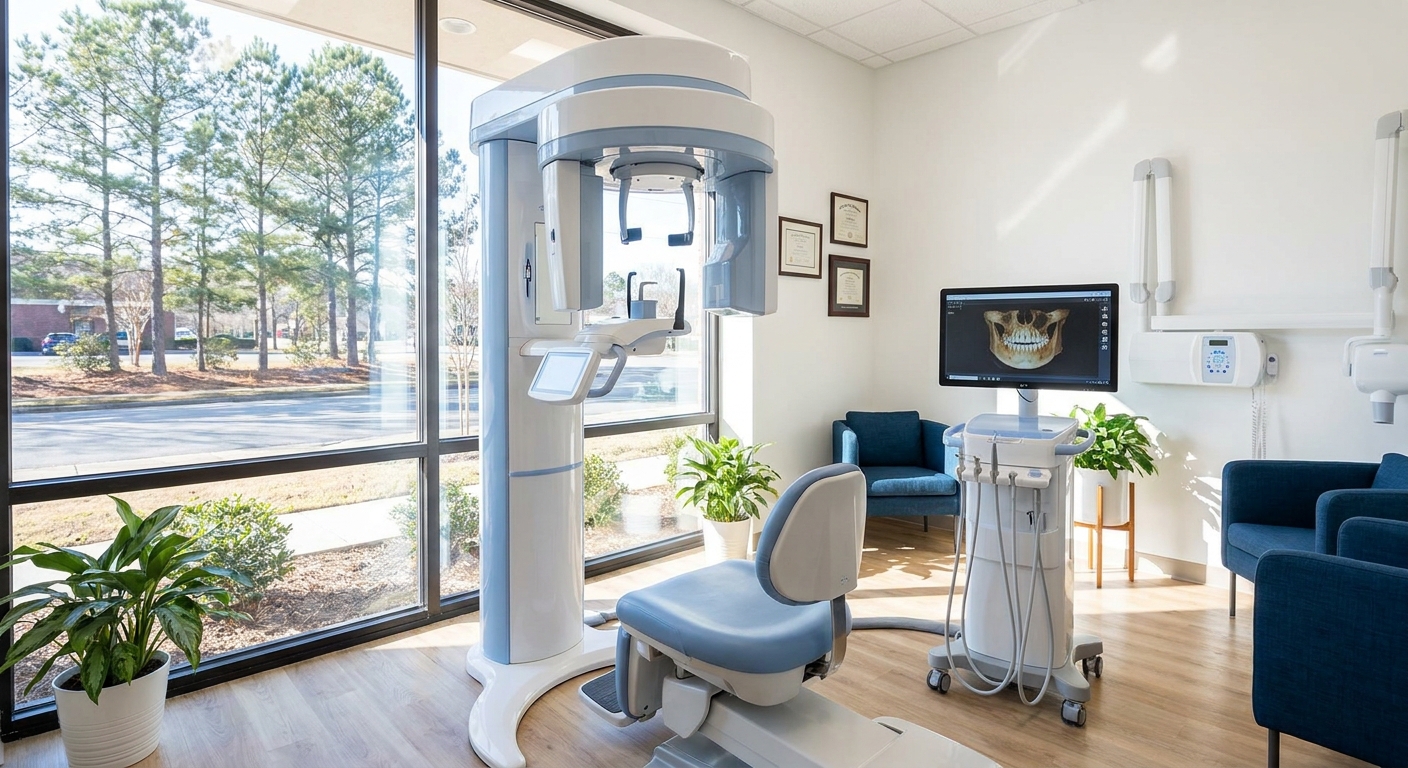
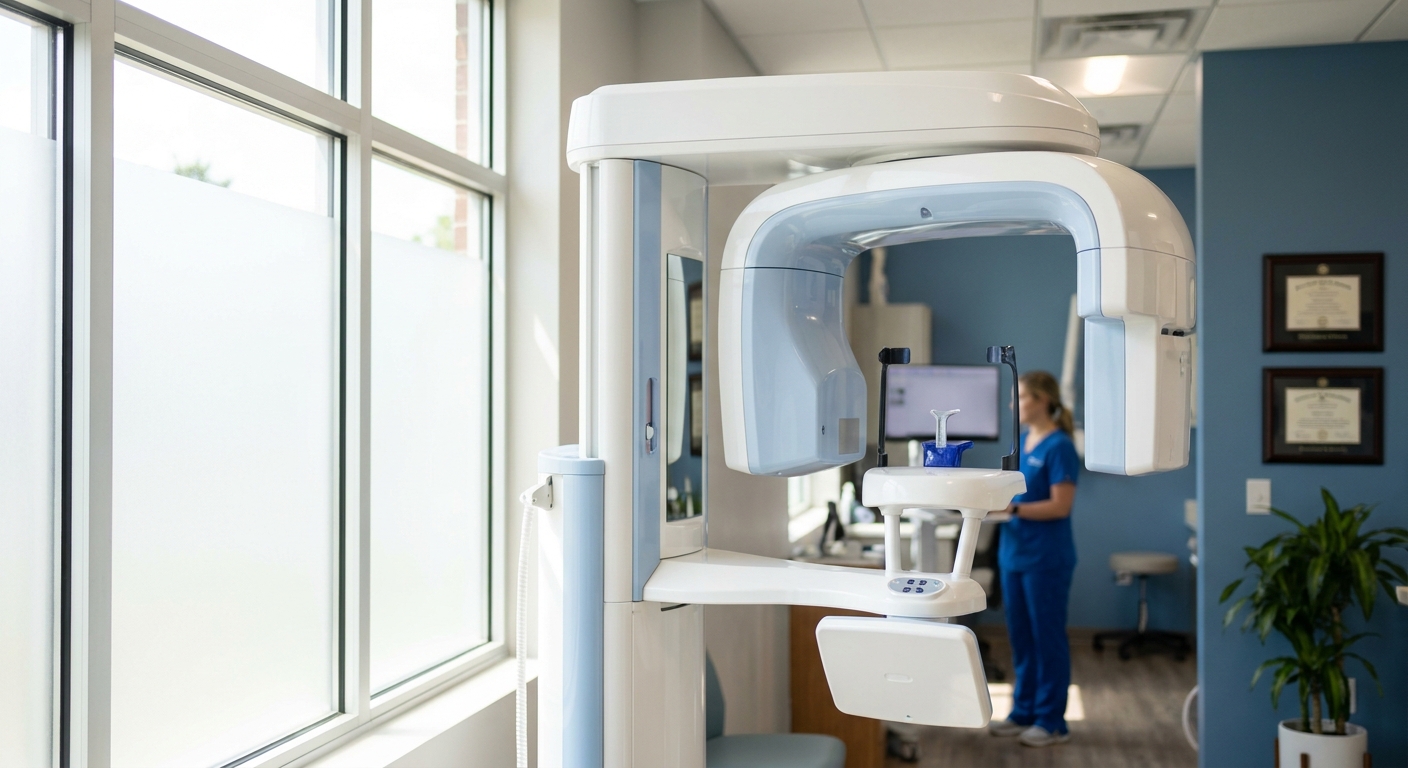
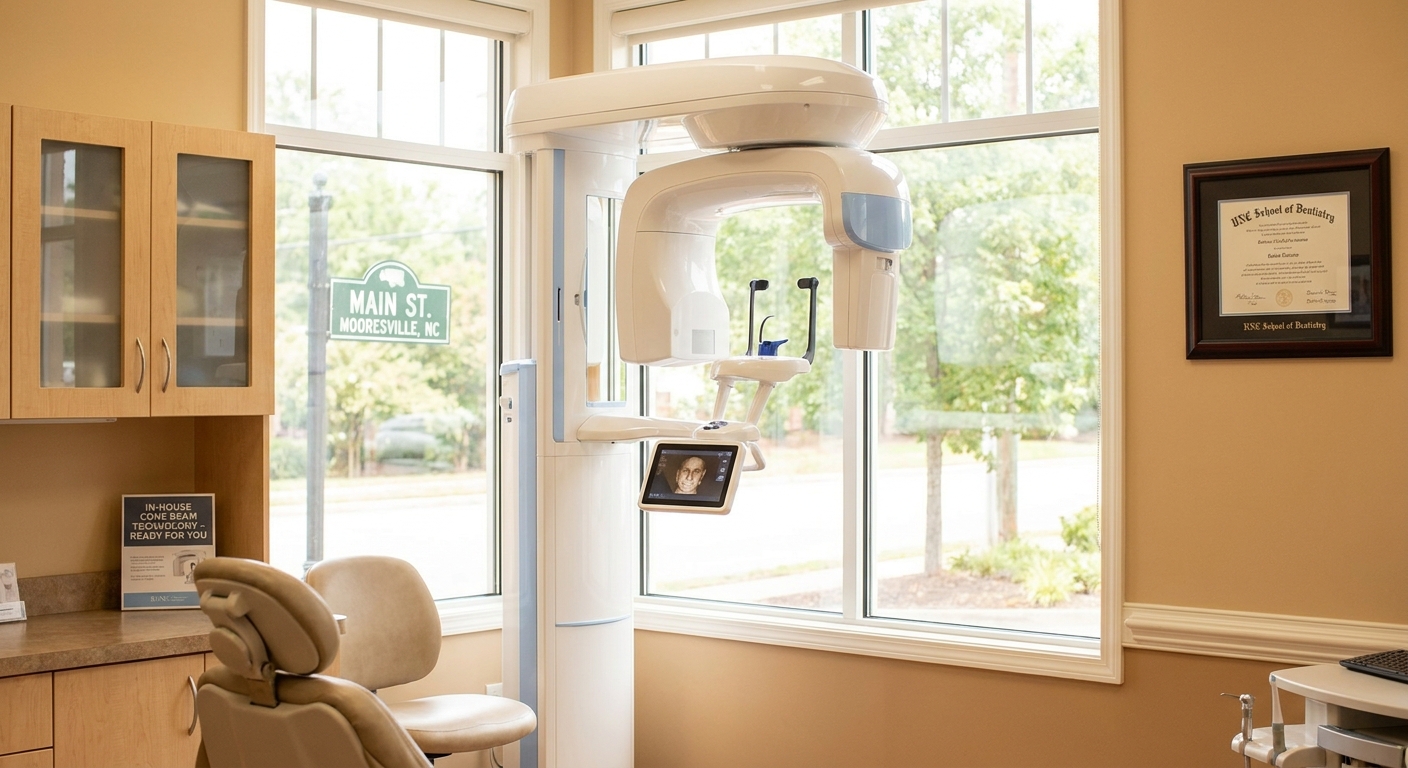
Digital X-rays reveal what you can’t see: bone volume, root positions, and hidden decay. Panoramic imaging or cone-beam computed tomography (CBCT) may be recommended for complex cases, especially if you’re considering implants. Radiographs confirm the extent of bone loss after tooth removal and guide decisions about grafting or other preparatory procedures.
Here’s a quick overview of the key diagnostic tools your dentist might use:
| Evaluation component | Purpose |
|---|---|
| Clinical examination | Check gum health, soft tissue, and tooth stability |
| Periodontal screening | Identify early gum disease around missing sites |
| Dental X-rays | Assess bone height, hidden decay, and root anatomy |
| Bite analysis | Evaluate occlusion, detect bite collapse signs |
By combining these steps, your dental team builds a comprehensive picture of your oral health. This groundwork ensures that any restoration you choose—whether a bridge, denture, or implant—fits securely and functions predictably.
Evaluate bone and bite stability
Bone quality assessment
Healthy bone is the foundation for long-term tooth replacement. After tooth loss, the underlying jawbone begins to resorb at a rate of about 25% in the first year. A detailed bone quality assessment looks at thickness and density, guiding whether you need a bone graft before implant placement. In some cases, minimal bone loss means you can move forward with an implant or fixed bridge sooner than you might think.
Bite collapse evaluation
When missing teeth go unaddressed, neighboring teeth can tilt into the gap and opposing teeth may over-erupt. These shifts compromise your bite, leading to uneven force distribution and joint discomfort. A functional tooth replacement dentist examines your bite relationship, using articulating paper and digital jaw tracking to find interferences. Early detection of bite collapse prevents more extensive treatment down the line.
Plan your replacement journey
Setting clear goals
Your treatment plan starts with your personal priorities. Do you want a solution that feels most like natural teeth? Are you seeking the fastest path back to chewing steak, or is budget your primary concern? During a tooth replacement consultation dentist visit, outline your goals so your dentist can recommend options—partial dentures, fixed bridges, dental implants—that align with your lifestyle and expectations.
Personalized treatment consultation
Once goals are clear, you’ll dive into details. This evaluation for tooth replacement covers:
• Timing—immediate vs. delayed replacement
• Surgical needs—bone grafts or sinus lifts
• Financial planning—insurance coverage and payment options
By collaborating on these details, you avoid surprises and know exactly what to expect. Your dentist for long term tooth replacement will walk you through each phase, whether you’re restoring a single gap or rebuilding an entire arch.
Choose a qualified dentist
Finding the right specialist
Not every dentist offers the same level of expertise in restorative procedures. If you have multiple gaps, a dentist for multiple missing teeth can coordinate complex treatment plans. For advanced implant work, look for a professional who specializes in implant surgery or prosthodontics. A dentist for tooth loss treatment can often manage both surgical and restorative phases, streamlining your care.
What to expect
In your first consultation, expect to discuss medical history, review imaging, and hear about potential next steps. You should leave armed with a clear timeline and cost estimate. If sedation or local anesthesia is needed, make sure your provider explains risks and post-op care. A dedicated tooth loss treatment consultation ensures you’re fully informed before any work begins.
Boost your confidence
Restored function and aesthetics
After a comprehensive missing teeth dental evaluation and thoughtful planning, you’ll enjoy a restoration that looks, feels, and functions like natural teeth. Chewing becomes effortless, preventing unnecessary strain on adjacent teeth. A well-designed prosthetic integrates with your smile so seamlessly that friends and colleagues may never know you lost a tooth in the first place.
Enhanced self-esteem
When your mouth works and looks its best, your confidence soars. You’ll find yourself smiling more easily in photographs, speaking without hesitation, and feeling comfortable in social settings. Regular follow-ups with a dentist for smile restoration planning help you maintain that confidence for years to come.
Taking the first step
A missing teeth dental evaluation puts you in control of your oral health and long-term well-being. By understanding the functional, aesthetic, and emotional impact of tooth loss—and partnering with the right dental professional—you can plan a treatment journey that restores your smile and preserves your bite. Reach out today to schedule your dentist consultation for tooth loss and take the next step toward a healthier, more confident you.