When you schedule a new patient dental exam, you’ll lay the groundwork for a lifetime of oral health. This comprehensive evaluation goes beyond a routine checkup, offering an in-depth look at your teeth, gums, and bite. Whether you’re establishing care with a long-term provider or seeking a dentist accepting new patients, knowing what to expect can help you feel confident and prepared.
Understand exam benefits
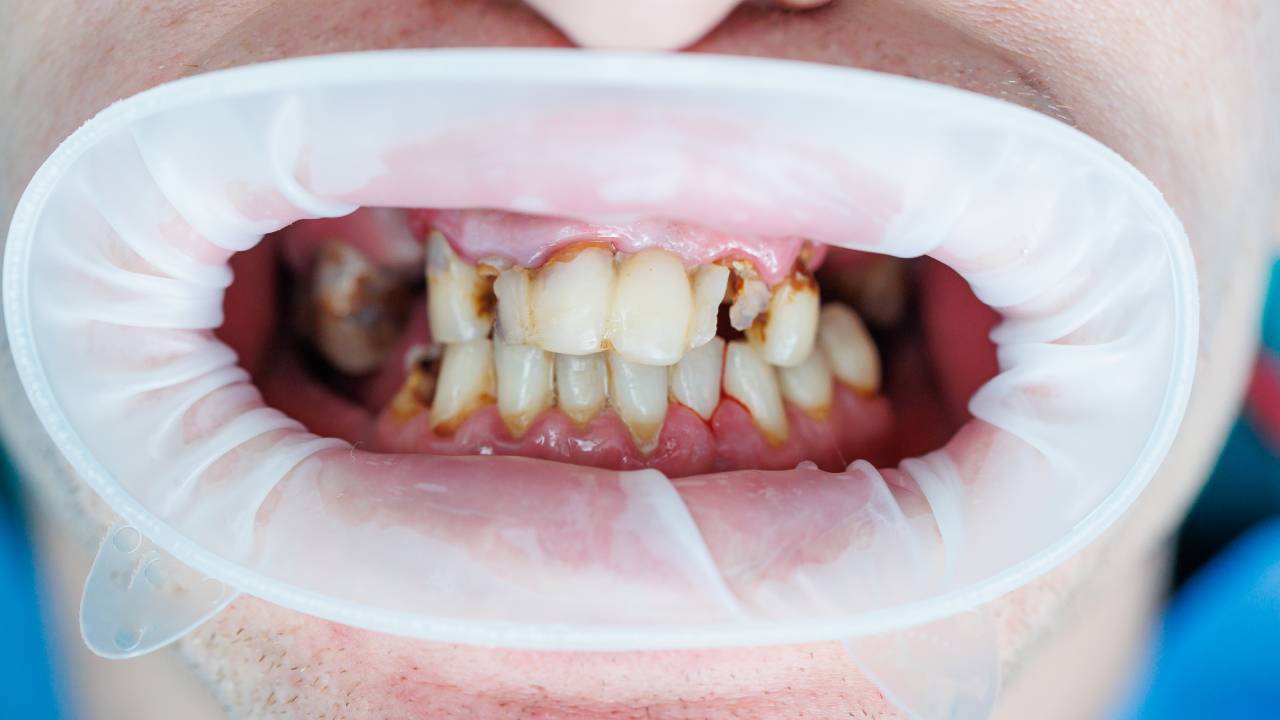
A new patient dental exam is the cornerstone of preventive care. By identifying early signs of decay, gum disease, or bite issues, your dentist can recommend targeted treatments before problems worsen. You’ll receive personalized feedback on your oral hygiene habits and practical tips to maintain healthy teeth between visits.
“The new patient dental exam is as much about answering patient questions as it is about the dentist assessing oral health needs, making it a critical step in dental care.” [1]
Beyond spotting immediate concerns, this exam establishes a baseline for tracking changes over time. You also build a relationship with your dentist and care team, which makes it easier to discuss any fears, insurance questions, or payment options in a relaxed setting.
Prepare for your visit
Gathering a few key items before your appointment streamlines the process and ensures your dentist has all the information needed. First, collect any past dental records, X-rays, and treatment summaries you can access. Note all medications, supplements, and allergies, since these details can affect your oral health and treatment choices.
Next, write down questions or concerns. Whether you have sensitivity when you eat hot foods or you’re unsure about cosmetic options, a prepared list guarantees nothing gets overlooked. Many patients find that a simple memo on their phone works best—you can reference it quickly during your initial dental consultation.
Finally, arrive a few minutes early to complete any new-patient forms. This extra time prevents last-minute stress and allows you to review financial policies or insurance coverage.
Experience the dental exam
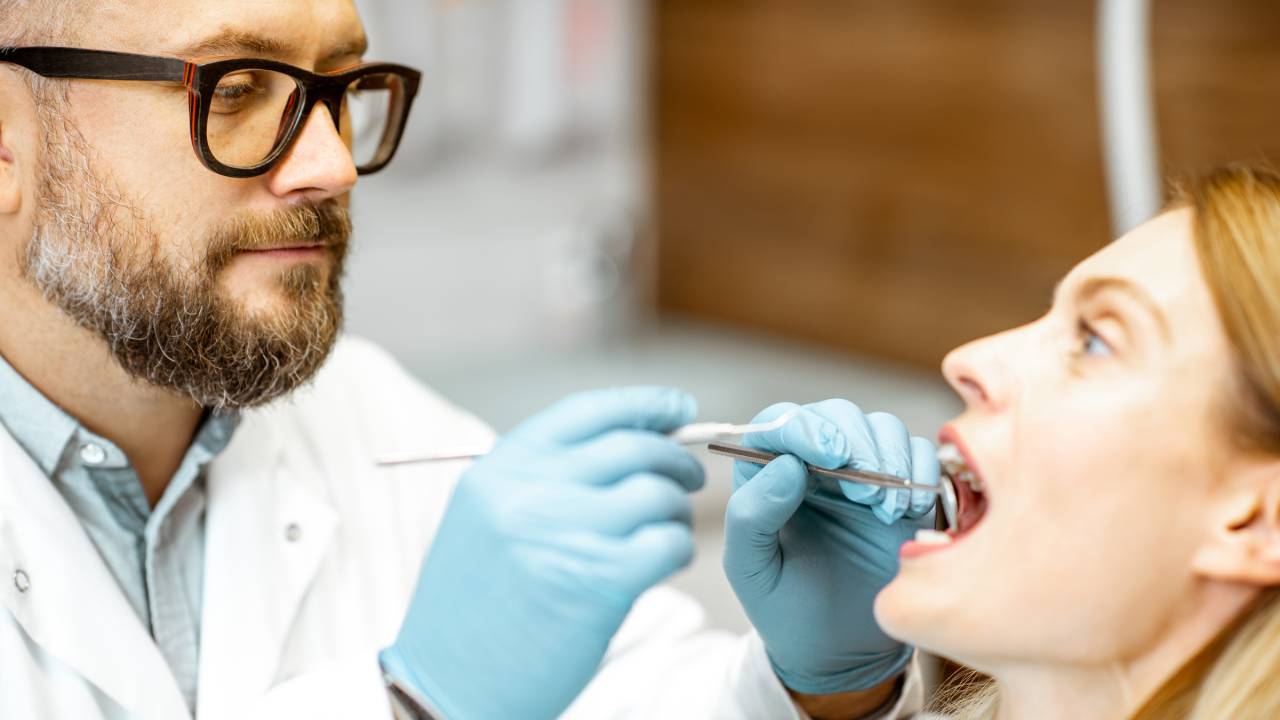
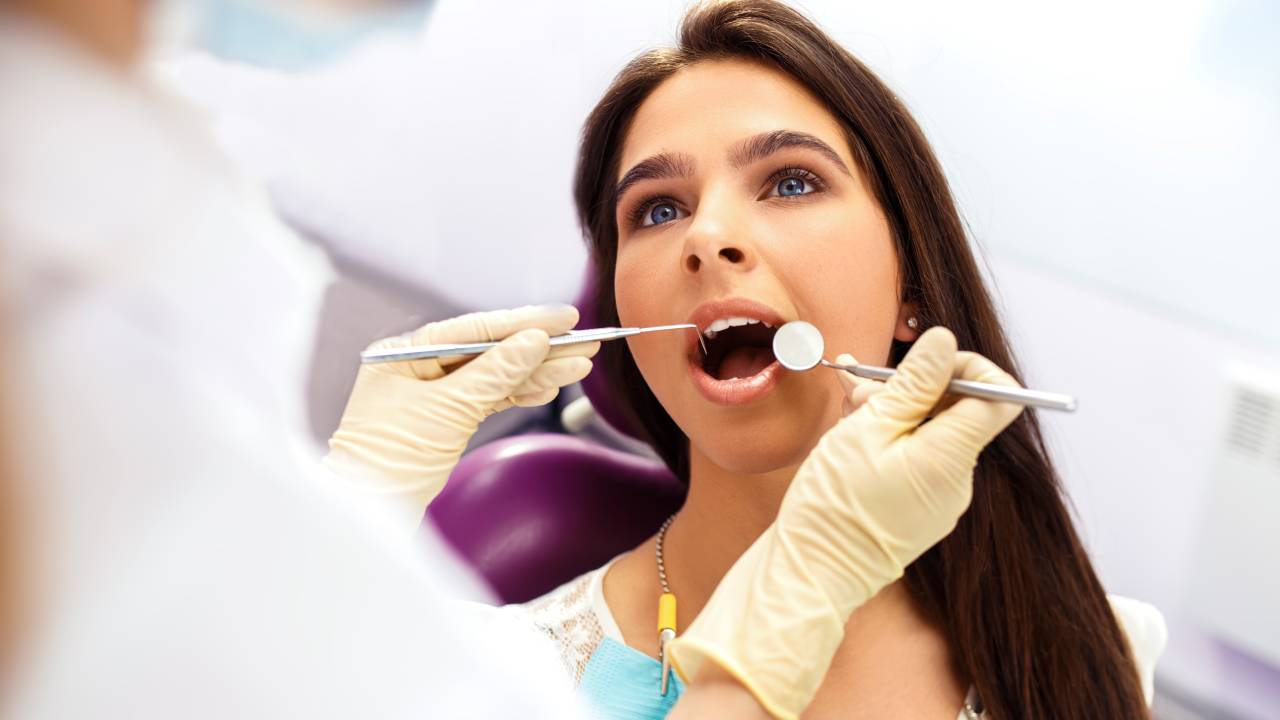
During your first dental visit appointment, the dentist and hygienist will guide you through each step of the exam. You can generally expect the appointment to last about 30 minutes on its own, though adding X-rays or a cleaning may extend the visit by another 15 to 30 minutes [1].
| Step | Duration | Purpose |
|---|---|---|
| Medical and dental history | 5–10 minutes | Review records, medications, allergies, and concerns |
| Visual exam | 5–7 minutes | Inspect teeth, gums, bite alignment, and soft tissues |
| Radiographs (X-rays) | 5–10 minutes | Detect cavities, bone loss, and hidden dental issues |
| Periodontal assessment | 3–5 minutes | Check gum health and measure pocket depths |
| Oral cancer screening | 1–2 minutes | Examine cheeks, tongue, throat, and oral tissues |
| Discussion and next steps | 3–5 minutes | Review findings, give feedback, and outline treatment plan |
This systematic process ensures nothing is missed. You can ask questions at any point, and dental professionals will explain what they’re looking for and why each procedure matters.
Review diagnostic tools
Modern dentistry uses advanced instruments to spot issues that escape the naked eye. Digital radiography, for example, captures high-resolution images with lower radiation exposure than traditional film. Intraoral cameras let you see close-up views of cracked enamel or early decay on a monitor.
Some practices also offer 3D cone-beam imaging, which maps your jaw, sinuses, and nerve pathways in three dimensions. These scans are especially helpful if you need implants, orthodontic work, or wisdom-tooth evaluation. By combining visual exams with these technologies, your dentist can make more accurate diagnoses and tailor treatments to your exact needs [2].
Plan your personalized care
Once the exam is complete, your dentist will review all findings and propose a customized treatment plan. This plan may include anything from a simple fluoride application to address sensitivity, to restorative work like fillings or crowns, to periodontal treatments for gum disease.
Your dentist will discuss the urgency, cost estimates, and alternative approaches, allowing you to make informed decisions. If you prefer a second opinion or need more detailed information, you can always schedule a follow-up comprehensive dental evaluation.
Open dialogue is key. Don’t hesitate to ask how each procedure works, why it’s recommended, or how it may affect your daily routine. A transparent conversation helps you feel confident about moving forward.
Schedule your appointment
Booking your new patient dental exam should be easy and stress-free. Many offices provide online portals where you can select a convenient date and time for a routine dental checkup appointment or a full dental exam appointment. If you’d rather speak with staff, a quick phone call can secure your slot and answer any logistical questions.
When you call or click to schedule dental exam today, have your insurance information handy and be prepared to discuss any special accommodations you might need. Early morning or late-day appointments are popular, so booking a few weeks in advance often yields the best availability.
Compare cost options
Understanding fees and payment plans helps you avoid surprises. The national average cost for a routine dental exam, including a full cleaning and X-rays, is $203, though prices range from $50 to $350 depending on location and provider [3].
Some practices offer bundled new-patient specials. For instance, select Aspen Dental offices provide a new patient exam with X-rays for $29 for patients aged 21 or older without insurance through December 31, 2026 [4]. Their annual savings plan, starting at $49, can reduce costs for exams, cleanings, and X-rays.
If you need flexibility, ask about in-house payment plans or third-party financing like CareCredit. Many offices also accept Health Savings Account (HSA) or Flexible Spending Account (FSA) payments.
Maintain oral health
A new patient dental exam is only the beginning of a proactive oral care routine. Most dentists recommend follow-up visits every six months, though your individual risk factors might warrant more frequent checkups. Regular professional cleanings remove plaque and tartar that brushing alone can’t address.
At home, stick to a twice-daily brushing regimen with fluoride toothpaste and daily flossing. Consider mouth rinses designed for your specific concerns, such as sensitivity or gum health.
In Canada, the Alberta Health and Canadian Dental Association suggest visiting at least twice a year, adjusting frequency based on your personalized assessment [5]. By combining professional care with diligent at-home practices, you’ll protect your smile and catch potential issues early.
With clear expectations, thorough preparation, and an open conversation with your dental team, your new patient dental exam can be a stress-free first step toward lasting oral health. Whether you need a general dentist appointment or a dental exam for adults, following these guidelines will help you get the most from your visit.