Experiencing pain when biting down on a tooth can be alarming, and if you’ve searched “pain when biting tooth dentist,” you’re not alone in seeking answers. Whether it’s a sharp jolt of discomfort or a lingering ache, this symptom signals an underlying issue that deserves prompt attention. Ignoring it may let a minor problem evolve into a serious condition requiring emergency care.
In this guide, you’ll learn the most common causes of bite pain, why early diagnosis matters, how dentists evaluate your symptoms, and what treatment paths you might face. We’ll also cover simple at-home relief techniques and prevention strategies so you can protect your smile and overall health.
Common causes of bite pain
Tooth decay
When bacteria break down sugars in your mouth, they produce acids that erode enamel and eventually reach the dentin or nerve. You may feel pain on biting, especially if decay has advanced into a cavity near the pulp chamber. This discomfort often begins as fleeting sensitivity and can escalate into a constant ache as the damage deepens.
If you notice a sharp pain when biting down on food, it may indicate dental decay or a loose filling—and the pulp tissue inside could be inflamed or infected, requiring evaluation by a dentist or endodontist for possible root canal therapy [1].
Cracked or fractured teeth
Hairline cracks don’t always show up on X-rays, yet can trigger intermittent pain when chewing. You might feel discomfort only when biting on certain angles, making diagnosis tricky. Over time, chewing forces can widen these cracks, causing bleeding, infection, or pulp damage if left unaddressed.
Specialized tests—such as bite tests or transillumination—help pinpoint these fractures. Early detection allows for protective restorations before the crack worsens into a split tooth.
High fillings or crowns
An uneven filling or crown can throw off your bite, distributing excessive pressure to one tooth. You may experience pain not because of decay but due to occlusal trauma as your upper and lower teeth collide improperly. High spots can irritate the periodontal ligament, causing tenderness when you bite down.
If you suspect pressure pain from an overbuilt restoration, schedule an evaluation with a pressure pain tooth dentist to have your bite adjusted and ensure even force distribution.
Gum disease
Receding or inflamed gums expose tooth roots, which lack protective enamel and are rich in nerve endings. Chewing can tug on these sensitive areas, causing pain near the gum line. You may also notice redness, swelling, or bleeding when brushing and flossing.
Prompt periodontal assessment and treatment—such as scaling, root planing, or gum grafts—can resolve root sensitivity and halt disease progression. Consult a dentist for inflamed tooth if your gums hurt when you bite.
Bruxism
Grinding or clenching your teeth, often during sleep, wears down enamel and stresses the jaw joint. The result can be microfractures, exposed dentin, and muscle soreness that intensifies when you bite. You may also wake up with headaches or jaw pain.
A night guard or stress-management therapies can protect your teeth and relieve muscle tension, preventing bite-related discomfort.
Dental abscess
A localized infection at the root tip forms a pocket of pus that exerts pressure on surrounding tissues. When you bite, that pressure spikes, causing sharp, throbbing pain along with possible swelling, fever, or a bad taste in your mouth. Ignoring these signs risks spreading infection to bone or other areas of your head and neck [2].
If you suspect an abscess, contact a dentist for tooth infection symptoms immediately to drain the infection and preserve the tooth.
Sinus-related pain
Sometimes upper molar pain when chewing comes from sinus congestion or infection. Sinus cavities sit close to the roots of your back teeth, so pressure from inflammation can mimic dental pain. You may notice this discomfort alongside nasal congestion, facial pressure, or headache.
A medical evaluation for sinusitis can rule out dental causes, sparing you unnecessary dental treatments.
Importance of early diagnosis
Delaying care for pain when biting down allows small problems to grow into big ones. What starts as a manageable cavity or minor crack can progress into nerve damage, abscess formation, or even tooth loss.
Ignoring bite pain can lead to complex treatments or emergencies that might have been easily prevented with timely care.
Preventing complications
Early diagnosis helps you avoid infections that spread beyond the tooth, reducing the need for invasive procedures or hospital visits. Treating a cavity before pulp involvement means you may only need a filling, not a root canal.
Preserving tooth structure
Conservative treatments—like composite restorations or onlays—are far gentler than extractions or crowns. Preserving more of your natural tooth supports long-term oral health and function.
Avoiding emergencies
Emergency root canals or extractions often come with pain, swelling, and higher costs. By seeking evaluation at the first sign of bite pain, you reduce the likelihood of urgent scenarios.
Swift intervention not only saves you discomfort but also protects your overall health, as dental infections can affect systemic conditions like heart disease and diabetes.
How dentists diagnose symptoms
Clinical examination
Your dentist will begin with a thorough visual check, looking for visible decay, cracks, gum inflammation, or high restorations. They’ll ask you to bite on specific instruments like a bite stick or cotton roll to reproduce the pain and isolate the problem tooth.
Palpation of surrounding tissues can reveal abscess swelling, while periodontal probing assesses gum health.
Diagnostic imaging
X-rays provide a window into hidden areas of your mouth. Different imaging types serve unique purposes:
| Imaging type | Purpose | Notes |
|---|---|---|
| Periapical X-ray | Detects decay, abscesses, root anomalies | Quick, in-office |
| Bitewing X-ray | Identifies interproximal cavities | May miss root or bone issues |
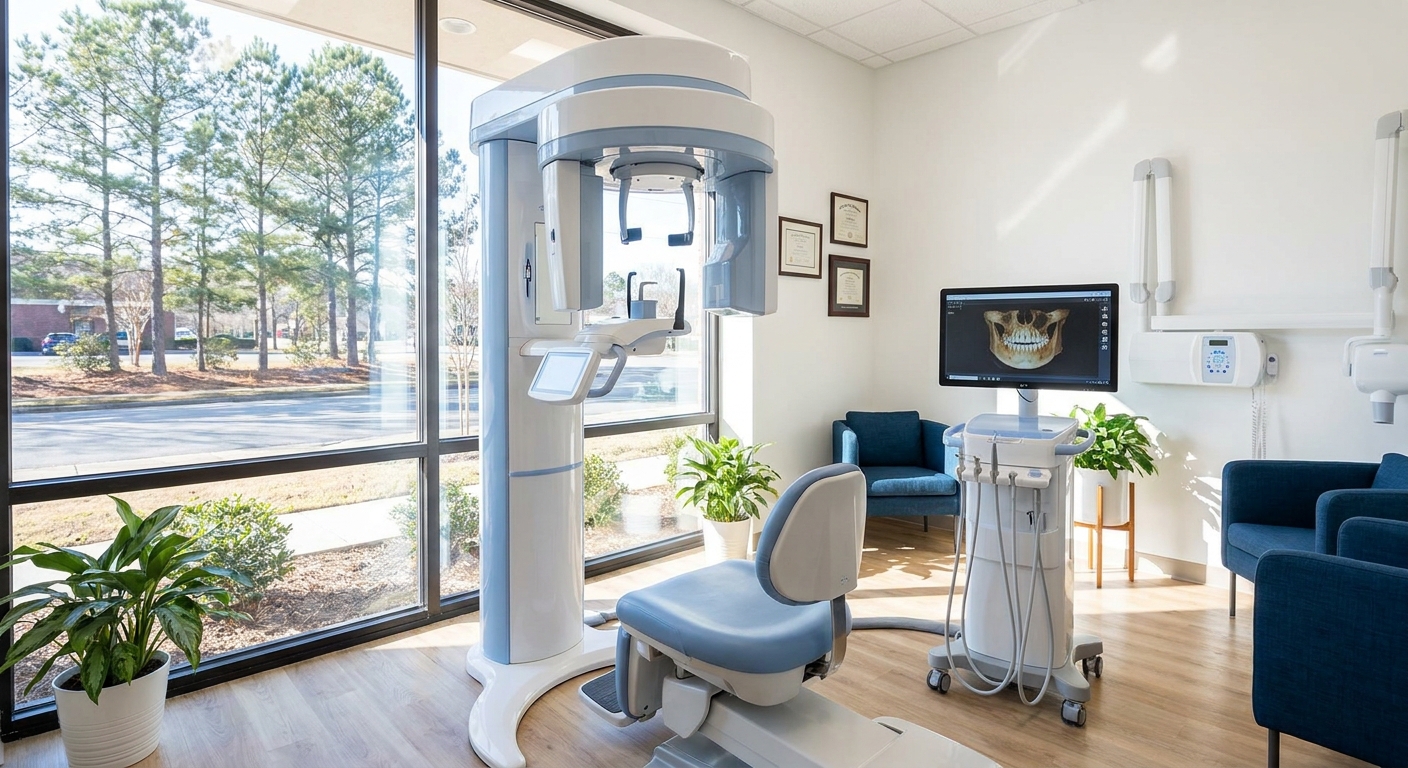
| Cone-beam CT | Gives 3D view of bone, roots, and canals | Higher radiation, more detail |
These images help confirm tears, hidden caries, abscesses, and bone loss, guiding precise treatment planning.
Specialized tests
If X-rays and exams don’t pinpoint the issue, your dentist may use transillumination to spot cracks or employ thermal and electric pulp tests to gauge nerve vitality. These tests determine whether the pulp is inflamed or necrotic, which influences whether you need a root canal or other therapies.
For a comprehensive tooth pain diagnosis dentist appointment, expect a mix of these methods tailored to your symptoms.
Treatment options overview
Restorative procedures
Minor cavities and enamel defects respond well to tooth-colored fillings or inlays. For small cracks, a bonded composite can reinforce the tooth and seal the flaw. These conservative approaches restore function and comfort without extensive drilling.
If bite pain stems from an old filling, replacement with a properly contoured restoration can eliminate uneven pressure and sensitivity to cold.
Endodontic therapy
When decay or trauma reaches the pulp, root canal treatment cleans and seals the canal system, relieving pain and stopping infection. Modern techniques use rotary instruments and biocompatible sealers to preserve tooth structure and improve long-term success.
If you’ve experienced lingering pain after cold exposure or sharp pain on biting, an endodontic evaluation by a dentist for nerve pain tooth can confirm the need for this procedure.
Periodontal treatment
Gum disease that causes bite-related sensitivity often requires scaling and root planing to remove plaque deposits below the gum line. In advanced cases, surgical interventions or grafts may be necessary to rebuild lost tissue and cover exposed roots.
Regular periodontal maintenance keeps gum recession in check and reduces root sensitivity.
Occlusal adjustment
For pain from high crowns, fillings, or bruxism, minor reshaping of biting surfaces (occlusal adjustment) balances your bite forces. Paired with an occlusal guard for night-time grinding, this approach soothes jaw muscles and prevents future cracks.
A precise bite evaluation during a tooth discomfort exam dentist visit ensures lasting relief.
Emergency interventions
If you arrive in severe pain with swelling or signs of infection, your dentist may:
- Prescribe antibiotics to control infection
- Drain an abscess to relieve pressure
- Perform an emergency root canal or pulpectomy
- Temporarily place a sedative dressing
- Extract a nonrestorable tooth to protect your health
These measures prioritize pain relief and infection control before definitive treatment.
At-home relief and prevention
Temporary relief techniques
While you arrange professional care, these methods can ease discomfort:
- Rinse with warm salt water to reduce inflammation
- Apply a cold compress against your cheek for 10-minute intervals
- Use over-the-counter pain relievers like ibuprofen or acetaminophen
- Avoid chewing on the affected side or hard, sticky foods
- Gently brush with a soft-bristled toothbrush and desensitizing toothpaste
These steps offer short-term comfort but do not replace a dental evaluation.
Long-term prevention strategies
Maintaining oral health helps prevent future bite pain:
Brush twice daily with fluoride toothpaste and floss once daily to remove plaque.
Schedule regular cleanings and exams to catch early decay or gum issues.
Wear a night guard if you grind your teeth to protect enamel.
Improve stress-management techniques—like meditation or exercise—to reduce clenching.
Limit sugary snacks and acidic drinks that fuel harmful bacteria.
By combining professional care with diligent home habits, you safeguard your teeth against the problems that cause pain when biting.
If you’re ready to address your discomfort and protect your smile, book a dental pain assessment appointment today. Early evaluation ensures you receive the right diagnosis and targeted treatment before minor aches turn into major emergencies.