When you’re dealing with a persistent toothache, your dentist will guide you through a comprehensive evaluation. A persistent toothache dentist understands that ongoing pain can signal hidden problems beneath the enamel. If you wait too long, minor issues can evolve into infections or structural damage, increasing the complexity of treatment.
Early diagnosis not only relieves your discomfort but also prevents emergency visits and extensive procedures. For unexplained pain, consult an unexplained tooth pain dentist as soon as possible. Persistent toothaches often indicate serious conditions such as cavities, infections, or cracks that will not resolve without professional dental treatment [1].
Recognize serious toothache signs
Unbearable pain and systemic symptoms
If your toothache is accompanied by throbbing that intensifies at night or causes sleeplessness, seek care immediately. When you experience fever, chills, or swelling of the face, it’s likely a dental emergency requiring prompt attention [1].
Such systemic symptoms often accompany abscesses or spreading infections. A dentist for tooth infection symptoms can evaluate whether you need antibiotics or urgent drainage.
Swelling and abscess formation
Visible swelling around the jawline or gums can indicate a pus-filled abscess. You may notice a pimple-like bump on the gum near the painful tooth or feel tenderness when you touch the area.
Abscesses rarely improve on their own and can spread to adjacent tissues or even the bloodstream. If you spot these warning signs, schedule a visit with a dentist for inflamed tooth without delay.
Undergo thorough clinical evaluation
Your dentist will combine your symptoms with clinical tests to pinpoint the source of your pain. This systematic approach ensures that hidden issues such as cracks or early decay do not go unnoticed.
Medical history and symptom review
Your dentist will begin by asking about the onset, duration, and triggers of your discomfort. You’ll discuss any recent dental work, systemic health issues, medications, and lifestyle factors that might contribute to oral pain.
This background helps your practitioner craft a targeted examination and treatment plan. If you haven’t already, book a dental pain assessment appointment to start the process.
Visual and tactile examination
Next, your dentist will inspect your teeth, gums, and bite. You may undergo percussion testing—gentle tapping on teeth—to identify inflamed or necrotic pulp. Probing along the gumline checks for periodontal pockets or abscesses.
A tooth discomfort exam dentist can often detect subtle signs of disease long before you notice them at home.
Diagnostic imaging options
When the clinical exam raises questions, imaging provides a clearer picture. Your dentist may recommend:
| Imaging type | Purpose | Advantage |
|---|---|---|
| Periapical X-ray | Spotlights individual tooth roots | High resolution for fine details |
| Panoramic radiograph | Views entire jaw and sinuses | Broad overview of dental structures |
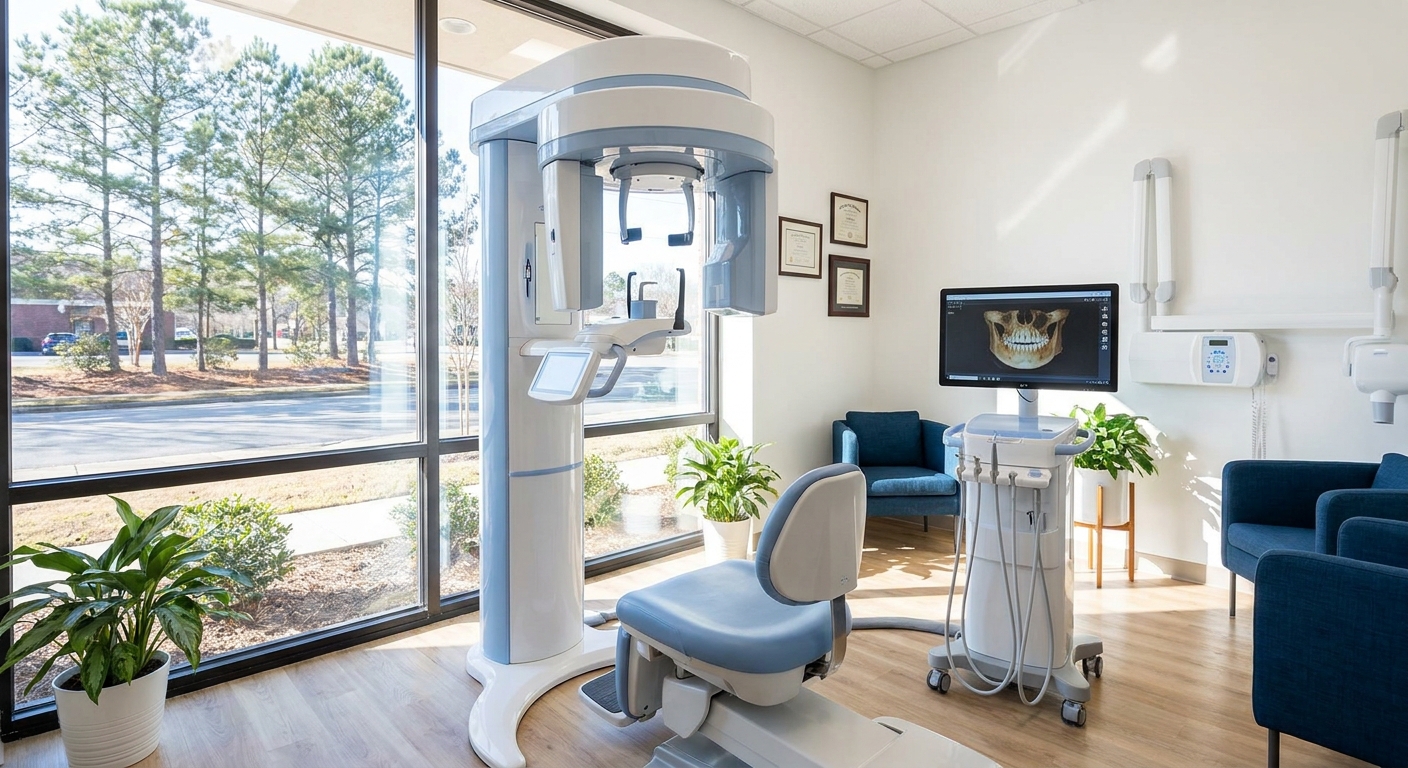
| Cone-beam CT (CBCT) | 3D assessment of bone and canals | Pinpoints fractures and abscesses |
These images uncover hidden decay, root fractures, impacted teeth, and bone loss. Dentists typically rely on X-rays and CBCT scans to select the appropriate treatment, such as fillings, crowns, root canals, or extraction [1].
Explore common underlying causes
Identifying the root cause of your toothache allows for precise interventions. Here are the most frequent culprits.
Tooth decay and cavities
Acids produced when mouth bacteria consume sugars erode enamel, leading to cavities. Untreated decay can progress until it reaches the nerve, causing a persistent, dull ache or sharp pain with temperature changes [2].
For detailed assessments, consider consulting a tooth pain diagnosis dentist who specializes in pinpointing decay-related discomfort.
Gum recession and periodontal issues
Poor oral hygiene can lead to receding gums that expose sensitive dentin and root surfaces. These areas respond painfully to hot, cold, or sweet stimuli and may become entry points for bacteria, triggering gum disease and deeper infections [2].
Chronic periodontal inflammation often requires both non-surgical and surgical therapies to restore gum health.
Cracked or fractured teeth
A crack in your tooth—sometimes invisible to the naked eye—can trap bacteria and cause intermittent pain. You might feel a sharp jolt when you bite certain foods.
Since cracks can extend into the root, it’s essential to see a dentist for possible tooth infection who can assess the integrity of your tooth and recommend bonding, crowns, or extraction.
Bruxism and temporomandibular disorder (TMD)
Grinding or clenching your teeth at night can wear down enamel, create microfractures, and inflame the jaw joint. You may wake up with a sore jaw, headaches, or ear pain in addition to toothache.
A dentist can prescribe custom night guards and stress-management strategies to alleviate bruxism-related pain [2].
Impacted wisdom teeth
When wisdom teeth lack room to emerge properly, they can become partially trapped beneath gum tissue and prone to infection. Food and bacteria collect around the site, causing persistent soreness and swelling.
If you’re in the 18–25 age range and experiencing pain near the back of your mouth, evaluate treatment options with a dentist for possible tooth infection.
Assess pain triggers specifically
Fine-tuning your diagnosis often involves reproducing pain under controlled conditions. Here’s how dentists isolate triggers.
Biting and chewing pain triggers
If biting down on hard foods produces sharp discomfort, it may indicate a crack, loose filling, or fracture.
When you feel pain on chewing or biting, consult a pain when biting tooth dentist or a tooth pain when chewing dentist to explore the underlying issue.
Pressure sensitivity testing
Dentists use controlled pressure along different tooth surfaces to determine if the pulp is inflamed or dying. Localized tenderness under finger pressure can pinpoint the exact tooth causing pain.
A pressure pain tooth dentist specializes in these nuanced examinations.
Thermal sensitivity and lingering pain
Cold and hot stimuli help distinguish between reversible and irreversible pulpitis. A brief twinge that subsides quickly usually indicates mild inflammation. In contrast, lingering ache after the stimulus is removed suggests deeper pulp involvement.
For focused evaluation, see a sensitivity pain dentist evaluation or a lingering tooth pain evaluation.
Nerve-related discomfort and jaw pain
Sharp electric shocks or radiating pain into the jaw, ear, or neck often reflect nerve irritation. Conditions like pulpitis, a dying nerve, or trigeminal neuralgia can manifest in this way.
If you suspect nerve pain, connect with a dentist for nerve pain tooth or a jaw pain related to tooth dentist for a thorough assessment.
Implement temporary relief measures
Although these steps can ease your discomfort, they do not replace professional treatment:
- Over-the-counter pain relievers such as acetaminophen or ibuprofen help manage severe aches [1].
- Warm saltwater rinses reduce inflammation and clear bacteria from the area [1].
- Cold compresses applied to the cheek can numb pain and decrease swelling.
- Desensitizing toothpaste with potassium nitrate or strontium chloride blocks nerve signals, as recommended by Thomas Blake DDS [3].
- Gentle flossing and soft-bristled brushing remove trapped food particles without irritating sensitive gums.
Avoid benzocaine-containing gels or pastes, since benzocaine has been linked to a rare blood disorder called methemoglobinemia [4].
These remedies should be viewed as short-term relief. If pain persists beyond 24 to 48 hours, schedule an appointment with a dentist for chronic tooth pain.
Plan definitive treatment options
Once the source of your pain is confirmed, your dentist will develop a tailored plan:
Restorative care and crowns
For decay or structural compromise, your dentist may remove diseased enamel and place a filling or inlay. When a large portion of the tooth is weakened, a crown restores strength and function.
Root canal therapy and extractions
If infection reaches the pulp, root canal treatment cleans and seals the canal to preserve the tooth. In cases of severe damage or impaction, extraction may be the safest option.
Dentists select these procedures based on imaging and clinical findings, ensuring long-term relief [1].
Periodontal and orthodontic interventions
Gum disease treatment can range from deep cleanings to surgical grafts, depending on severity. Orthodontic adjustments or night guards may be recommended to correct bite issues that contribute to recurring pain.
Prevent future dental pain
Preventing persistent toothaches centers on routine care and early intervention. Brush twice daily with fluoride toothpaste, floss at least once, and limit sugary or acidic foods. Schedule professional cleanings and exams every six months—or sooner if you have risk factors for decay or gum disease.
When discomfort returns or you notice new symptoms, don’t wait. A dentist for ongoing tooth pain can catch problems early, saving you time, money, and unnecessary discomfort. Consistent follow-up and proactive care keep your teeth healthy and pain-free for years to come.