Understand preventive dental exam appointment
When you schedule a preventive dental exam appointment, you’re taking an essential step toward keeping your smile healthy for years to come. This appointment goes beyond a quick glance at your teeth and gums, it’s a thorough evaluation designed to catch small issues before they require extensive treatment [1].
Your dentist may refer to this visit as a comprehensive dental evaluation or a complete oral health exam. Regardless of the terminology, the goal remains the same: to establish a clear baseline of your current oral condition. During this appointment, your dental team will review your medical history, examine your bite alignment and inspect soft tissues for any signs of disease. Establishing this foundation ensures that future treatments and routine cleanings are truly personalized to your needs.
Appointment purpose
A preventive dental exam appointment serves as a comprehensive health check for your mouth. It identifies early warning signs such as incipient decay, gum inflammation and enamel erosion before they escalate. Your practitioner not only examines current concerns but also evaluates emerging issues like tooth wear from bruxism or oral habits that could lead to future complications. By combining visual inspection, diagnostic imaging and periodontal assessment, the appointment offers a multi-dimensional view of your oral health. This broad scope is what distinguishes a preventive exam from a simple cleaning or a visit prompted by pain.
Mapping your care roadmap
Information gathered during your exam lays the groundwork for a detailed care roadmap. If you require follow-up treatments, such as cavity fillings or periodontal therapy, your dentist will schedule these procedures at appropriate intervals to maintain continuity of care. For patients with complex needs—like those undergoing orthodontic treatment or planning dental implants—this roadmap often involves coordination with specialists. Regular reassessment appointments are then slotted into your calendar to track healing, adjust maintenance routines and update preventive strategies. Ultimately, this strategic approach keeps minor concerns in check and reduces the likelihood of unexpected dental emergencies.
First visit experience
When you arrive for your first dental visit appointment, the front desk will guide you through any necessary forms and health history updates. You’ll have the opportunity to discuss any concerns, from tooth sensitivity to past restoration work. This initial conversation helps your dentist and hygienist tailor the exam to your individual needs.
Medical history and imaging
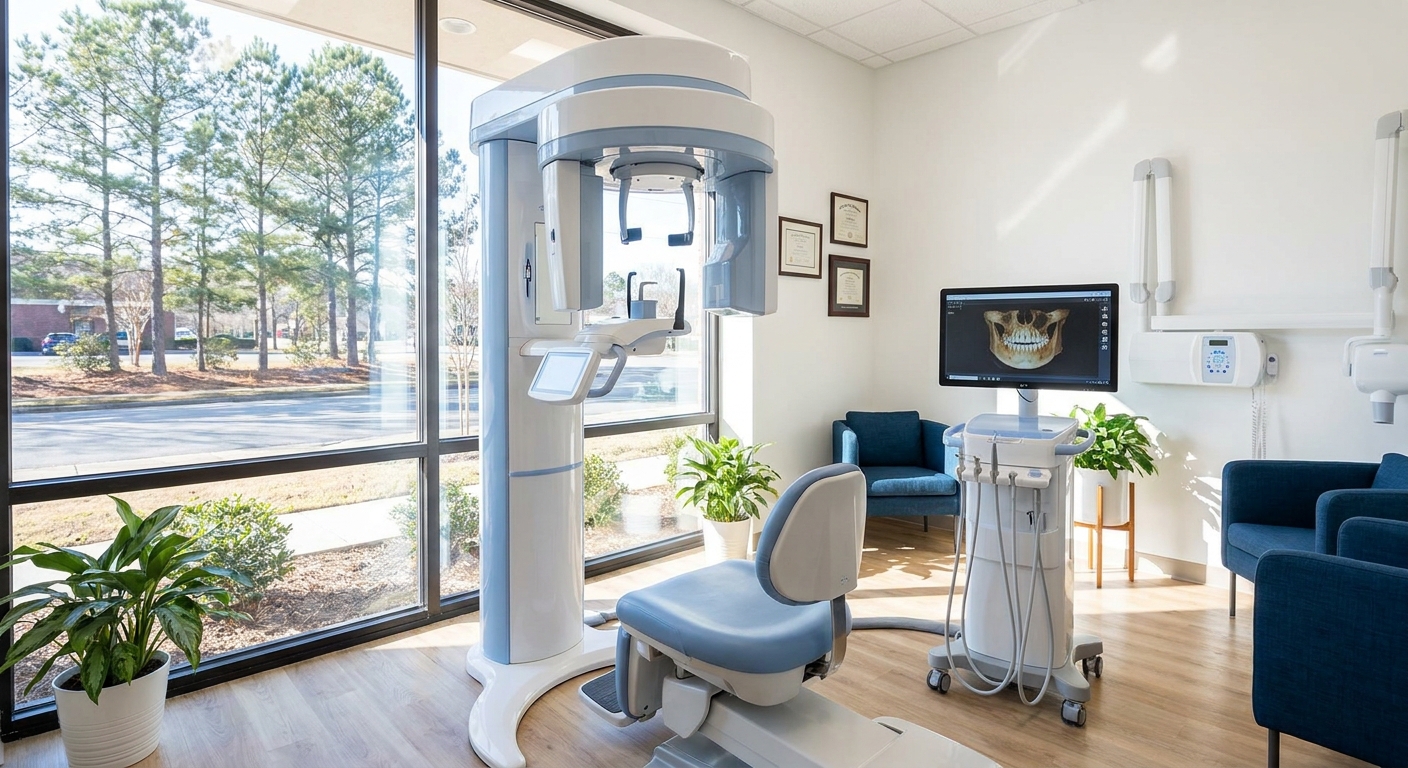
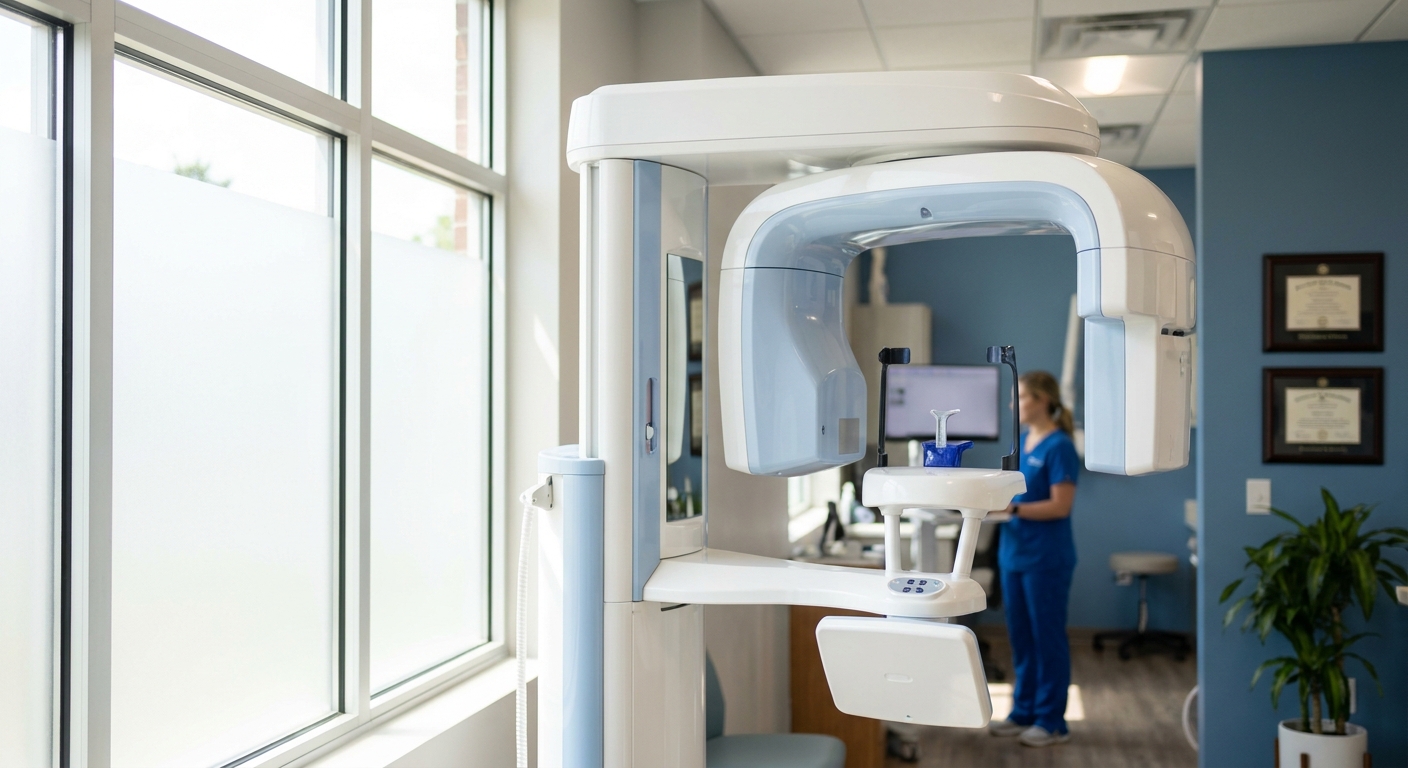
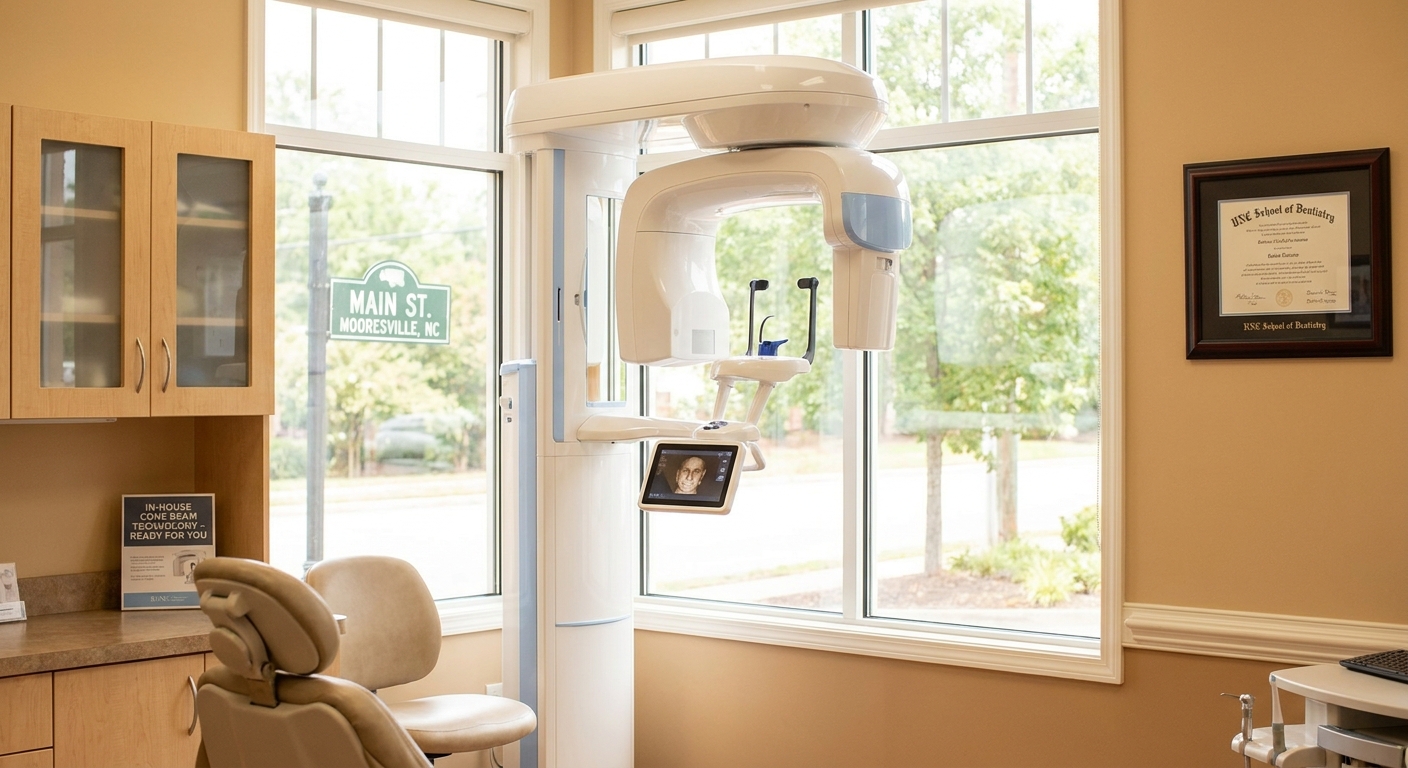
Your medical history offers crucial context for oral care. If you’re taking medications such as blood thinners or have conditions like diabetes, these factors can influence gum health and healing. During this stage, digital imaging techniques—like bitewing X-rays or panoramic radiographs—provide detailed views of areas hidden from the naked eye, such as between your teeth and below the gumline. In some practices, a cone beam CT scan may be used to evaluate bone structure before implant planning or complex treatments. These images serve as a permanent record, allowing your dentist to monitor changes over time. Modern digital sensors use minimal radiation and deliver high-resolution results in seconds.
Clinical examination
Next, your dentist performs a hands-on clinical examination. Using a small mirror and a periodontal probe, they will inspect every tooth surface for signs of decay, check for loose fillings and measure pocket depths around your gums. By testing your bite alignment and jaw motion, the dentist can uncover TMJ issues or abnormal tooth wear. Soft tissues—lips, cheeks, tongue and throat—are also evaluated for sores, lesions or areas of inflammation. This systematic approach ensures that no detail is overlooked during your new patient dental visit. Your dentist may also assess functional habits, like teeth grinding or tongue thrusting, which can influence both tooth wear and jaw alignment.
Cleaning and treatment plan
Once the exam is complete, a dental hygienist will provide a professional cleaning to remove plaque and hardened tartar that regular brushing can’t address. Depending on your risk factors, this process may include ultrasonic scaling and hand instrumentation to target buildup below the gumline. Following the cleaning, the hygienist will polish your teeth and may recommend fluoride varnish or sealants to strengthen enamel. Afterward, your dentist reviews the findings, discussing any areas of concern such as early decay, gum inflammation or enamel erosion. Together, you will establish next steps—whether that means scheduling a routine dental checkup, planning restorative work or beginning periodontal therapy. Before you leave, the hygienist often demonstrates personalized brushing and flossing techniques, recommending products tailored to your gum and enamel needs.
Detecting early issues
Your preventive dental exam appointment is not just a look but a strategic defense against future problems. During a regular dental checkup, your dentist performs an oral exam to check for signs of decay, gum disease, abnormal tooth wear and soft tissue diseases including oral cancers [2]. By catching issues at their earliest stages, you can avoid more invasive procedures down the road.
Cavity detection
Cavities often begin as microscopic demineralization spots on tooth surfaces that are invisible to the naked eye. Your dentist uses visual inspection alongside digital X-rays to pinpoint areas where enamel has started to break down. A dental explorer tool also helps detect soft spots or stickiness in pits and fissures, which indicates decay beneath the surface. Early lesions can sometimes be reversed with remineralization protocols—fluoride treatments, prescription rinses or tailored at-home regimens—avoiding the need for a filling. In some offices, advanced tools like DIAGNOdent lasers provide quantitative readings to identify demineralization even earlier. When decay progresses, prompt treatment prevents larger restorations and preserves more of your natural tooth.
Gum disease screening
Gum disease, or periodontal disease, develops when harmful bacteria hide below the gumline and trigger inflammation of the supporting tissues. To screen for this condition, your dentist or hygienist measures the depth of gum pockets around each tooth. Pockets greater than three millimeters can indicate early gingivitis or more advanced periodontitis. Additional tests, like detecting bleeding on probing or assessing gum recession, guide recommendations for scaling and root planing or more intensive periodontal therapy. Additionally, some practices use saliva testing kits to identify specific bacteria levels, guiding targeted treatment plans. By identifying gum disease early, you protect both your jawbone and systemic health.
Oral cancer checks
An often-overlooked aspect of your exam is oral cancer screening. Your dentist visually inspects the tissues inside your cheeks, lips, tongue and throat for sores or color changes that could signal malignancy. In some practices, adjunctive tools like VELscope or toluidine blue staining improve detection of abnormal cells. If the dentist spots any suspicious areas, they may perform a gentle biopsy or refer you to an oral surgeon for additional evaluation. Early detection of oral cancer dramatically improves treatment outcomes and survival rates.
Benefits for overall health
A healthy mouth supports a healthy body, making your preventive dental exam appointment one of the best investments you can make. Consistent checkups and cleanings do more than preserve enamel, they can also enhance your general well-being.
Oral-systemic connection
In recent decades, research has revealed a strong connection between oral health and systemic conditions. Inflammation from periodontal disease can contribute to clogged arteries, increasing the risk of heart attack or stroke. Poor oral hygiene has also been linked to poorer blood sugar control in people with diabetes, making preventive exams an integral part of disease management. Studies further suggest that bacteria from the mouth may travel to the lungs, exacerbating respiratory infections. By maintaining gum health through regular professional care, you lower the chances of these systemic complications. Your dental team can also offer personalized advice on how diet and home care habits influence both oral and overall health.
Cost savings and peace of mind
Routine preventive dental exams can save you significant time and money over a lifetime. Most dental insurance plans cover preventive services—such as oral exams, X-rays and cleanings—at no cost to you, with minimal or no deductibles or co-pays [2]. By addressing minor issues early, you avoid the expense of large restorations like crowns, root canals or extractions. Even if you lack insurance, preventive care appointments are more affordable than restorative treatments. More importantly, knowing your mouth is free of hidden problems gives you lasting peace of mind. This proactive approach helps you focus on life without fearing unexpected dental emergencies.
Confidence and social impact
A healthy smile can boost your confidence in both personal and professional settings. Feeling secure about fresh, stain-free teeth encourages open social interactions and positive first impressions. Preventive exams often include advice on cosmetic concerns like whitening or minor alignment tweaks, giving you clarity on options early on. Addressing small aesthetic issues before they become pronounced saves time and expense in the long run. Investing in preventive care reinforces a positive self-image and motivates you to maintain healthy habits at home. Over time, this ripple effect extends beyond oral health into overall well-being.
Frequency of preventive exams
How often you should schedule a preventive dental exam appointment depends on your individual needs and risk factors. While twice-a-year visits are a common guideline, personal health history, lifestyle habits and genetic predispositions can shift that timeline. A risk-based approach ensures you receive the right level of care at the right time. For some, more frequent checkups may be necessary to maintain optimal health.
| Risk category | Recommended interval |
|---|---|
| High risk (gum disease, diabetes, pregnancy) | Every 3–4 months |
| Typical oral health | Every 6 months |
| Low risk (excellent hygiene, no history) | Every 12–24 months |
The American Dental Association recommends that most people visit the dentist for a preventive dental exam and cleaning twice a year, but exact frequency should be tailored to individual factors [3].
Adjusting your schedule
If you have active gum disease or other risk factors, your dentist may suggest more frequent visits to monitor progress and reinforce preventive therapies. Conversely, patients with strong home care routines and minimal history of decay may safely extend intervals. Regular reassessment ensures that changes in your health, medications or lifestyle are reflected in your dental schedule. Your dental team can help you determine when to return based on clinical findings and personal preferences.
Special considerations
Life events and health conditions may require adjustments to the standard exam schedule. Pregnant patients, for example, benefit from more frequent cleanings to reduce pregnancy gingivitis risk. Individuals managing chronic diseases like diabetes or autoimmune disorders may also need tighter monitoring to control inflammation and healing outcomes. Smokers tend to develop periodontal issues more rapidly and often require three- to four-month intervals between visits. Seniors may face age-related dry mouth or root exposure that calls for closer evaluation. Having an open dialogue with your dentist ensures you receive a personalized plan that aligns with these special circumstances.
Preparing for your appointment
Gather your information
Before your preventive dental exam appointment, gather any updates to your health history and medication list. Conditions like diabetes, heart disease or pregnancy can alter treatment recommendations and scheduling [4]. Note any oral symptoms—such as bleeding gums, tooth pain or sensitivity—that you’ve experienced since your last exam. Writing down questions in advance ensures you won’t forget to ask about techniques, products or potential treatments. This preparation allows your dentist to address all your concerns efficiently during your visit. If you use home devices like oral irrigators or electric toothbrushes, bring them along for demonstration.
Day-of checklist
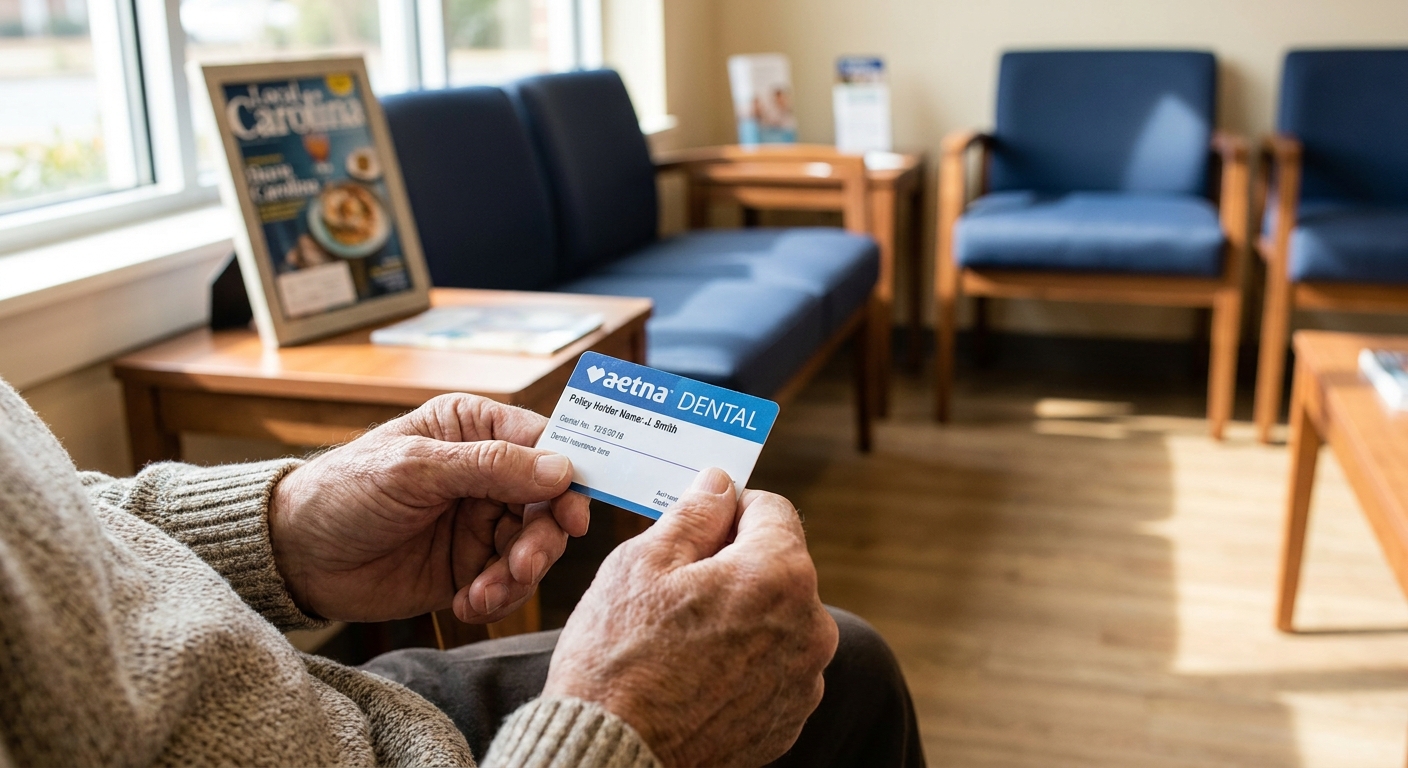
On the day of your appointment, brush and floss as you normally would, without overdoing it, to avoid irritating sensitive areas [5]. Bring your insurance card, any referral paperwork and a list of current supplements or vitamins. Arrive at least five minutes early to complete any remaining paperwork and settle in. If anxiety is a concern, let the front desk know so they can provide a calming environment. Being organized on day one paves the way for a smooth, stress-free exam experience. Dress comfortably and avoid strong fragrances that might bother other patients.
Insurance and payment
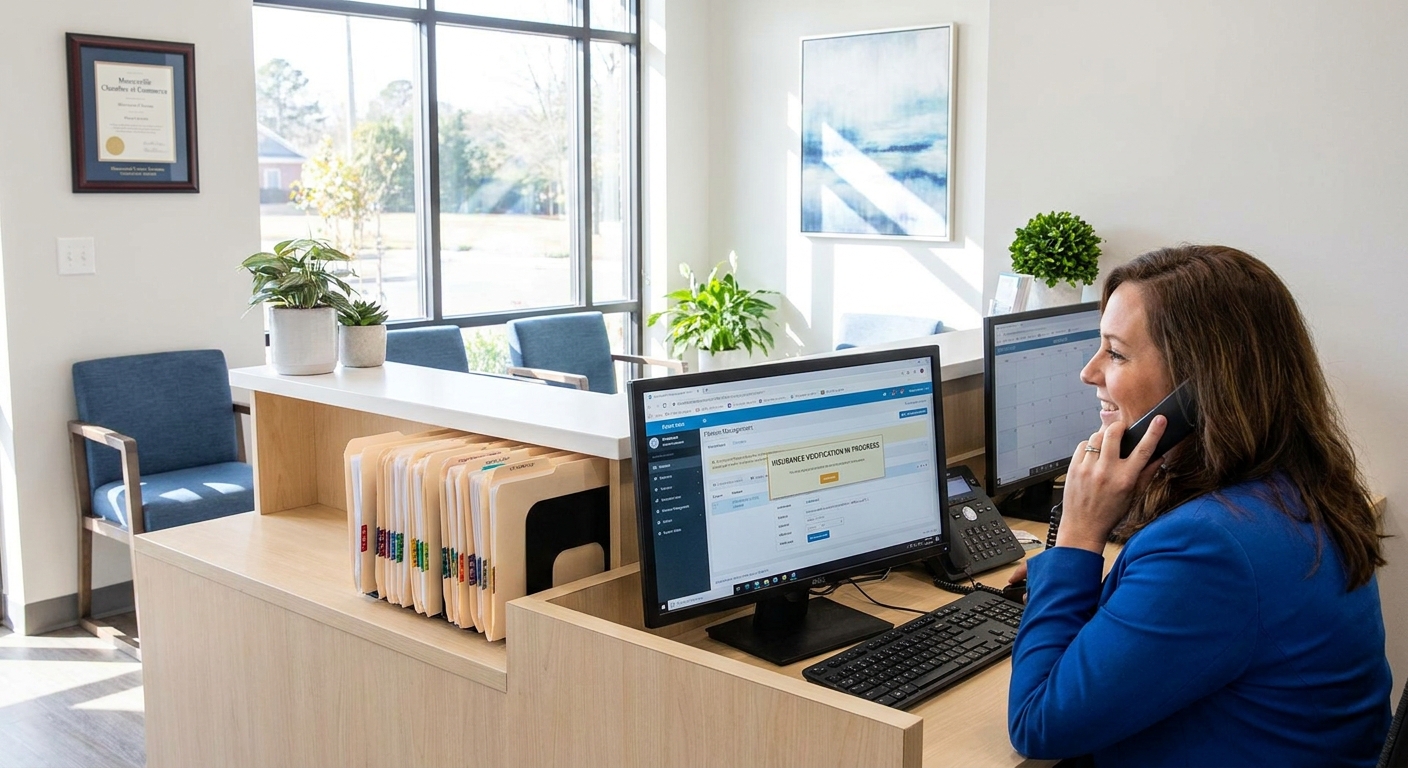
Understanding your insurance coverage can remove surprises at checkout. Many plans cover preventive exams fully, but some may limit the number of visits or require co-pays for X-rays [6]. Confirming benefits before your exam helps you budget for any out-of-pocket costs. If you do not have insurance, ask your office about financing options or wellness plans that bundle preventive visits at discounted rates. CareCredit and similar programs can spread payments over time without high interest, making comprehensive exams more accessible. Clear communication with your dental team about fees and payment methods ensures you focus on care, not costs.
Schedule your exam
Finding the right provider
Locating a dentist who fits your needs is key to a positive experience. Look for practices that emphasize preventive care and accept new adult patients [7]. Reading patient reviews and checking credentials can help you find a team with the right expertise and atmosphere. A friendly front office and flexible appointments set the tone for lasting care.
Booking tips
When you’re ready to book, inquire about online scheduling tools or new-patient specials that streamline the process. Many offices allow you to schedule dental exam today with just a few clicks, often in less than two minutes. If you prefer a personal touch, calling the office directly lets you ask about evening or weekend availability. Be sure to mention if you have dental insurance or need a time slot that accommodates children or work commitments. Confirm any parking or check-in procedures ahead of time. Securing your preventive dental exam appointment now prevents delays and keeps your smile on track.
Understanding new patient process
Most dental practices have a streamlined process for new patients, including a quick online form or phone screening. During this step, staff gather essential details—medical history, insurance information and preferred appointment times. Bringing any recent X-rays or dental records can shorten the diagnostic portion of your first visit. In-office welcome kits often include patient portals for viewing images and treatment summaries at your convenience. Some offices offer virtual consultations as a precursor to your in-person exam, giving you a chance to meet your dentist and ask questions beforehand. Familiarizing yourself with these processes reduces anxiety and ensures your preventive dental exam appointment begins on the right foot.