Understand tooth loss consequences
When you lose one or more teeth, your body reacts immediately. Surrounding teeth can shift into the empty space, affecting your bite alignment and stability. Over time, this shift may cause abnormal wear on your remaining teeth and increase the risk of jaw joint stress dentist for bite collapse from missing teeth. Without intervention, these changes can lead to difficulty chewing, uneven force distribution, and discomfort in your temporomandibular joint.
Missing teeth also trigger bone resorption in the jaw. Without the stimulation that tooth roots provide during chewing, the underlying bone begins to deteriorate, thinning in width or height and altering your facial structure. This process not only compromises your oral stability but can also affect your appearance and self-confidence over time.
Functionally, gaps in your smile impact your ability to bite into foods like apples or crisp vegetables, reducing chewing efficiency and potentially causing digestive discomfort. You may unconsciously favor one side of your mouth, creating muscle imbalance and soreness in your cheeks and neck. Recognizing these consequences early helps you plan for timely replacement and protects both your oral health and quality of life missing tooth evaluation dentist.
Evaluate bite and bone health
Before deciding on any replacement, your dentist will conduct a comprehensive examination to assess the readiness of your mouth for treatment. This evaluation typically covers bite stability, bone volume, gum health, and jaw function—critical factors in planning a durable solution evaluation for tooth replacement.
Key evaluation factors include:
- Bite stability and occlusion
- Bone volume and density at the extraction site
- Gum tissue health and pocket depth
- Temporomandibular joint function
- Overall health and relevant medical history
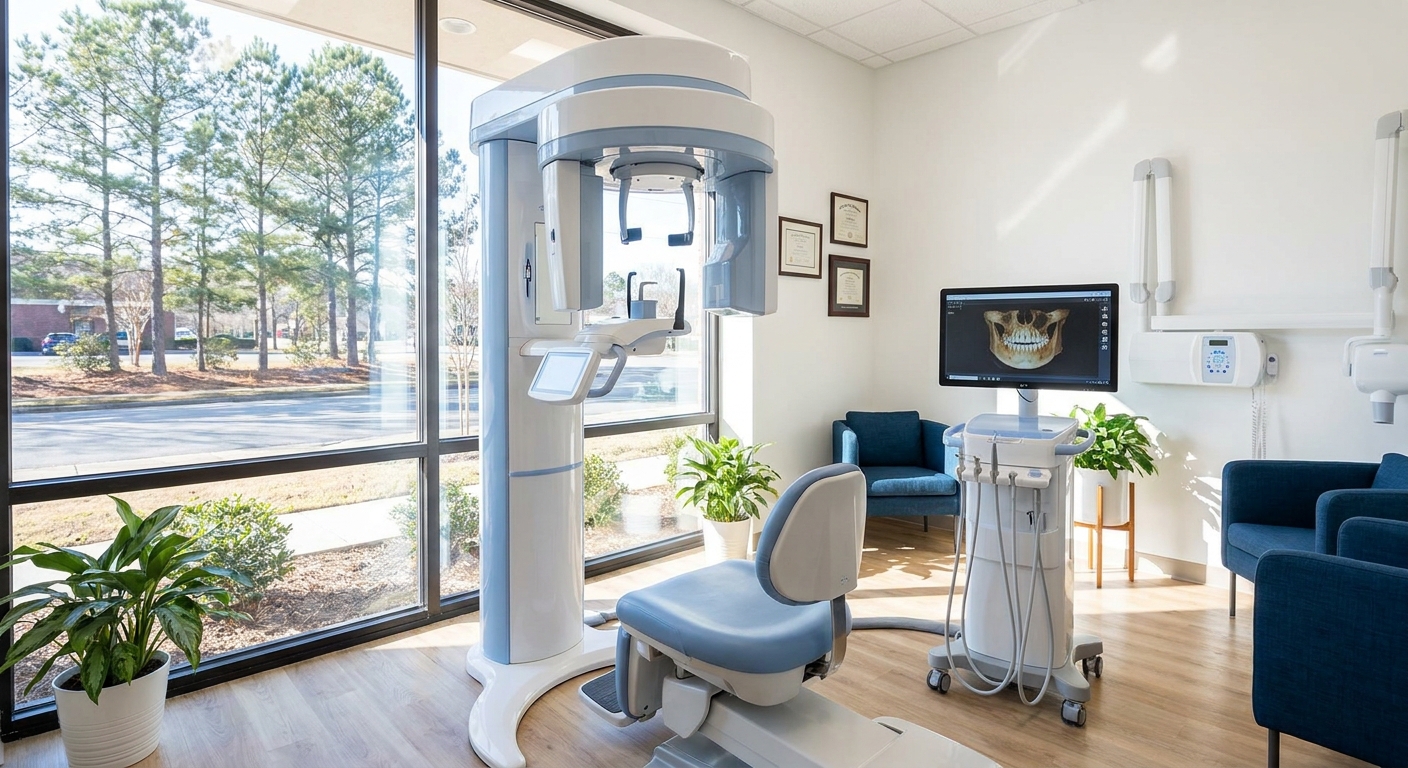
Three-dimensional imaging such as cone beam computed tomography reveals bone contours and tooth positioning, showing whether you have sufficient bone for implant posts or if bone augmentation is necessary. Bone grafting using your own bone, donor bone, or synthetic materials stimulates healthy bone growth and prepares the site for future implants [1].
If gum disease or periodontal concerns exist, those conditions must be addressed before pursuing surgical procedures. Healthy gums are essential for both implants and bridges, reducing the risk of complications. Should your bite exhibit signs of clenching or grinding, occlusal adjustments or a custom night guard can help protect natural and restored teeth dentist for long term tooth replacement.
Your dentist may also consider speech, aesthetics, and your personal goals to ensure the replacement plan aligns with your lifestyle. A thorough missing teeth dental evaluation gives you confidence as you move forward with tooth replacement.
Explore implant-based solutions
Dental implants often provide the most permanent solution for missing teeth. By integrating a titanium post into your jawbone—a process called osseointegration—implants mimic natural tooth roots, preserve bone structure, and deliver stable support for prosthetic crowns, bridges, or dentures. Choosing the right implant type depends on your bone health, the number of missing teeth, and your overall treatment objectives functional tooth replacement dentist.
Compare implant types
| Implant type | Description | Ideal for | Citation |
|---|---|---|---|
| Root-form (endosteal) | Titanium screw placed into jawbone to support crowns, bridges, or dentures with high success rates | Single-to-multiple tooth replacement | [2] |
| Subperiosteal | Metal framework resting on jawbone under gum, used when bone height is insufficient for deep implants | Shallow bone without grafting | [2] |
| Zygomatic | Longer implants anchored in cheekbone for patients with severe upper jaw bone loss | Complex reconstructions | [2] |
| Mini dental implants | Narrower diameter posts that require less bone and allow immediate fastening | Stabilizing dentures or narrow gaps | [2] |
| All-on-4 full-arch system | Four strategically placed implants support a fixed denture arch, often with same-day provisional teeth | Full-arch fixed dentures | [2] |
If your natural bone is insufficient, bone augmentation or sinus lift procedures can rebuild deficient areas and secure optimal implant placement. These preparatory surgeries enhance your candidacy for traditional implants and improve long-term stability.
Implant-based solutions fuse with your bone, offering a bite force close to that of natural teeth. With proper hygiene and regular check-ups, success rates for endosteal implants range between 90 and 95 percent over ten years [1].
Consider bridge and denture options
If you prefer non-surgical or less invasive methods, bridges and dentures remain reliable tooth replacement choices. Both approaches restore chewing function, close gaps, and enhance aesthetics, but they differ in how they distribute forces and connect to your existing teeth.
Bridge options
Fixed bridges replace one or more missing teeth by anchoring prosthetic teeth to adjacent natural teeth or implants. Traditional bridges require crowns on the neighboring teeth, effectively “bridging” the gap with a pontic in between. While quicker than implants and avoiding surgery, bridges rely on healthy supporting teeth and generally last five to fifteen years with diligent care.
Resin-retained bridges, sometimes called Maryland bridges, bond a pontic to metal or ceramic wings affixed to the back of adjacent teeth. This minimally invasive approach preserves enamel but offers less strength under heavy chewing pressure, making it best suited for front teeth replacement [3].
Denture options
Removable partial dentures feature a cast metal or acrylic framework that clasps onto your natural teeth, filling one or multiple gaps at a relatively low cost. Though less stable than fixed solutions, their adjustability makes them a popular interim choice. They can feel bulky initially and may need periodic relining as your jawbone changes [3].
Complete dentures restore all teeth in an arch and depend on suction and adhesives for stability. Skilled fabrication yields a natural appearance, yet you may experience slippage or sore spots until you adapt. Unlike implants, dentures do not prevent bone loss and should be removed nightly to let your gums rest [3].
For enhanced stability, snap-in dentures combine implants with a removable prosthesis that snaps onto two to four implant posts. This hybrid solution boosts chewing efficiency, reduces movement, and simplifies daily cleaning [4]. To tailor your bridge and denture approach to your goals, consult a dentist for smile restoration planning who can guide you toward options for multiple missing teeth dentist for multiple missing teeth.
Plan long-term tooth replacement
Regardless of the option you choose, planning for maintenance and longevity is crucial. Discuss these elements during your tooth loss treatment consultation with your dental professional dentist for tooth loss treatment.
Timing and staging
Your dentist may sequence treatments to allow healing between procedures. For example, you might undergo bone grafting first, followed by implant placement several months later. A phased approach ensures site readiness and reduces surgical risk.
Maintenance requirements
Understand the daily and professional care each solution demands. Implants require regular brushing and flossing around posts and occasional x-rays. Bridges and dentures need periodic adjustments, relines, or replacements over time.
Budget considerations
Treatment costs vary widely. Single implants may range from $1,600 to $2,200 per tooth, while complete dentures average around $1,600 per arch [5]. All-on-4 full-arch implants carry higher upfront costs but can deliver long-term savings by avoiding repeated denture adjustments [6].
Lifestyle and comfort
Reflect on factors like aesthetics, diet, speech, and ease of cleaning. If you lead an active lifestyle or need a permanent fixed restoration, implants or implant-supported bridges may suit you best. When you prioritize minimal invasiveness or budget constraints, conventional bridges and dentures offer effective alternatives dentist for long term tooth replacement.
Consult your dentist
The first step toward restoring your smile is a personalized consultation. During this visit, share your medical history, aesthetic goals, and functional concerns so your dentist can tailor a treatment plan dentist consultation for tooth loss. Ask about treatment alternatives, recovery timelines, and financing or insurance options.
Your dentist will guide you through an assessment for missing teeth, recommend appropriate imaging studies, and review potential next steps in detail tooth replacement consultation dentist. Clear communication ensures you understand each phase of treatment, from preparation and surgery to final restoration and maintenance.
Early evaluation and informed decision making safeguard your oral health and help you preserve function, confidence, and quality of life. Reach out to your dental professional today and take the decisive steps toward a renewed smile dentist for missing teeth.