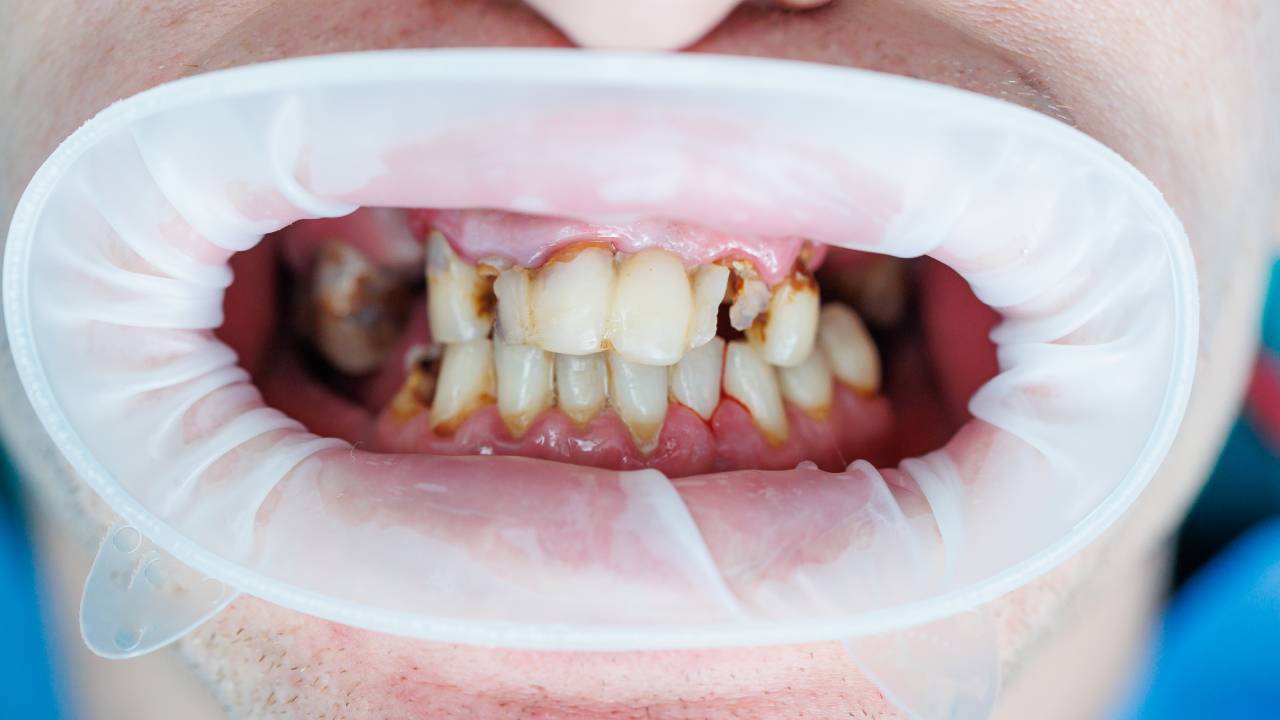
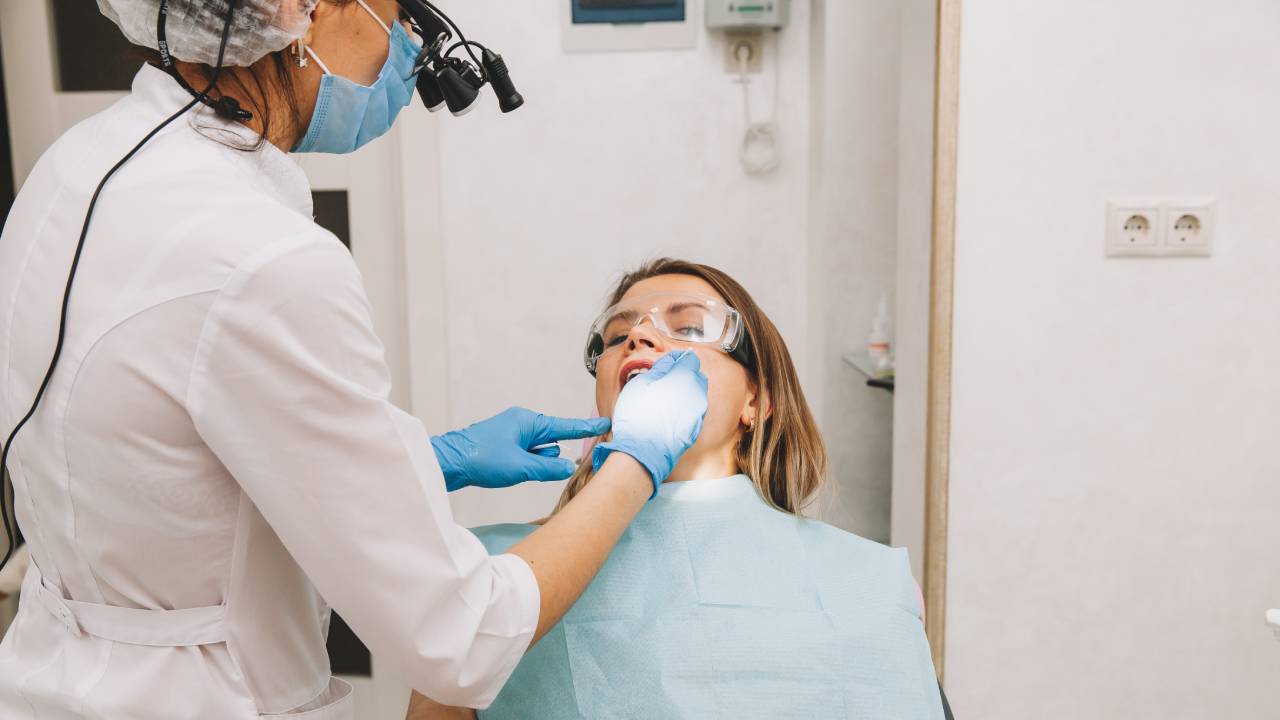
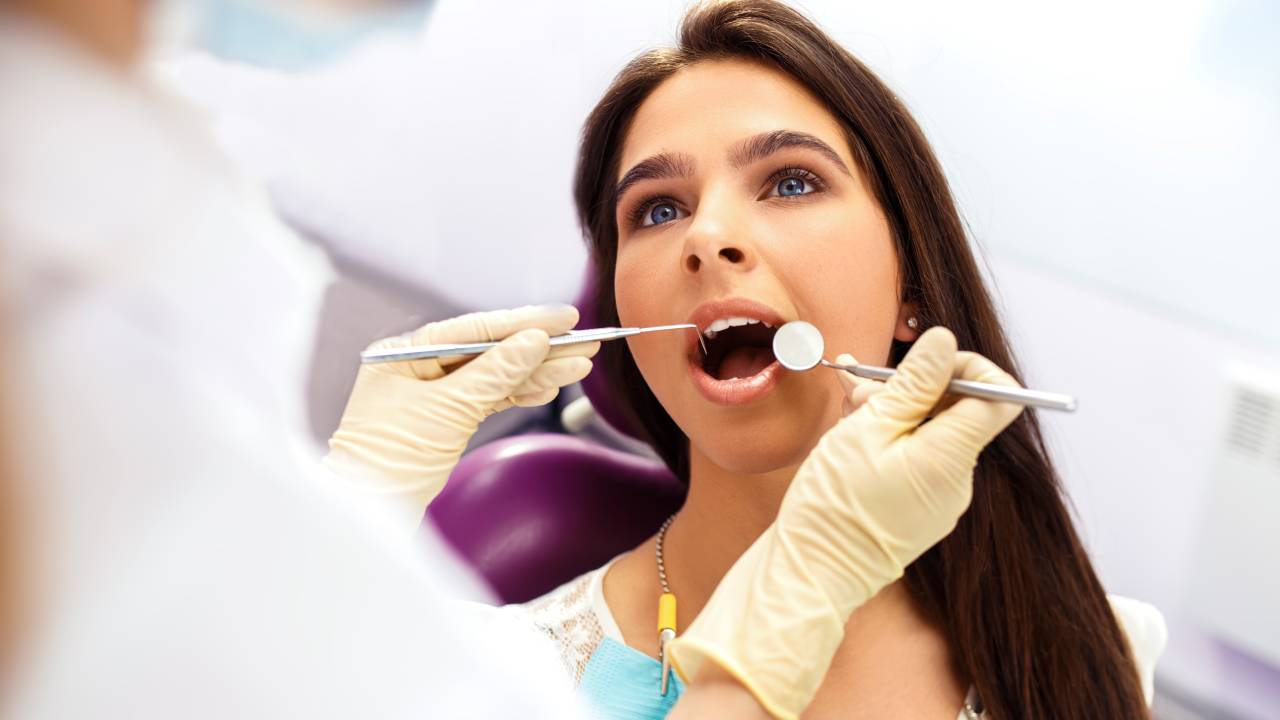
Your routine dental checkup appointment is more than a twice-annual chore. It’s a comprehensive review of your oral health, a chance to catch emerging issues before they become complex, and an opportunity to reinforce preventive habits. Whether you haven’t seen a dentist in years or you’re establishing care with a new practice, a thorough exam is the foundation of lasting dental wellness. In the first paragraphs of your visit, your dentist establishes a baseline for your teeth, gums, bite, and overall oral structures, setting the stage for personalized care moving forward.
By prioritizing a routine dental checkup appointment, you invest in long-term comfort, function, and confidence. Early detection often saves you time, money, and discomfort—and it reduces the likelihood of invasive treatments down the road. In this article, you’ll learn what makes a routine checkup so essential, how to prepare, what to expect, and why follow-up is as important as the visit itself.
Importance of routine dental checkup appointment
Regular checkups are your front line against tooth decay, gum disease, and oral cancer. When you attend every six months, or as recommended for your risk level, your dentist can spot tiny cavities, monitor gum health, and screen for abnormalities that you might never detect on your own. These preventive visits save you from the higher costs, longer appointments, and greater discomfort of fillings that grow into root canals or untreated gum infections that lead to tooth loss.
Routine exams also uncover systemic health concerns. Studies show links between periodontal disease and conditions such as diabetes, heart disease, and stroke. A dentist who notices inflamed gums, dry mouth, or unusual lesions may prompt a medical referral—potentially catching non-dental issues before they escalate. By thinking of your checkup as a gateway to whole-body health, you acknowledge its broader value beyond pearly whites.
Furthermore, these visits reinforce positive oral habits. When a hygienist polishes your teeth and demonstrates proper flossing or brushing techniques, you leave with clear, actionable advice tailored to your habits and anatomy. Over time, this guidance helps you refine your home care routine, reducing plaque buildup and sensitivity and supporting the longevity of any previous dental work.
If you’re searching for a place to begin or reset your oral care journey, consider scheduling a first dental visit appointment. Whether you’re new to a practice or reconnecting after a hiatus, this initial step provides the insights necessary for a customized plan.
Preparing for your checkup appointment
A little preparation ensures you get the most out of your visit. When you arrive organized, your dental team can focus on your care rather than chasing paperwork. Aim to complete these tasks at least a day in advance:
- Confirm your appointment time, location, and any insurance or payment details with the front desk to avoid last-minute confusion
- Gather essential documents including your insurance card, a list of current medications, and any medical or dental history forms you’ve been asked to complete
- Brush and floss thoroughly before you come, which not only helps the hygienist but also shows your dentist where you may need extra support
- Write down questions, concerns, or specific symptoms you’ve noticed—whether it’s tooth sensitivity, bleeding gums, or jaw discomfort
- Communicate any dental anxiety or past negative experiences so the team can discuss relaxation strategies or sedation options in advance [1]
By tackling these steps early, you reduce stress on appointment day. Plus, your hygienist can dedicate more time to cleaning and education rather than chasing missing forms.
If this is your first time with a new provider, let them know when you book so they can schedule an appropriate initial dental consultation slot, which typically allows extra time for reviewing your history and concerns.
What happens during your checkup
Your routine dental checkup appointment generally spans 45 to 60 minutes, though it may vary based on how long it’s been since your last visit or the complexity of your case [2]. Most practices divide the visit into two main phases: professional teeth cleaning and a comprehensive dental exam.
Professional teeth cleaning
A licensed dental hygienist begins by using specialized instruments to gently remove plaque and hardened tartar from above and below the gumline. This process reduces inflammation and helps prevent gum recession. Next, they floss between each tooth to clear debris you might have missed at home, then polish your enamel with a gritty toothpaste and low-speed brush to smooth out surface stains.
Many hygienists finish the cleaning with a fluoride treatment. Fluoride paste or gel is applied via a soft tray for a few minutes to strengthen enamel and enhance cavity resistance. While you sit back and relax, this step seals out demineralization and supports remineralization of microscopic enamel pores [3].
This cleaning phase not only refreshes your smile but also allows the hygienist to assess areas of concern—tight spots, bleeding gums, or early signs of decay—and relay them to your dentist.
Comprehensive dental exam
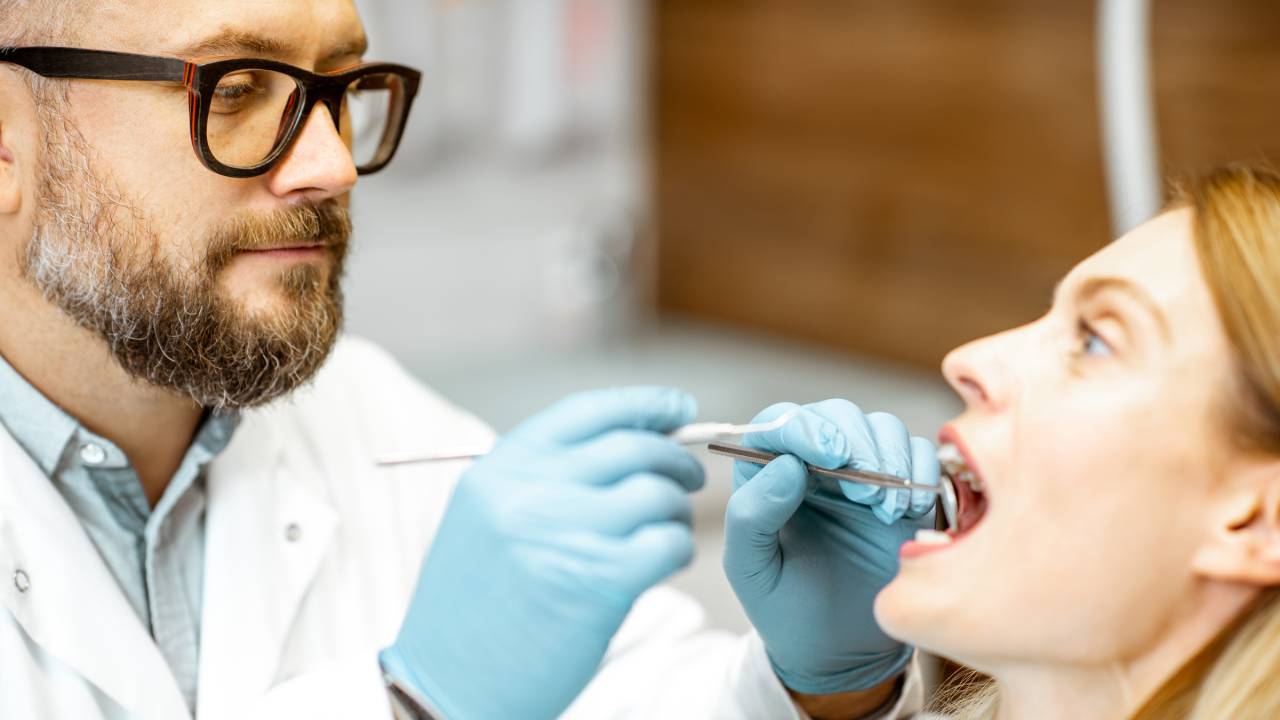
After your teeth are sparkling clean, your dentist takes over. They review any new X-rays—if it’s been more than a year since your last set, they may recommend updated images—to identify hidden decay, bone loss, or other issues. Using a small mirror and probe, the dentist inspects tooth surfaces, contacts, and gums, checking your bite, alignment, and any existing restorations like fillings or crowns.
Your dentist also screens for oral cancer, examining soft tissues inside your cheeks, under your tongue, and around your throat. A quick yet thorough soft-tissue evaluation can catch lesions or abnormal tissue changes at an early, highly treatable stage.
If any concerns are noted—such as a small cavity, minor gum inflammation, or an area of tenderness—the dentist discusses potential next steps. These might include scheduling a preventive dental exam appointment sooner than your next checkup or referring you for specialized care.
How dentists evaluate oral health
Beyond the direct exam, your dental team leverages diagnostic tools and systematic screenings to build a complete picture of your oral health. This multi-angle approach ensures minor issues don’t slip through the cracks.
Reviewing diagnostic images
Digital X-rays provide a window beneath the surface of your teeth and jawbone. Unlike traditional film, digital sensors expose you to minimal radiation and produce instant, high-resolution images. Your dentist examines these for early decay between teeth, bone density changes, and the health of previously treated areas. Bitewing X-rays focus on the crowns of your back teeth, while periapical X-rays target individual tooth roots. Panoramic imaging may also be used to view your entire jaw structure.
These images are compared against older scans to track progression or resolution of issues. When you review them on a chairside monitor, your dentist can point out exactly where to direct additional flossing, how to adjust brushing angles, or if you need a simple filling to halt decay.
Soft tissue and structural screenings
A healthy mouth involves more than teeth. Your dentist conducts an oral cancer screening by gently palpating lymph nodes in your neck and feeling for masses or swellings. Inside your mouth, they look for color changes, white or red patches, ulcers, or growths on gums and mucosa.
Jaw function is assessed through gentle manipulation of your temporomandibular joints, checking for clicking, popping, or restricted movement. This screening can catch early signs of TMJ disorders before they lead to chronic pain or limited opening.
By combining imaging with hands-on evaluation, your dentist delivers a comprehensive dental evaluation that leaves no area unchecked.
Creating your personalized treatment plan
Once your cleaning and exam are complete, your dentist reviews all findings with you in clear, jargon-free language. Together, you’ll prioritize next steps based on urgency and your personal goals—whether that’s brightening your smile, repairing a small cavity, or addressing gum health.
Your customized plan may include:
- Preventive therapies such as fluoride varnish or sealants to protect vulnerable teeth
- Restorative procedures like fillings, crowns, or onlays to repair decay or trauma
- Periodontal care ranging from deep cleaning (scaling and root planing) to ongoing maintenance for gum disease
- Orthodontic or referral recommendations if alignment or bite issues require specialist input
- Home-care adjustments including targeted brushing techniques, new flossing tools, or antimicrobial rinses
Your dentist sets realistic timelines, balancing your schedule and financial considerations. If you require multiple visits—say, for both a deep cleaning and a cosmetic consultation—you leave with a clear calendar and cost estimate.
At this stage, feel free to ask questions about options, materials, and after-care. A thorough discussion ensures you’re empowered to follow through. If you’re new to our office, this is also when you transition from initial intake to ongoing care—consider this your dentist new patient visit and the blueprint for future appointments.
Scheduling and follow-up recommendations
Your routine dental checkup appointment doesn’t end when you walk out the door. Scheduling your next exam and any recommended treatments is key to maintaining momentum. Most healthy adults fall into a six-month cycle, but individual factors can shorten or lengthen that interval.
| Patient group | Recommended frequency | Notes |
|---|---|---|
| General population | Every six months | Standard preventive schedule [4] |
| Low-risk individuals | Every 12 months | Healthy gums and no active decay allow extended intervals |
| High-risk groups* | Every 2–4 months | Smokers, diabetics, pregnant women, seniors require closer monitoring [5] |
*High-risk groups may include patients with a history of gum disease, frequent cavities, dry mouth, or certain medical conditions.
After your checkup, you should promptly schedule any follow-up visits before you leave the office. This ensures you secure a convenient time slot and keeps you accountable. If preventive or restorative treatments were recommended, treating minor issues now often prevents more extensive procedures later on.
Regular appointments also strengthen the relationship between you and your dentist. Over time, your provider builds a nuanced understanding of your oral anatomy, preferences, and risk factors—leading to increasingly personalized care.
Taking the next step
Your routine dental checkup appointment is the cornerstone of a lifetime of healthy smiles. By understanding its importance, preparing effectively, experiencing a detailed cleaning and exam, and following through on customized recommendations, you empower yourself to prevent future dental issues and preserve your natural dentition.
Ready to protect your oral health? Let us help you get started. Visit our schedule dental exam today page or call our office to secure your next preventive care appointment. Whether you’re seeking a general dentist appointment or a specialized full dental exam appointment, we’re here to guide you toward lasting dental wellness.