You may be wondering why that brief, sharp jolt in your tooth demands more than just a change of toothpaste. When sharp sensations recur each time you sip something hot, cold, sweet, or acidic, you need a sensitivity pain dentist evaluation to identify the source and safeguard your oral health. Early assessment prevents small issues from turning into urgent dental emergencies, ensuring you stay comfortable and avoid extensive treatment down the road.
A thorough evaluation addresses not just your immediate discomfort but also uncovers underlying problems—enamel erosion, gum recession, or even early decay—that could worsen without intervention. In the sections that follow, you’ll learn to recognize warning signs, prepare for your appointment, understand the clinical and imaging steps involved, and explore effective treatment strategies tailored to your needs.
Understanding sensitivity pain
Tooth sensitivity, or dentin hypersensitivity, occurs when the protective enamel wears down and exposes the softer dentin beneath. Dentin contains tiny tubes that lead directly to the nerve center of the tooth, allowing temperature changes and sugar to trigger pain signals. When these nerve endings become exposed, even a gentle breeze of cold air can cause a sharp, fleeting shock of pain [1].
You might first notice discomfort while drinking morning coffee, brushing your teeth, or biting into an ice pop. These episodes are typically short-lived, ending as soon as the stimulus is removed. However, if sensitivity pain becomes more frequent or intense, it signals a need for professional evaluation. Dentin hypersensitivity is often a diagnosis of exclusion—you learn whether there’s another dental issue lurking beneath the surface only after ruling out cavities, cracks, or gum disease [2].
Beyond physical exposure of dentin, common contributors to sensitivity include aggressive brushing, regular whitening treatments, gum recession, and teeth grinding. According to the University of Utah Health, about one in eight Americans experiences these brief, sharp pains when exposed to hot, cold, sweet, or acidic foods, highlighting how widespread sensitivity issues can be [3].
By understanding the mechanics behind your sensitivity, you’ll be better prepared to discuss symptoms and triggers during your appointment, setting the stage for an efficient diagnostic process.
Recognizing warning signs
You may assume tooth sensitivity is harmless, but certain red flags warrant immediate attention. If your pain shifts from occasional twinges to persistent or worsening discomfort, it could indicate more serious conditions such as a developing cavity, cracked tooth, or inflamed pulp. Ignoring these signs risks infection and the need for more invasive treatments down the line.
“Sensitive teeth cause a short, sharp pain during activities such as brushing, eating, and drinking, often due to worn tooth enamel or exposed tooth roots.”
[4]
Pay close attention to these warning signs:
• Pain that lingers for more than a few seconds after the stimulus is removed
• Sharp sensations when you bite down, even on soft foods
• Sensitivity localized to one or two specific teeth
• Intermittent swelling or tenderness around the gums
• Any sensitivity accompanied by visible cracks, discoloration, or decay
If you experience any of the above, it’s time to schedule a lingering tooth pain evaluation or see an unexplained tooth pain dentist. Early recognition and prompt action can spare you from emergency procedures and protect your long-term dental health.
Preparing for evaluation
Before you arrive at the dental office, gathering some key information will streamline your dental pain assessment appointment. Start by noting:
• When you first noticed the sensitivity and how it’s changed over time
• Specific triggers (hot beverages, cold foods, brushing)
• Any home remedies you’ve tried and their effectiveness
• Date of your last dental checkup and cleaning
• Medical history and medications that might affect your teeth or gums
This background guides your dentist through a more focused exam and ensures nothing important gets overlooked. If you’ve seen any visible signs—gingival recession, cracked enamel, or existing restorations—take photos with your phone; these images can help your dentist pinpoint problem areas quickly.
Don’t hesitate to mention coexisting symptoms such as jaw pain or headaches. You might be referred to a jaw pain related to tooth dentist if bruxism (teeth grinding) is suspected. By compiling a concise symptom log, you empower your dentist to deliver an accurate evaluation for tooth pain without unnecessary delays.
Assessing pain clinically
At your appointment, your dentist will begin with a clinical assessment to evaluate the location, intensity, and quality of your sensitivity pain. This hands-on examination uncovers obvious surface issues and helps differentiate hypersensitivity from other causes of toothache.
Your dentist’s clinical steps may include:
- Visual inspection of enamel, restorations, and gum margins
- Gentle palpation of the gums to detect inflammation or pocketing
- Application of cold air or water to suspect teeth to reproduce symptoms
- Use of a dental explorer to apply gentle pressure on grooves and fissures
- Percussion testing, tapping teeth to identify root or pulp involvement
These tactile and thermal stimuli help your dentist determine whether sensitivity arises solely from exposed dentin or if deeper pathology—like a cracked tooth or an abscess—is present. If you’ve been reluctant to address discomfort when brushing or flossing, now is the time to share those details. Your dentist can then order any necessary imaging or refer you to a persistent toothache dentist for further evaluation.
Using diagnostic imaging
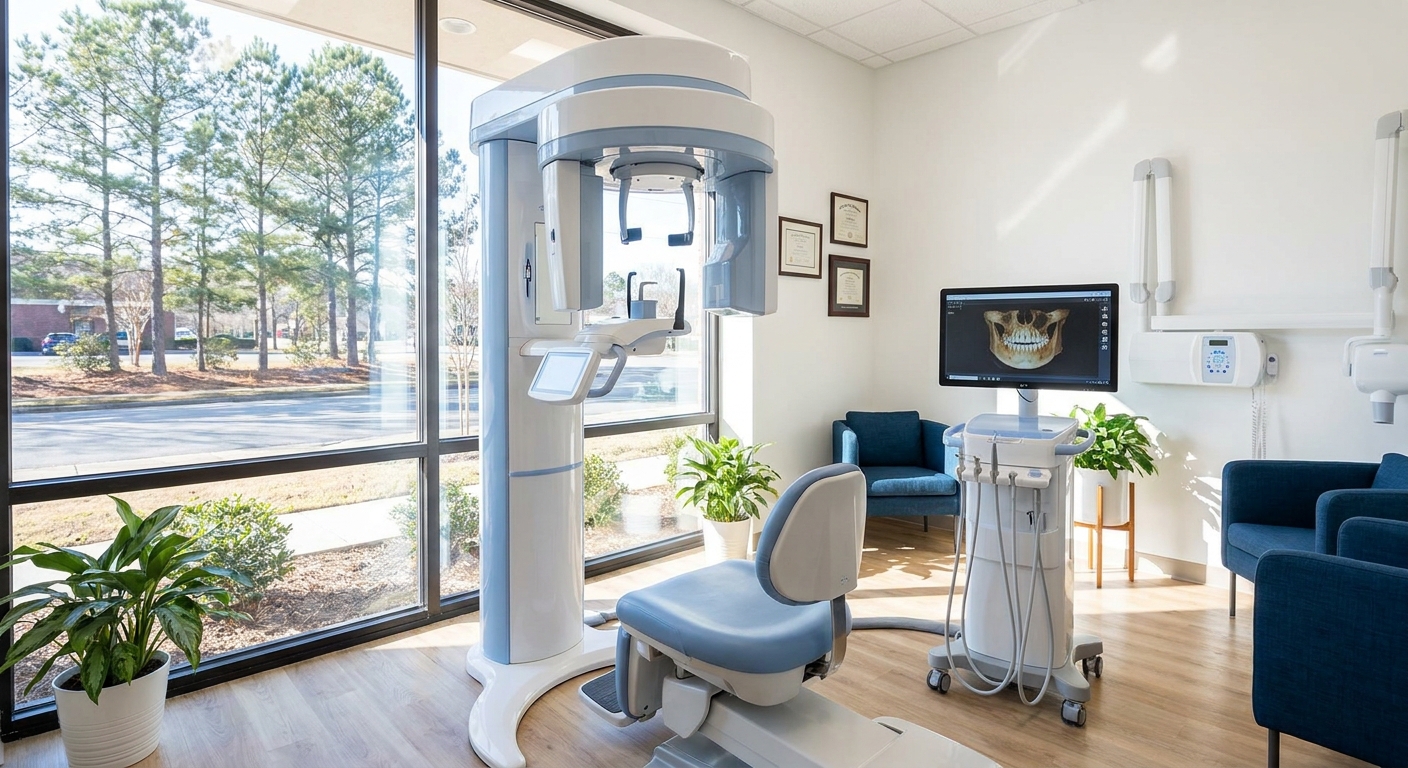
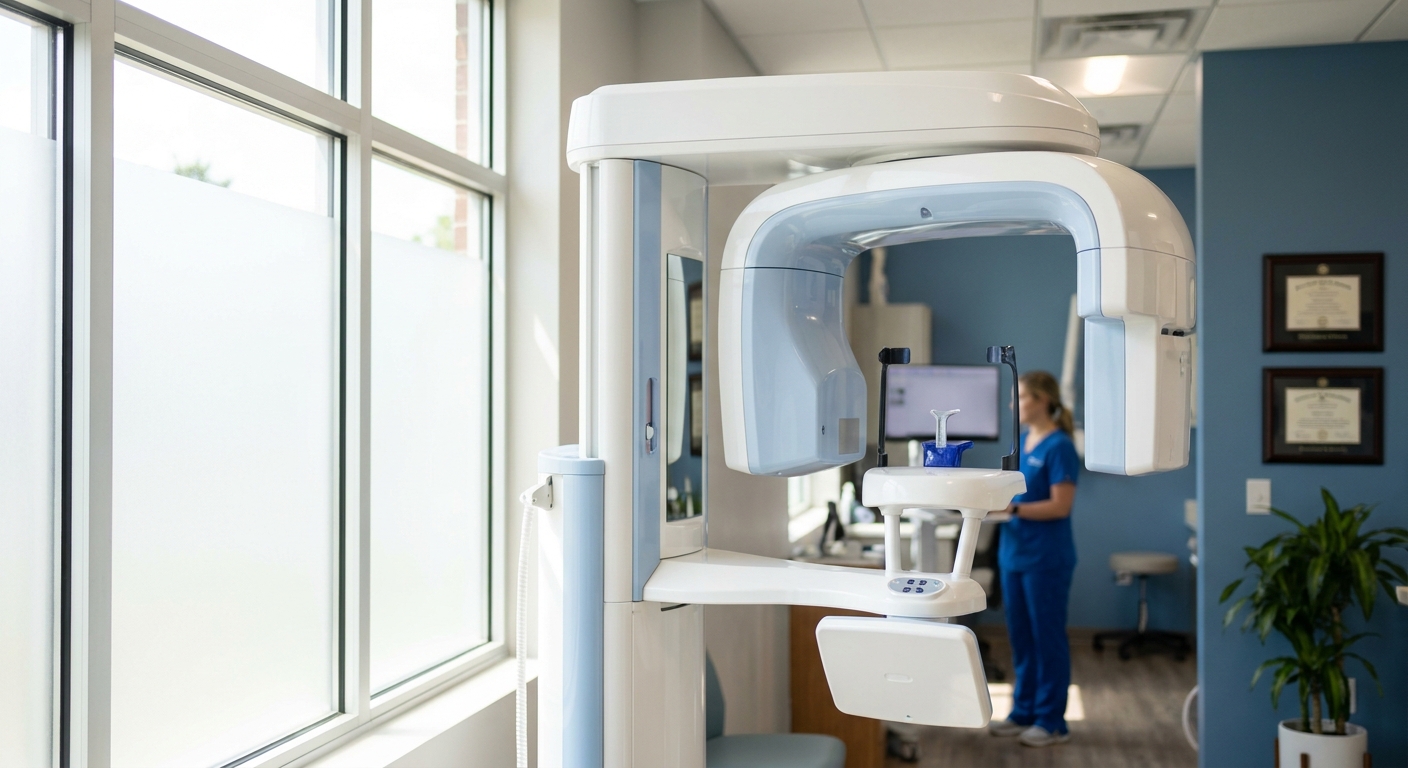
When clinical assessment leaves uncertainty, imaging bridges the gap between surface findings and underlying conditions. Digital X-rays and advanced 3D scans reveal structural issues you can’t see with the naked eye, from hidden decay to root fractures and early bone loss.
| Imaging type | Purpose | What it shows |
|---|---|---|
| Bitewing X-ray | Routine screening | Early cavities between teeth, bone levels |
| Periapical X-ray | Detailed tooth and root view | Root infections, abscesses, bone pathology |
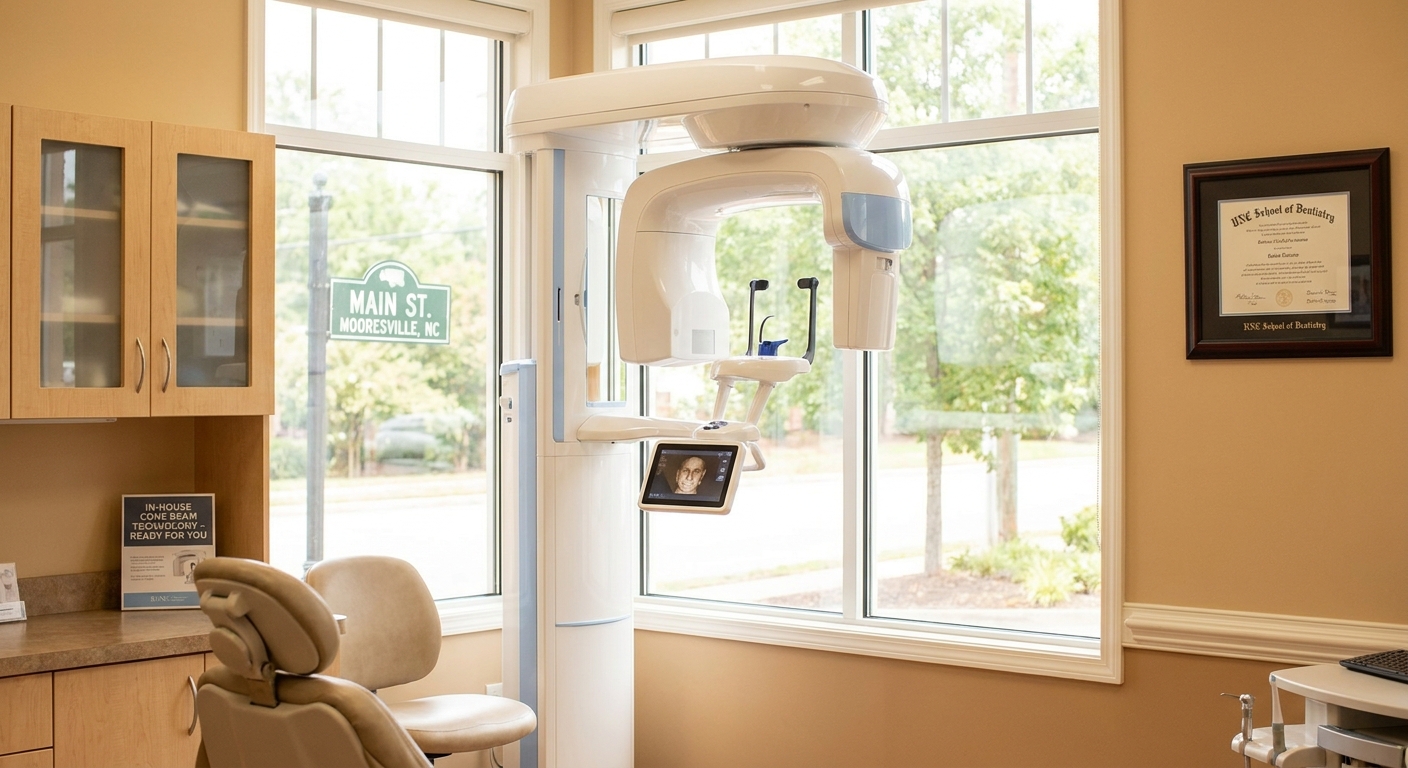
| Cone beam CT scan | Complex cases or implant planning | Three-dimensional view of teeth, bone, nerves |
Your dentist decides which modality fits your case. For example, a bitewing X-ray may suffice if you report mild sensitivity without other symptoms. If you experience persistent pain when biting—similar to what a pain when biting tooth dentist would investigate—your dentist might order a periapical film. In rare scenarios where root canal anatomy or jaw bone integrity needs clarification, a cone beam CT scan delivers comprehensive visuals.
Imaging not only confirms clinical suspicions but also becomes part of your permanent record, guiding any restorative or preventive procedures that follow.
Developing treatment plan
Once the evaluation and imaging confirm the cause of your sensitivity pain, your dentist will outline a tailored treatment plan. Your plan might combine at-home measures with in-office treatments to address both symptoms and root causes.
Professional treatment options often include:
- Application of fluoride varnish or gel to strengthen enamel
- Placement of dental bonding or sealants on exposed dentin
- Prescription of custom mouthguards if bruxism contributes to wear
- Periodontal therapy for gum recession and root coverage
- Root canal therapy when pulp inflammation or infection is detected
At the same time, you may be advised to adjust your daily routine:
- Switch to a soft-bristled toothbrush and use gentle circular strokes
- Choose a desensitizing toothpaste, such as Sensodyne, applied twice daily [5]
- Avoid highly acidic foods and drinks, or sip through a straw to limit contact
- Rinse with plain water after acidic meals to neutralize oral pH
- Schedule regular cleanings and checkups, typically every six months [3]
Each element of the plan targets a different factor in your sensitivity. By combining professional interventions with lifestyle adjustments, you’ll enjoy relief more quickly and reduce the risk of recurrence. If inflammation is severe, you might also see a dentist for inflamed tooth or a dentist for nerve pain tooth for specialized care.
Preventing sensitivity recurrence
After resolving acute pain, prevention becomes your best strategy to maintain comfort over the long term. Consistent oral hygiene and routine dental visits form the bedrock of prevention, but you can also take targeted steps.
Adopt these practices to keep sensitivity at bay:
• Maintain gentle brushing with a soft-bristled brush
• Use a desensitizing toothpaste daily
• Wear a nightguard if you grind your teeth
• Limit consumption of acidic foods and beverages
• Stay on top of professional cleanings and exams
Preventive care is more cost-effective and less invasive than addressing advanced dental conditions. A proactive approach not only preserves your tooth structure but also safeguards your overall oral health. When in doubt, don’t wait—book an evaluation for tooth pain or consult a tooth discomfort exam dentist to nip sensitivity issues in the bud.
By understanding the causes of your sensitivity, recognizing warning signs, and following a clear diagnostic and treatment pathway, you’ll regain control over your oral comfort. A timely sensitivity pain dentist evaluation is your first step toward lasting relief and healthier teeth.