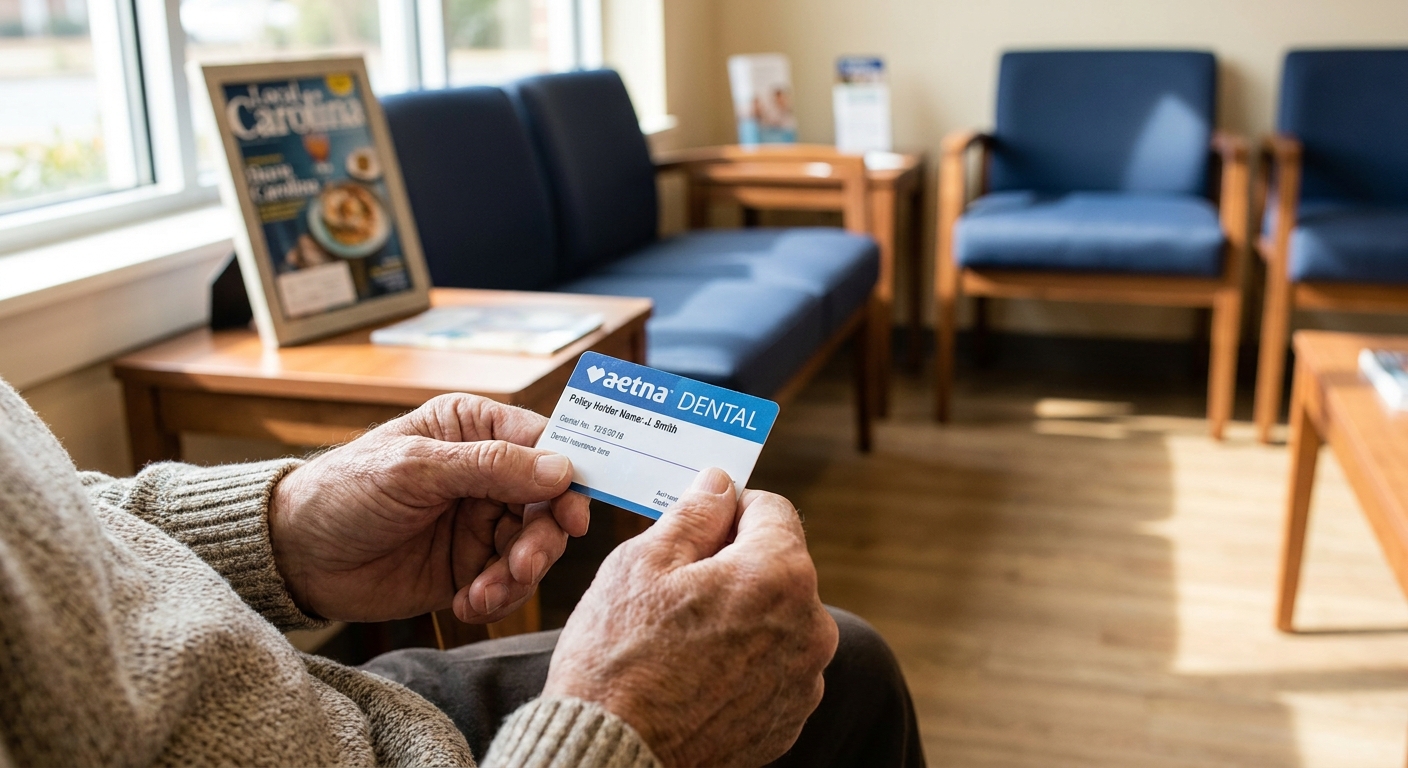
Understanding dental anxiety
Dental anxiety is more common than you might think. You’re not alone—over 80% of Americans experience some level of dental fear, and an estimated 30 to 40 million avoid the dentist altogether because of it [1]. Whether you’ve had a painful procedure in the past or dread the sound of a drill, anxiety can stand between you and healthy teeth.
When you feel anxious, your body’s fight-or-flight response kicks in, making every trip to the chair feel like a high-stakes event. Tension can make it harder to sit still, begin treatments, or even open your mouth properly. Acknowledging that fear is real—and treatable—is the first step toward a stress free dental visit.
Identifying what triggers your worry helps you reclaim control. Some people fear needles; others worry about judgment or loss of control. Pinpointing your specific concerns prepares you to address them head-on, equipping you with the right strategies for a calmer appointment.
Choosing the right dentist
Your choice of dentist matters. A practitioner who prioritizes your comfort can transform that hint of dread into calm confidence. Look for a gentle approach and clear communication from the start.
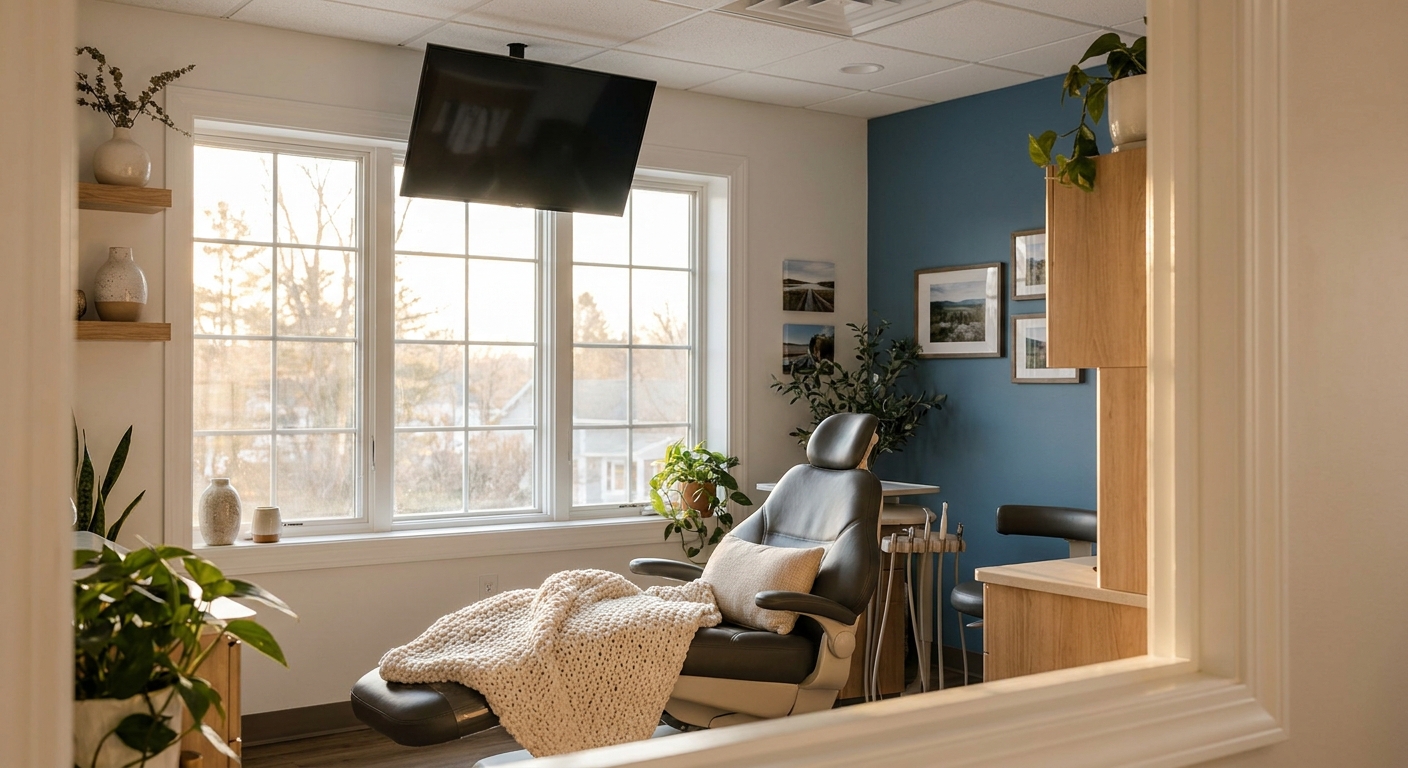
Seek a gentle dentist for adults or one experienced as a dentist for nervous patients. Practices that advertise low stress dental care often feature soothing décor, patient-friendly equipment, and staff trained to ease your worries.
Treatment style also makes a difference. A dentist who explains procedures will walk you through each instrument and motion before it happens. Advance knowledge gives you a sense of control and reduces surprise. Pair that with a dentist who listens to concerns and you have someone who not only hears your fears but customizes the appointment to address them.
Consider scheduling an introductory appointment—sometimes called a gentle dental care appointment—to gauge fit. Notice how the team greets you, whether they offer breaks, and how they respond when you ask questions. If it feels rushed or dismissive, keep looking until you find a provider who values your comfort as much as your oral health.
Planning your stress-free visit
Preparation reduces uncertainty, and uncertainty is anxiety’s fuel. You can plan ahead in several simple ways before you step into the office.
Book at a time that suits your natural energy levels. If early mornings leave you tense, opt for a late-afternoon slot. Let the scheduler know you’d like minimal back-to-back appointments so you arrive relaxed.
Review the practice’s patient resources online. Reading about comfort focused dental care familiarizes you with steps taken to minimize discomfort. If new-patient forms are available digitally, complete them at home rather than in the waiting room.
Assemble a small “comfort kit” for the day. Noise-canceling headphones or earbuds can block drilling noises. Load a favorite playlist or bring a simple stress ball. If certain scents calm you, tuck a lavender sachet into your pocket. Arrive five to ten minutes early to practice deep breathing, review your questions, and settle in.
Communicating your concerns
You have the right to speak up at any point during your appointment. Clear communication creates a partnership between you and your dentist, so you can work together toward comfort.
Begin each visit by summarizing your top worries. Whether it’s the sound of the drill, fear of needles, or tooth sensitivity, naming your anxiety takes away its power. A dentist for fearful patients will use this information to adapt every step.
Establish a simple stop signal—raising your hand or making eye contact—to pause the procedure if your anxiety spikes. Most dental professionals encourage this pause. They can adjust lighting, offer a short break, or simply check in on your comfort before continuing.
Don’t hesitate to ask for extra explanation. When the tools and steps are demystified, they feel less threatening. A practice rooted in patient focused dental care will slow down, show you the suction tip instead of dropping it out of view, and talk you through what’s happening in real time.
Employing relaxation techniques
In addition to a supportive dental team, you can train your body and mind to handle stress more effectively. A few minutes of practice outside the office can pay dividends at your next appointment.
Progressive muscle relaxation lets you release tension from your toes up to your jaw. Focused breathing—like the three-four-five technique where you inhale for three seconds, hold for four seconds, and exhale for five—activates your parasympathetic system, slowing your heart rate [2].
Visualization exercises can also help. Close your eyes in the waiting room and picture a calm beach or forest trail. Engage all your senses: feel the breeze, hear the waves, smell the salt air. That mental rehearsal builds resilience.
Experts recommend additional non-medication methods such as relaxation exercises, meditation, distraction tools like music or stress balls, and even cognitive behavioral therapy to reframe thought patterns [3]. By practicing these techniques regularly, you’ll find it easier to tap into calmness when you recline in the dental chair.
Exploring sedation options
When relaxation methods alone aren’t enough, sedation dentistry can help you stay calm and comfortable [4]. Here’s a look at common options:
Nitrous oxide sedation offers a light, quickly reversible state of relaxation. You inhale laughing gas through a small mask, and within three to five minutes you’ll feel calmer. Once pure oxygen is administered at the end of your appointment, the effects wear off almost immediately, allowing you to drive yourself home.
Oral conscious sedation involves taking a prescribed pill—often Valium or Xanax—about an hour before your visit. You’ll feel drowsy, and many patients drift into light sleep while remaining able to respond to instructions. This option suits moderate to severe anxiety but requires someone to drive you afterward.
Intravenous (IV) sedation delivers medication directly into your bloodstream for deeper relaxation. With continuous monitoring of your heart rate and blood pressure, you stay comfortable through lengthy or complex procedures. Many patients report little or no memory of the treatment afterward.
In cases of extensive oral surgery or severe phobia, general anesthesia may be recommended to ensure you remain fully unconscious and free from discomfort [5].
| Sedation method | How it works | Recovery time | Best for |
|---|---|---|---|
| Nitrous oxide | Inhaled laughing gas | Minutes | Mild to moderate anxiety; short procedures |
| Oral conscious sedation | Pill taken before visit | Several hours | Moderate anxiety; light sleep |
| IV sedation | Medication via IV line | Hours | Severe anxiety; lengthy procedures |
| General anesthesia | Deep unconsciousness | Extended recovery | Complex surgeries; extreme phobia |
Discuss these options with a dentist for sensitive patients to determine which level of sedation fits your comfort and treatment needs.
Combining careful planning, open communication, proven relaxation techniques, and sedation when necessary—along with a supportive, patient-focused team—transforms dental care from a source of stress into an experience you can face with confidence. Your next appointment can be the one where anxiety takes a back seat to calm, connection, and lasting oral health.