Understanding tooth discomfort
When you book a tooth discomfort exam dentist appointment you are taking a critical step toward uncovering hidden dental issues. Persistent tooth pain, pressure or unexplained sensitivity can signal decay, infection or structural damage. Catching these problems early prevents emergencies and preserves your long-term oral health. By understanding how your dentist evaluates discomfort you will gain confidence in the diagnostic process and ensure you receive the right treatment plan for your needs.
Whether your pain flares when you bite down, you struggle with unexplained discomfort or you notice a dull ache at night, you have options. If the origin of your symptoms puzzles you, consider visiting an unexplained tooth pain dentist for a deeper assessment. A detailed exam uncovers the cause of your pain and guides targeted interventions. Instead of waiting for a crisis, schedule an evaluation for tooth pain to pinpoint the problem.
Why pain occurs
Tooth pain often originates in the pulp or nerves that lie deep within the tooth. Infections, fractures and advanced decay irritate these sensitive tissues causing sharp or throbbing sensations. Gum disease and abscesses can further spread inflammation around the root. Even grinding your teeth at night places pressure on enamel and dentin leading to nagging discomfort.
When to worry
Any pain that lasts more than a day or two deserves a professional evaluation. If you struggle to chew without discomfort consider contacting a tooth pain when chewing dentist. Sensitivity that interferes with daily activities may indicate an underlying issue rather than simple enamel wear. And if you experience swelling, fever or tenderness around one area you should seek urgent care.
Types of tooth pain
While all dental discomfort feels unpleasant the quality of your pain can reveal its source. Distinguishing between sharp, dull or sensitive sensations helps your dentist narrow down potential causes.
Sharp and jabbing pain
Sharp jabs of pain when biting often point to cracks or fractures in the tooth. You might feel a sudden sting when you apply pressure or chew on one side, which indicates that the cracked surface has shifted. In these cases a pain when biting tooth dentist will look for hairline fractures or weakened enamel.
Dull throbbing aching
A dull, persistent ache differs from sharp jabs in that it continues even at rest. This type of pain frequently signals an infection in the pulp causing internal pressure and inflammation. You may notice the pain intensify in the morning or evening especially when lying down.
Sensitivity to stimuli
Sensitivity to hot, cold or sweet foods suggests exposed dentin or enamel erosion. Rough brushing habits, gum recession and early decay often strip away protective layers exposing nerve endings. If you experience a distinct twinge with temperature changes consider scheduling a sensitivity pain dentist evaluation.
Clinical examination steps
A thorough exam goes beyond a quick glance in the mirror. Your dentist follows systematic steps to uncover issues that might hide beneath the surface.
Patient history review
Your dentist starts by asking detailed questions about your symptoms and oral habits. You will discuss when the pain began, what makes it better or worse and any recent dental work or injuries. Mentioning habits like grinding or dietary changes gives your dentist insight into factors that aggravate your teeth.
Visual and tactile inspection
During the visual exam your dentist examines each tooth and the surrounding gum tissue for signs of decay, abscess and lesions. They use a small mirror to check the inside surfaces and a probe to feel for soft spots or rough edges. Early cavities often appear as sticky areas where plaque has worn down enamel.
Percussion and palpation
Percussion testing involves gently tapping on teeth to pinpoint pain responses indicating nerve inflammation. Palpation applies pressure to the gums and facial muscles to reveal tenderness or swelling. Combined these techniques help identify areas needing further imaging.
Imaging and diagnostic tools
When clinical inspection raises questions your dentist turns to imaging tools. These methods provide a clearer view of hidden problems beneath the gums and inside the tooth.
Dental X-rays
Periapical and bitewing X-rays capture detailed two-dimensional images of individual teeth and the spaces between them. These scans detect cavities, fractures, bone loss and abscesses that may not be visible to the naked eye. A conventional X-ray often serves as the first line of diagnostic imaging.
CBCT and advanced imaging
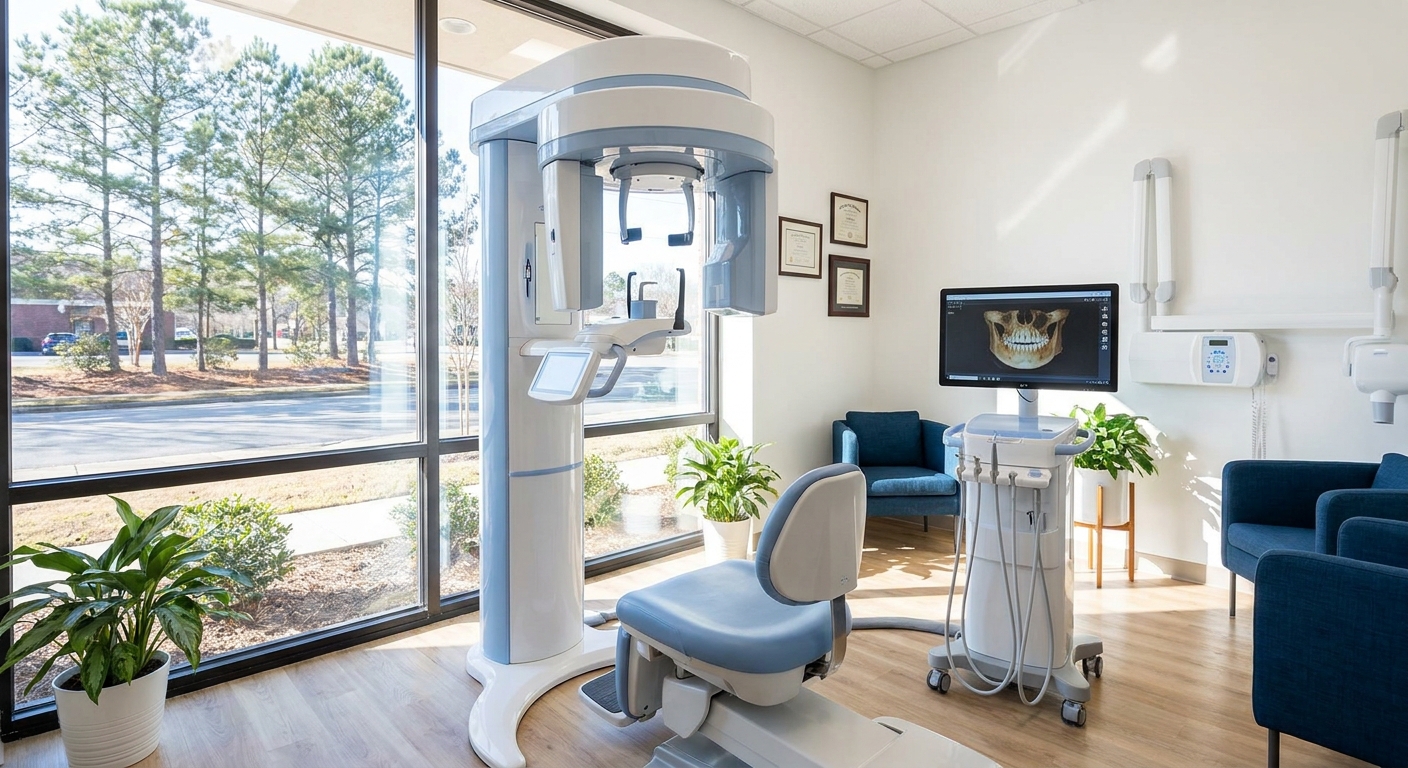
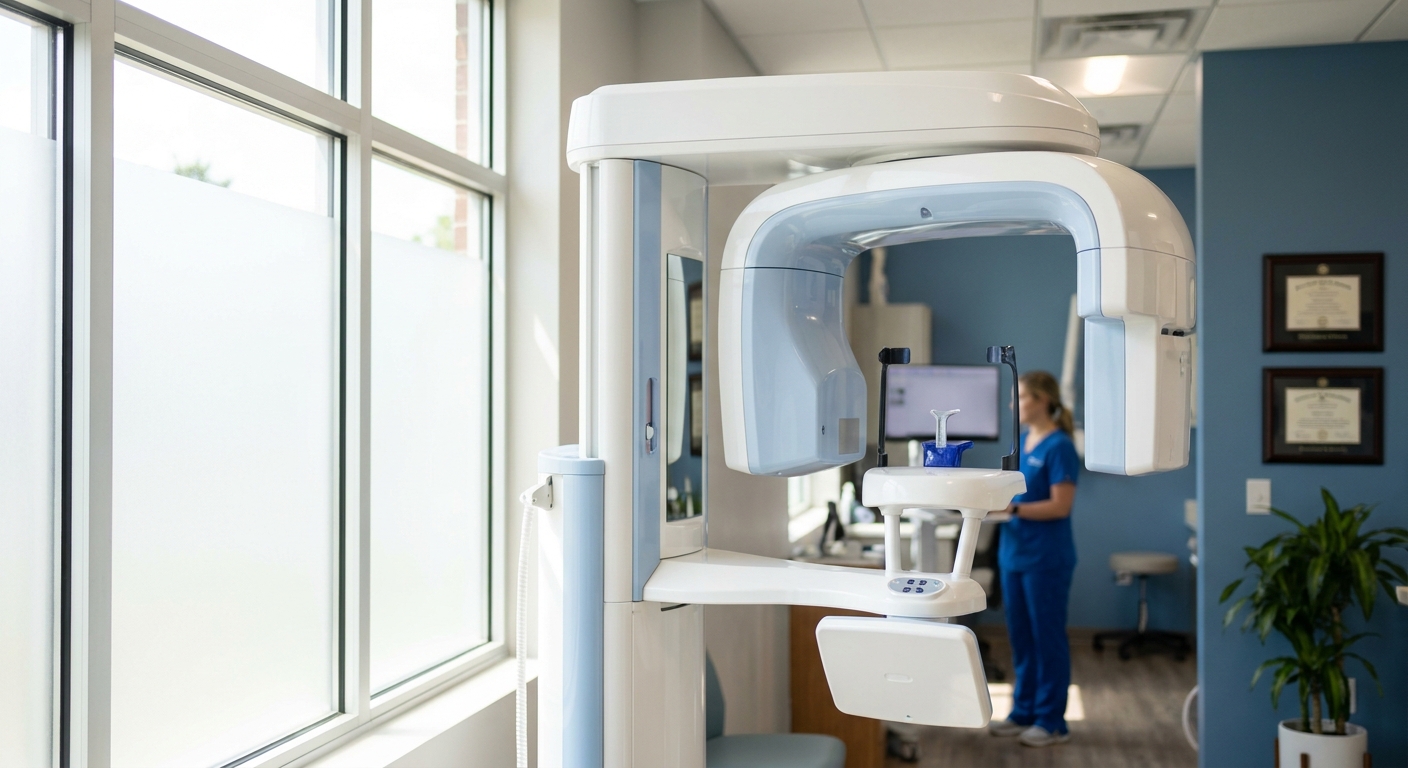
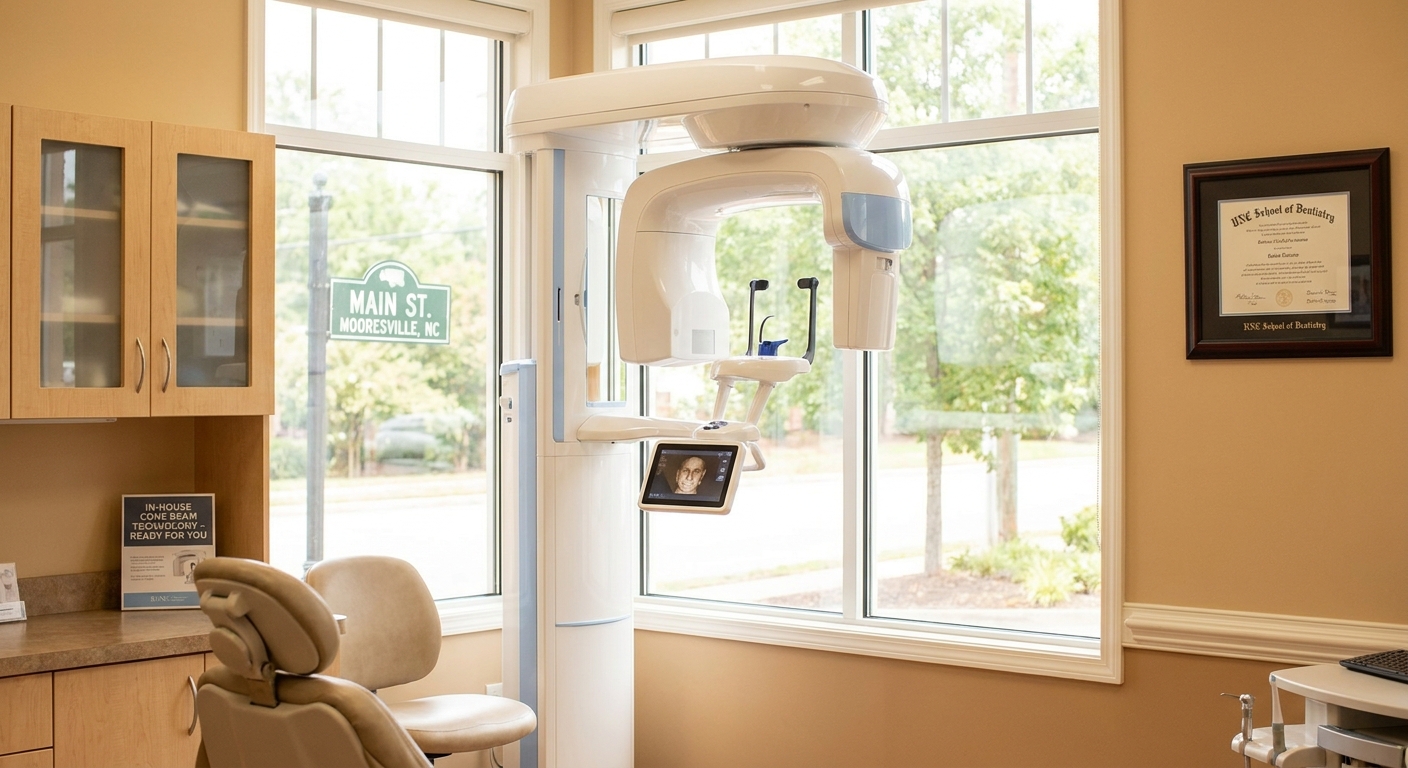
Cone beam computed tomography (CBCT) produces 3D images of your jaw, teeth and surrounding structures. This advanced technique helps identify complex root anatomy, impacted teeth and hidden abscesses. Although CBCT exposes you to slightly more radiation it can be indispensable for detailed treatment planning.
Transillumination and dye tests
Transillumination uses a bright light to highlight cracks and defects by observing light passing through tooth structure. Dye tests involve applying a gentle staining solution to reveal microfractures that trap dye. Both methods are non-invasive and can guide your dentist on where to capture further images.
| Tool | Purpose | Advantage | Limitation |
|---|---|---|---|
| Periapical and bitewing X-ray | Detect cavities and bone loss | 2D detail and low radiation | Limited to small areas |
| Panoramic X-ray | Full arch overview | Broad field of view | Lower resolution and potential distortion |
| Cone beam computed tomography (CBCT) | 3D imaging of teeth and jaw | Comprehensive structural detail | Higher radiation dose and cost |
| Transillumination and dye tests | Reveal cracks and microfractures | Non-invasive and portable | Limited depth penetration |
Your dentist selects the appropriate tool based on the clinical findings to balance diagnostic value with safety.
Diagnosing underlying issues
Combining exam findings and imaging lets your dentist pinpoint the root cause of discomfort. Accurate diagnosis ensures targeted treatment rather than trial and error.
Cavities and fractures
Decay that reaches dentin or pulp requires prompt attention to prevent infection. Small cavities often respond to dental fillings, whereas extensive cracks may need crowns, inlays or onlays. Identifying these problems early avoids more invasive procedures later.
Gum disease and abscess
Periodontal disease inflames and destroys bone supporting the tooth, leading to loose teeth and pain. A dental abscess forms when a bacterial infection reaches the pulp often causing extreme throbbing pain and swelling. In severe cases with fever and chills you could face a medical emergency due to the risk of infection spreading to other parts of the body [1]. Your dentist may recommend antibiotics followed by root canal therapy or extraction if the infection has advanced.
TMJ and referred pain
Temporomandibular joint disorders can cause jaw pain that mimics toothache. You may feel discomfort in one area even though the joint is the real culprit. A careful exam helps your dentist rule out referred pain and focus on the correct treatment pathway.
Emergency warning signs
Any time your tooth discomfort comes with fever, facial swelling or difficulty swallowing you should seek care immediately. These symptoms could indicate a spreading infection requiring urgent intervention.
Fever and swelling
Localized swelling around a tooth that increases in size can signal an abscess or cellulitis. If you notice redness in your cheek or jaw you might need to see a dentist for inflamed tooth right away. Fever above 100.4°F and general malaise accompany severe infections and warrant prompt attention.
Persistent severe pain
When pain intensifies rather than subsides after a day or two it often means the infection or damage is worsening. Severe unrelenting pain can disrupt your sleep, appetite and daily routine. You may want to contact a persistent toothache dentist or book a dental pain assessment appointment without delay.
Treatment planning process
With a clear diagnosis in hand your dentist will discuss treatment options tailored to your condition. This plan balances preserving tooth structure, eradicating infection and restoring full function.
Restorative options
For minor cavities and enamel damage dental fillings, inlays or onlays can restore strength and prevent further decay. Crowns cap weakened teeth providing protection after large restorations or fractures. Selecting the right material—composite resin or ceramic—depends on location, function and aesthetics. Your dentist will review options during your tooth pain diagnosis dentist consultation.
Root canal therapy
When infection has reached the pulp your dentist or endodontist removes diseased tissue, disinfects the canals and seals them to prevent reinfection. Root canal therapy can often save a tooth that would otherwise require extraction. This procedure relieves pain by eliminating the source of inflammation. Afterward the tooth typically needs a crown to restore full function.
Extraction considerations
In cases of severe structural damage or untreatable infection extraction may be the safest route. Your dentist evaluates bone health, root anatomy and overall oral health before recommending removal. They will explain tooth replacement options such as implants, bridges or partial dentures. If you suspect an abscess a dentist for possible tooth infection can guide you through the post-extraction planning.
Home care and relief
While you wait for your appointment there are safe measures you can take to ease discomfort. Over-the-counter pain relievers reduce inflammation and tenderness though they do not treat the root cause. Always follow dosage guidelines and check with your dentist before combining medications.
Temporary pain management
You can use acetaminophen or ibuprofen to lower pain levels, but only as a stopgap measure [1]. Applying a cold compress to the outside of your cheek in 10-minute intervals also helps reduce swelling and dull pain. These methods buy time until your professional exam.
Home remedies and OTCs
A warm saltwater rinse soothes irritated gum tissue and flushes debris from around the tooth [2]. Clove oil offers mild numbing relief by applying a drop on a cotton swab pressed against the area [3]. Avoid placing aspirin directly on the gums to prevent tissue irritation. These home strategies can ease discomfort but remember they are temporary.
Implement preventive strategies
Maintaining consistent care prevents many causes of tooth discomfort before they develop. Small habits and regular checkups go a long way in preserving your oral health.
Oral hygiene habits
Brushing twice daily with fluoride toothpaste helps strengthen enamel and remove plaque that causes decay [4]. Daily flossing cleans the areas your brush cannot reach and prevents gum recession. Consider using an antimicrobial mouthwash if recommended by your dentist.
Regular dental checkups
Scheduling exams every six months allows early detection of issues like cavities, fractures or gum disease before they progress [5]. Your dentist may also recommend sealants or topical fluoride applications to reinforce vulnerable surfaces. These proactive measures reduce the risk of emergency visits and complex procedures.
When to seek help
If your tooth discomfort persists despite home care you should reach out to your dental provider. Booking a dental pain assessment appointment ensures a comprehensive evaluation and prevents symptom escalation.
Even if pain comes and goes but returns repeatedly you deserve a thorough workup. Contact a dentist for ongoing tooth pain to rule out hidden threats and maintain your oral health.
Addressing discomfort now prevents emergencies later.