Understanding when you need a tooth enamel damage dentist can save your smile and prevent more extensive dental problems down the road. Enamel, the hard, outer coating of your teeth, protects the sensitive inner layers from decay, temperature changes, and everyday wear. Once that enamel is compromised by erosion, cracks, or wear, it cannot regenerate on its own. Seeking a qualified tooth enamel damage dentist early ensures you preserve your tooth’s function and appearance.
In this guide, you’ll learn what enamel damage looks like, how to spot warning signs, when to schedule a professional evaluation, what treatment options are available, and steps you can take at home to prevent further deterioration. By the end, you’ll know exactly when to contact a specialist and what to expect during your visit.
Understand enamel damage
What is tooth enamel erosion
Tooth enamel erosion is the progressive wearing down of your tooth’s outer surface due to chemical or mechanical forces. Enamel is the hardest substance in your body, but it contains no living cells and cannot repair itself once damaged. Erosion weakens teeth, increasing their vulnerability to stains, sensitivity, and cavities. According to the Cleveland Clinic, nearly half of all primary (baby) teeth and up to 45 percent of permanent (adult) teeth show signs of erosion [1].
When enamel thins, the dentin underneath becomes exposed. Dentin is more porous, so you may notice a yellowish tint or translucent edges. Microscopic pits and rough patches can develop, creating prime spots for decay. Recognizing erosion early gives you the best chance of strengthening enamel before it leads to more serious issues.
Common causes of enamel damage
Enamel erosion can stem from a variety of sources. Some causes are dietary, while others relate to habits or health conditions. You may experience accelerated wear if you regularly encounter one or more of the following factors:
- Acidic foods and drinks, such as citrus fruits, sodas, tomatoes, and sour candies
- Sugar that oral bacteria convert into acids
- Plaque buildup on tooth surfaces
- Teeth grinding or clenching (bruxism)
- Stomach acid exposure from acid reflux or bulimia
- Genetic disorders like amelogenesis imperfecta [2]
Understanding what contributes to enamel loss in your own routine helps you and your dentist plan targeted prevention and treatment strategies.
Recognize the warning signs
Changes in appearance
One of the first clues of enamel damage is a change in how your teeth look. You might notice white or clear spots indicating early demineralization. As erosion progresses, yellow to brown discoloration appears where dentin shows through. In advanced cases, edges of your teeth can look transparent or “glasslike.”
Even small chips or uneven wear patterns can point to weakened enamel. If you’re unsure whether what you see is normal wear or a sign of damage, a tooth damage assessment dentist can examine your enamel under magnification and pinpoint areas that need attention.
Pain and sensitivity
Heightened sensitivity to hot, cold, sweet, or acidic foods is a hallmark symptom of enamel loss. When enamel thins, stimuli travel more easily to the nerve endings in your dentin. You may experience sudden, sharp twinges or a constant dull ache.
Occasional sensitivity is common, but if discomfort persists or worsens, it’s time to book an appointment with a dentist for weakened teeth. They can determine whether you need desensitizing treatments, protective sealants, or more extensive intervention.
Functional and structural issues
Beyond appearance and pain, enamel damage can lead to functional problems. You may find it harder to chew without discomfort or notice food particles lodging in small pits. Cracks in enamel can widen over time, risking deeper fractures that compromise the tooth’s integrity.
If biting down triggers pain or you hear clicking when chewing, consult a biting pain cracked tooth dentist or a dentist for structural tooth damage. Early evaluation prevents minor cracks from developing into root or pulp involvement.
Schedule an enamel evaluation
Diagnostic techniques
When you visit a dentist for cracked enamel or schedule an evaluation for damaged teeth, expect a comprehensive exam. Your dentist will:
- Visually inspect your enamel under bright light and magnification
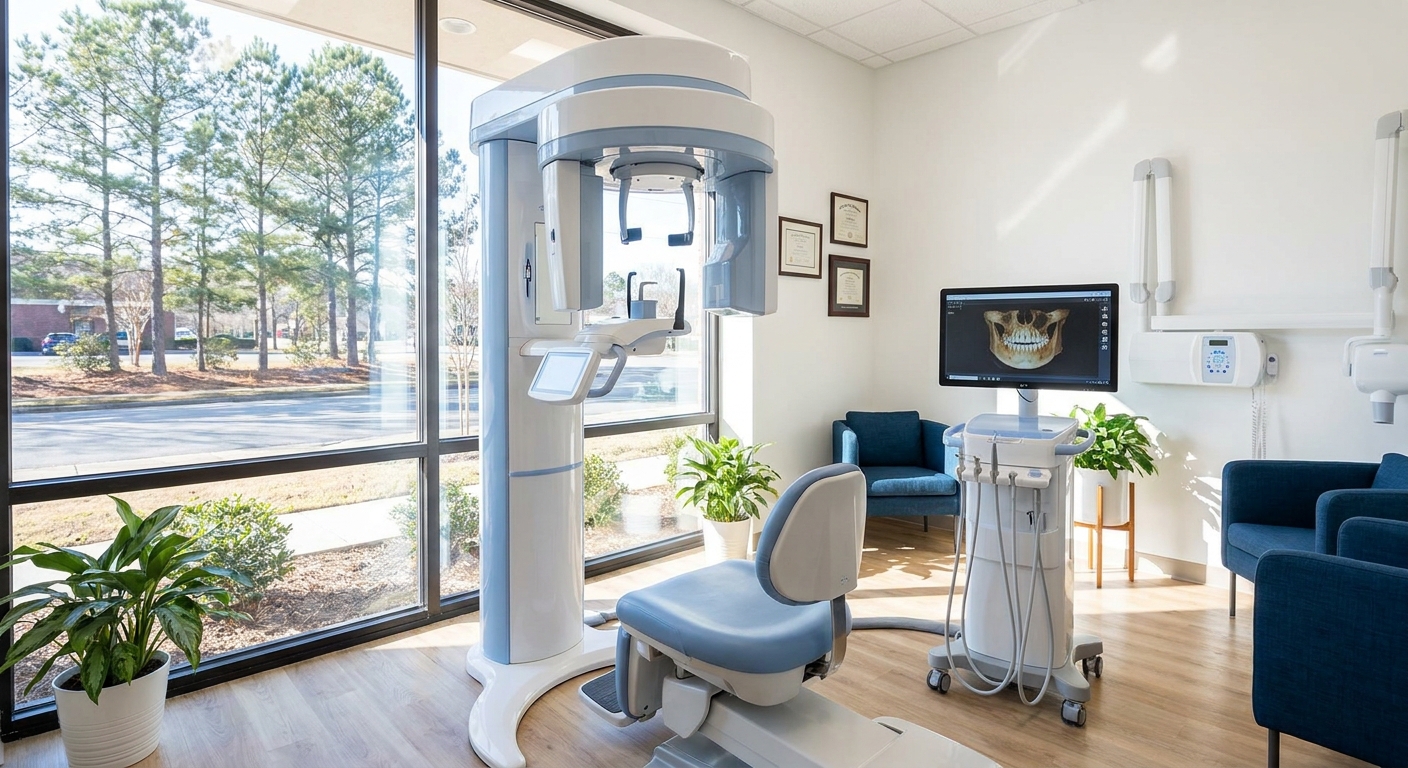
- Use dental X-rays to assess subsurface wear, pitting, or hidden fractures [1]
- Perform a tactile exam with an explorer tool to detect soft spots or rough edges
- Possibly apply a disclosing solution that highlights areas of demineralization
These methods reveal the extent of erosion, cracks, and other enamel defects. Armed with this information, your dentist crafts a personalized treatment plan focused on long-term tooth preservation.
When to see a specialist
You should seek a professional evaluation if you observe any of the following:
• Persistent sensitivity interfering with everyday activities
• Visible enamel thinning, pitting, or transparency at tooth edges
• Frequent chips, cracks, or rough enamel surfaces
• Discoloration that worsens despite good oral hygiene
• A history of acid reflux, bulimia, or bruxism increasing your risk
Timely intervention, ideally every six months or as your dentist recommends, stops damage before it reaches the dentin or pulp. If you suspect enamel loss, book a visit with a tooth damage assessment dentist or arrange a fractured tooth dentist appointment without delay.
Explore treatment options
Remineralization therapies
For early-stage enamel damage, your dentist may recommend noninvasive treatments designed to strengthen the remaining mineral content. These often include:
- Topical fluoride applications or varnishes that promote remineralization [1]
- Prescription-strength fluoride gels or toothpaste
- Calcium phosphate or casein phosphopeptide supplements that aid enamel repair
- Resin-based sealants to cover at-risk areas and prevent further acid attack
These therapies can halt enamel erosion in its tracks, reduce sensitivity, and prepare your teeth for any necessary future work.
Restorative dentistry procedures
When enamel loss extends into dentin or structural damage is present, restorative treatments restore function and appearance. Your damaged tooth treatment dentist may recommend:
- Tooth bonding or composite fillings to repair small chips and fill pits [2]
- Porcelain veneers or inlays for moderate surface loss and discoloration
- Dental crowns for extensive fractures or worn teeth that need full-coverage support [3]
- Root canal therapy if decay or trauma has reached the pulp, followed by a crown
- Custom mouthguards for bruxism to prevent further mechanical wear
Choosing the right procedure depends on your tooth’s condition and your functional needs. A dentist for tooth fracture or a dentist for dental trauma will guide you through the options and help you weigh durability, aesthetics, and long-term health.
Prevent further deterioration
At-home oral care
Maintaining your enamel starts with consistent daily habits:
• Brush twice a day with a soft-bristled toothbrush, waiting at least 30 minutes after acidic meals to avoid brushing softened enamel [4]
• Floss daily to remove plaque and prevent acid-producing bacteria from accumulating
• Use a fluoride toothpaste or mouthrinse to strengthen enamel
• Chew sugar-free gum to stimulate saliva flow and neutralize acids
Good home care reduces acid exposure, keeps enamel strong, and supports professional treatments.
Diet and lifestyle adjustments
What you eat and drink affects enamel health more than you might realize. To minimize acid attacks:
- Rinse with plain water after consuming acidic or sugary foods and drinks
- Limit citrus fruits, carbonated beverages, sour candies, and wine
- Swap soda for water or milk to reduce enamel-softening acids [3]
- Address acid reflux or eating disorders with your physician to protect teeth from stomach acid
- Wear a custom mouthguard if you grind your teeth during sleep
Small adjustments in diet and habits go a long way toward preserving enamel and maintaining your smile.
| Stage | Key features | Typical treatment |
|---|---|---|
| 1 Early demineralization | White or clear spots | Fluoride varnish, diet changes |
| 2 Enamel weakening | Microporosity, sensitivity | Prescription gels, sealants |
| 3 Visible thinning | Translucent edges, yellow tint | Bonding, veneers |
| 4 Structural damage | Cupping, chipping | Crowns, inlays |
| 5 Dentin exposure | Intense pain, high decay risk | Root canal, full-coverage crowns |
This table summarizes how enamel erosion progresses and the corresponding restorative steps. Early detection at stages 1 or 2 offers the best opportunity to avoid more invasive procedures.
By understanding what causes enamel damage, recognizing early warning signs, and taking prompt action with a qualified tooth enamel damage dentist, you protect your teeth from further erosion and restore functional stability. Don’t wait until pain or major fractures arise. Schedule a professional evaluation today with a dentist for broken tooth evaluation to keep your smile strong for years to come.