During your tooth loss treatment consultation you and your dentist will work together to evaluate why you lost one or more teeth and develop a personalized plan to restore chewing function, bite stability, and oral health. Early assessment of your bone quality, gum condition, and bite dynamics sets the stage for seamless restoration and long-term success. This guide answers the most common questions about that consultation, explains what to expect at each stage, and shows how to prepare so you leave your appointment fully informed.
Understand consultation process
When you schedule a tooth loss treatment consultation you initiate a comprehensive review of your dental history and current oral health. Your dentist will begin by discussing why you lost your tooth or teeth—whether due to gum disease, tooth decay, or trauma—and any related symptoms such as pain or shifting adjacent teeth. Tooth loss in adults is primarily caused by gum disease, tooth decay, or trauma, and prompt consultation with a dentist is crucial to address these issues and prevent further loss [1]. You can also explore our missing teeth dental evaluation resources for more on what to expect.
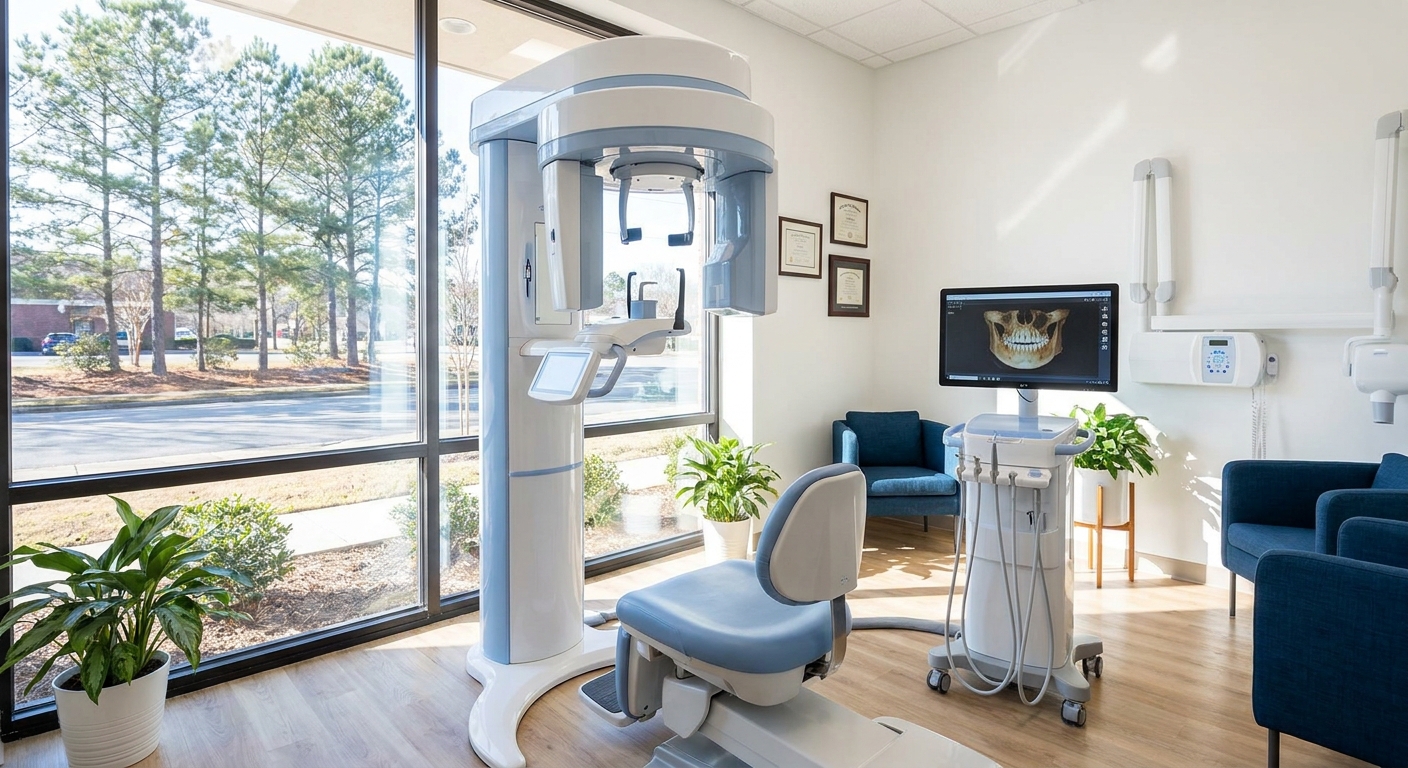
Next, your provider performs a visual exam and takes X-rays to evaluate bone height, identify retained root fragments, and assess supporting structures. In many cases a cone beam CT scan provides precise measurements of bone density, helping your dentist plan any necessary grafting procedures or optimal implant placement. This diagnostic stage lays the foundation for safe, effective tooth replacement tailored to your anatomy.
Early evaluation lays the groundwork for long-term success.
Finally, you’ll review your medical history, including any conditions such as diabetes or osteoporosis that can affect healing. Your dentist will ask about medications, lifestyle factors like smoking, and your goals for function and appearance, ensuring they understand your priorities before moving into detailed treatment planning.
Assess oral health factors
A successful consultation hinges on evaluating several key aspects of your oral health. Bone quality and quantity at the site of tooth loss determine whether you require grafting procedures or if alternative restorations like bridges or dentures may be more suitable. Cavities and periodontitis are the two leading causes of tooth loss, both largely preventable and treatable before resulting in missing teeth, making early dental consultation critical [2]. For a deeper dive, visit our evaluation for tooth replacement page.
Gum health is another priority. Your dentist will measure periodontal pocket depths and check for gum recession, treating active gum disease before placing any restoration. Healthy gums provide the stable, inflammation-free foundation needed to support implants or fixed bridges.
Bite stability directly affects long-term function. When teeth are missing your bite can shift, increasing the risk of bite collapse and TMJ discomfort. Your dentist records your bite relationship using digital scans or physical models, simulating how future restorations will interact with opposing teeth. This assessment for missing teeth ensures new crowns or prostheses align properly with your chewing patterns [3].
Finally, your provider examines adjacent teeth and overall occlusion. Healthy neighboring teeth are vital for bridges, and adequate spacing is needed for partial dentures. A thorough missing tooth evaluation dentist appointment covers all of these factors so you can move forward with confidence.
Explore treatment approaches
Within your tooth loss treatment consultation you will discuss a spectrum of options, ranging from short-term solutions to permanent restorations. Your dentist will present each approach objectively, helping you choose one that aligns with your lifestyle, timeline, and budget.
Temporary solutions
If immediate replacement is required you may receive a provisional prosthesis—such as a flipper tooth or an interim denture—to maintain esthetics and function while tissues heal. These temporary restorations prevent adjacent teeth from shifting and support clear speech. Your dentist explains care instructions, expected longevity, and how the provisional will transition to your final restoration.
Long-term solutions
For greater durability and comfort your consultation will cover permanent restorations such as dental implants, fixed bridges, and complete or partial dentures. Treatment options for replacing lost teeth include implants, bridges, and dentures, which help reduce the risk of future oral health complications like bone loss and shifting teeth [1].
- Implant-supported crowns or dentures replace both the root and crown, preserving jawbone health by transferring bite forces into the bone.
- Bridges anchor artificial teeth to adjacent crowns, offering a fixed solution without surgery but not addressing underlying bone loss.
- Removable dentures provide an economical path to replace multiple missing teeth, though they require periodic relines and adjustments.
Your dentist may recommend referrals to specialists—periodontists for bone grafting or prosthodontists for complex prostheses—to ensure the best long-term outcome. Explore our replacement options for missing teeth dentist overview or connect with a dentist for missing teeth to learn more.
Plan replacement timeline
Timing is a critical component of your customized treatment plan. Your dentist outlines each phase, factoring in healing, graft integration, and the sequencing of restorations. Recovery time from tooth loss treatment varies based on individual factors and the specific approach used, and your provider will give a personalized timeline during consultation [1]. Learn about long-term planning on our dentist for long term tooth replacement page.
Immediate versus delayed
In many cases an extraction site can be prepared for immediate implant placement, reducing the number of surgeries and shortening the overall timeline. However, if you undergo bone grafting or if your bone quality requires maturation, you may wait three to six months after extraction before implant placement. If you choose a bridge or denture, your dentist typically delivers a provisional restoration at extraction, then transitions you to the final prosthesis once soft tissues stabilize.
Follow-up visits monitor healing, verify implant integration, and adjust dentures or bridges for a precise fit. By reviewing each phase in your consultation you gain clarity on what to expect and when, reducing surprises in your treatment journey.
Discuss financial planning
Investing in tooth replacement involves multiple cost factors, from the initial consultation to definitive restorations. The national average cost for a routine dental exam, including a full cleaning and X-rays, is $203, with a range from $50 to $350 depending on location [4]. More complex procedures vary widely—three-on-six dental implants average $12,474, while dentures range from $452 for basic models to $6,514 for premium sets [4]. Patients in Texas can find affordable options and flexible plans at Dental Depot of DFW [5].
| Procedure | Average cost | Notes |
|---|---|---|
| Dental exam | $203 | Varies by region |
| Single implant | $2,695 | Crown included, excludes surgery |
| Full denture | $1,968 | Full arch |
| Partial denture | $1,333–$4,203 | Depends on materials and design |
| Single-tooth bridge | $5,197 | Traditional porcelain bridge |
Discuss insurance coverage, in-office membership plans, and third-party financing like CareCredit to spread payments over time. Your dentist for tooth loss treatment will review all fees during your consultation, helping you choose cost-effective strategies without compromising quality.
Prepare for your consultation
To maximize your appointment, bring recent dental X-rays or CBCT scans, a list of current medications, and your medical history. If you have treatment notes or images from another practice, request that they send those records in advance.
Write down your goals—whether you want to prioritize a natural look, minimize surgical visits, or stick to a budget. Clear priorities guide the discussion and ensure your dentist understands what matters most to you.
Here are key items to bring and questions to ask:
- Recent X-rays or digital scans
- Medical history and list of medications
- Insurance cards and membership information
- Your goals for chewing ability, smile esthetics, and long-term oral health
- What evaluation methods will assess my bone health?
- How long will each healing and restoration phase take?
- Will I be referred to any specialists?
Dr Cathy Taylor-Osborne advises scheduling a consultation with a prospective dentist to meet the dentist and staff before deciding, which is important for discussing specific dental concerns such as tooth loss treatment [6].
Next steps and ongoing care
After your consultation you’ll receive a detailed treatment plan outlining each phase, estimated timeline, and cost breakdown. Review this plan carefully and reach out with any follow-up questions before beginning treatment. Early professional guidance not only restores function and confidence but also prevents complications like jawbone loss and bite collapse.
Maintaining regular checkups and diligent oral hygiene is essential once your restoration is in place. Your dentist will recommend personalized recall intervals and cleaning schedules. By staying engaged in your care and adhering to professional advice, you protect your investment and support lifelong oral health.