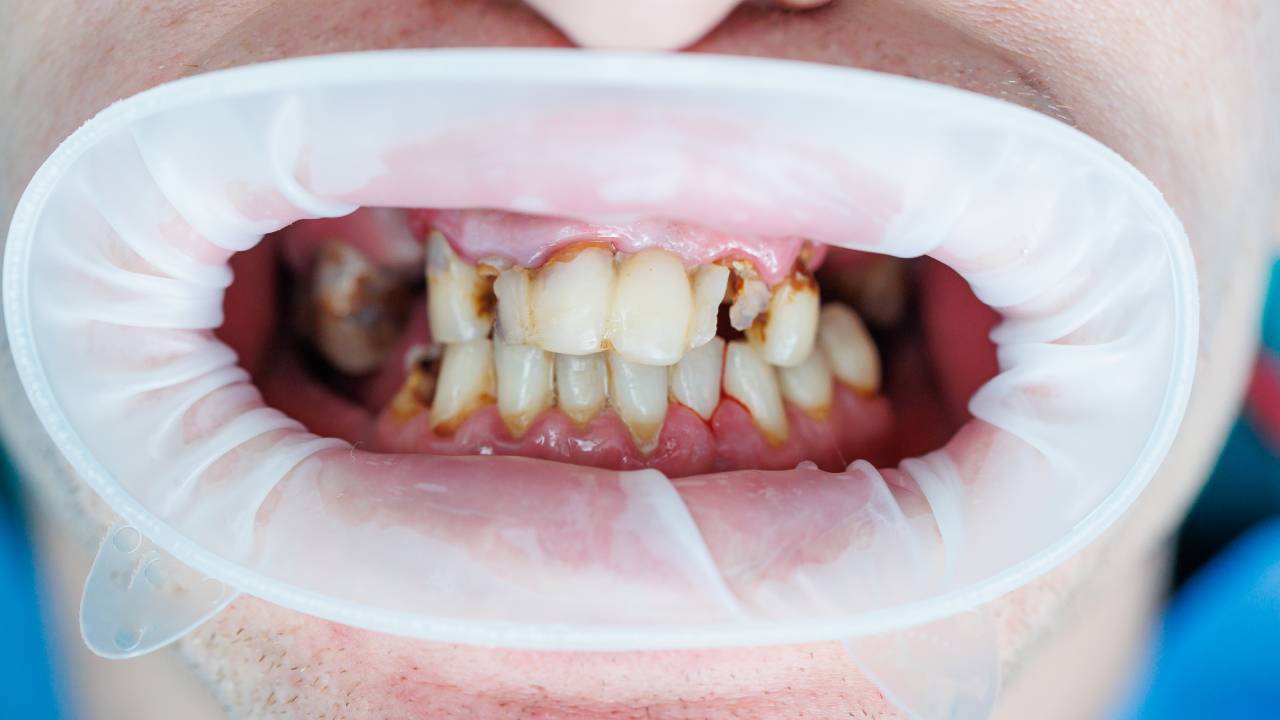
Identify pain characteristics
When you schedule a dental pain assessment appointment, the first step is understanding exactly how your tooth discomfort manifests. Tooth pain can range from fleeting twinges to persistent aches that interfere with daily life. Noting these differences helps your dentist pinpoint the underlying cause before you even sit in the exam chair.
Sharp versus dull pain
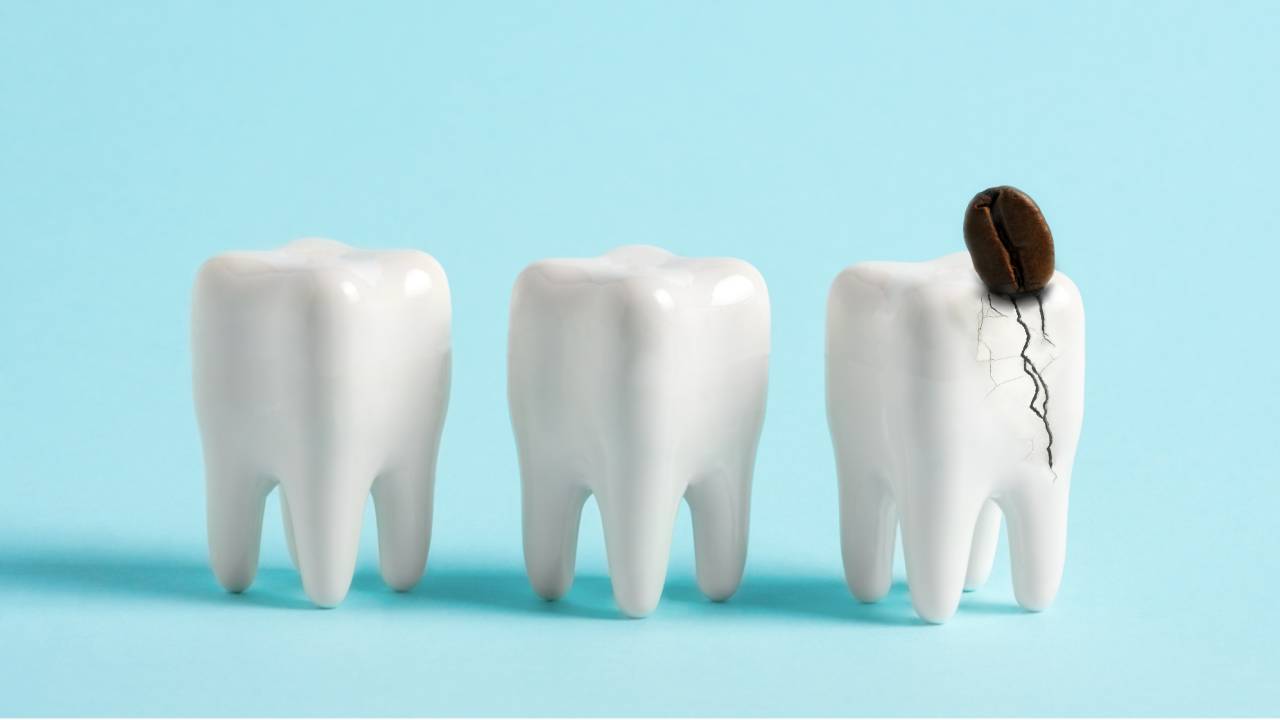
Sharp tooth pain triggered by hot, cold, or pressure usually indicates an issue inside the tooth or surrounding bone, such as cavities, infections, or damaged enamel, which require prompt diagnosis and treatment by a dentist [1]. If you feel sudden stabbing sensations when sipping iced water or biting into something hard, this could signal enamel erosion or a crack that needs immediate attention.
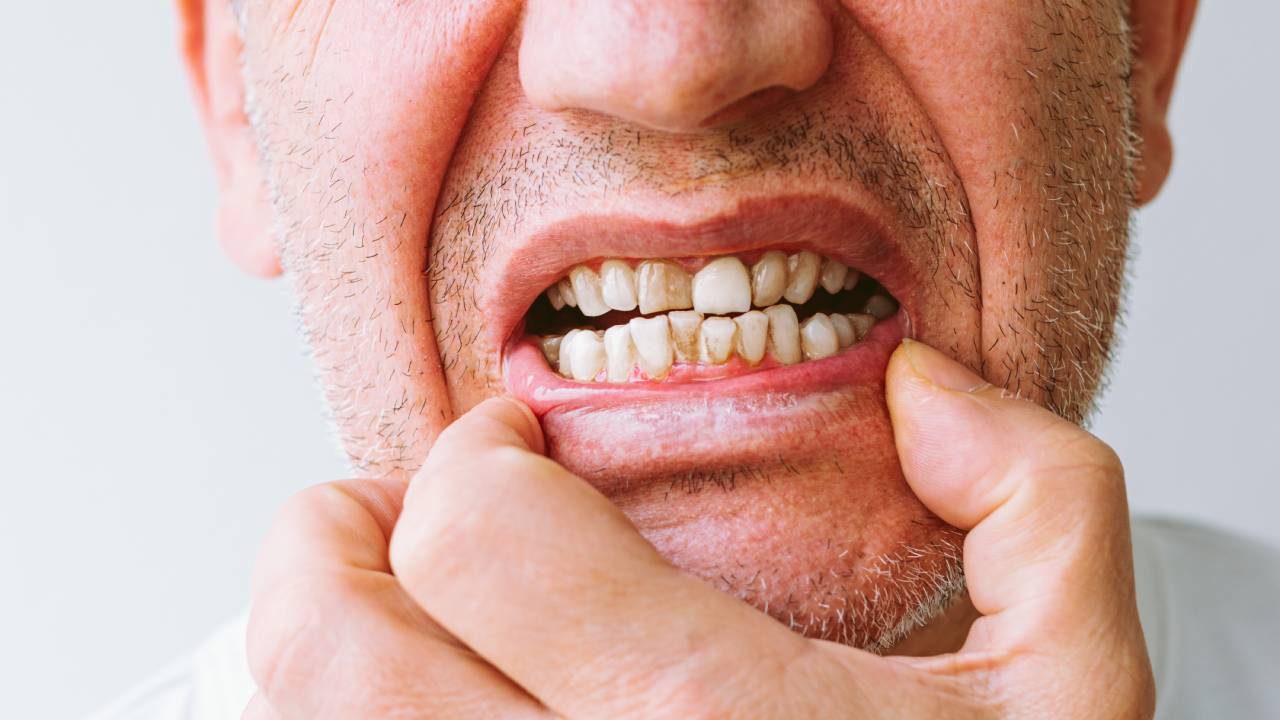
By contrast, a dull, throbbing ache often points to gum-related inflammation or early gum disease rather than a deep tooth infection [1]. You might notice red, swollen gum tissue that bleeds when brushing, or a persistent soreness around the base of your teeth. While less dramatic than a sharp jab, this kind of pain can worsen steadily without proper care.
Triggered pain scenarios
Pay attention to the situations that bring on discomfort. For instance, you may experience:
- Pain when biting into crunchy foods [2]
- Sensitivity when brushing or flossing [3]
- Ache while chewing, especially on one side [4]
- Pressure pain during routine dental cleanings [5]
Documenting these triggers in a pain diary can turn vague memories into a clear record that guides your dentist’s next steps. Even seemingly small patterns, like discomfort only when you bite down, can narrow the focus of your examination.
Explore diagnostic approach
A comprehensive tooth pain diagnosis dentist relies on begins long before X-rays or tests. Your history, lifestyle, and overall health all feed into the diagnostic cluster that guides treatment planning. This approach prevents unnecessary delays and reduces the risk of emergency dental visits.
Patient history and symptoms
Your dentist will ask about:
- How long you’ve had pain, whether constant or intermittent
- Any recent injuries to the mouth or jaw
- Episodes of swelling or fever accompanying the pain
- Past dental work on the affected area
Sharing a complete picture—no matter how irrelevant it may seem—helps avoid misdiagnosis. For instance, a sport injury you had months ago might have caused a hairline tooth fracture that only flares when pressure is applied, pointing to a different treatment path than gum inflammation.
Risk factors and red flags
Certain conditions heighten the urgency of evaluation. You should seek professional care right away if you notice:
- Severe, unrelenting toothache that wakes you at night
- Facial swelling or fever suggestive of spreading infection
- Post-procedure pain that intensifies rather than eases
- Persistent bleeding of gums unrelated to brushing technique
- Numbness or tingling in the lip or chin area
Ignoring these red flags can allow an infection to progress, leading to abscesses or systemic illness. When in doubt, err on the side of caution and consult a dentist for possible tooth infection.
Discuss clinical examinations
Once your history is recorded, your dentist will move to hands-on diagnostics. These in-office tests are designed to assess the tooth and surrounding tissues methodically.
Visual and palpation exam
Your dentist begins by inspecting teeth, gums, and soft tissues under bright light. Any cracks, discoloration, or recession become immediately apparent. Next, the dentist will gently palpate the gums, checking for tenderness, swelling, or pockets of infection. This exam can reveal issues such as inflamed gums or hidden lesions that might not yet cause sharp pain [6].
A quick mobility check can identify loose teeth, which may explain jaw pain related to tooth dentist situations when pressure is applied. Even slight movement under gentle pressure can signal compromised bone support or advanced gum disease.
Percussion and thermal testing
To assess nerve and periodontal ligament health, your dentist taps on the tooth surface (percussion) and applies hot or cold stimuli (thermal testing). These methods help distinguish pulpitis from gum inflammation. For example, a lingering, severe reaction to cold spray often points to nerve involvement and the potential need for root canal therapy [7]. Likewise, tenderness on tapping may indicate an abscess or deep infection that must be addressed promptly.
Mobility and bite tests
A precise bite test uses special articulating paper that marks contact points when you close your jaws. If your pain appears exactly where the paper marks coincide, it suggests a high bite or a crack propagating under pressure. This is especially helpful for diagnosing cracked tooth syndrome, where the fracture line is too fine to see without magnification. When you experience discomfort during these tasks, your dentist notes it for targeted imaging and treatment.
Review imaging procedures
Clinical exams provide valuable clues, but visualizing internal structures requires imaging. Modern dentistry relies on a range of radiographic tools to confirm or rule out suspicions from the clinical exam.
| Imaging type | Purpose | Limitations |
|---|---|---|
| Bitewing X-rays | Detect interproximal cavities, bone loss | Cannot show root tips or soft tissue issues |
| Periapical X-rays | Visualize entire tooth from crown to root tip | Limited field of view |
| Panoramic radiograph | Overview of jaws, sinuses, and TMJ | Lower resolution for fine cracks |
| Cone-beam CT | 3D image of teeth, bone, and nerves | Higher radiation dose, costlier |
Each modality has a unique role. For instance, bitewing films excel at spotting cavities between teeth, while cone-beam CT scans reveal complex root canal anatomy or jawbone abnormalities. Your dentist selects the most appropriate imaging based on your pain profile and clinical findings [8].
Plan treatment options
Once your tooth pain diagnosis dentist confirms the cause, the next step is a tailored treatment plan. Early intervention can often save a tooth that might otherwise require extraction.
Immediate relief measures
In many cases, temporary relief sets the stage for definitive care. Your dentist may recommend:
- Over-the-counter pain relievers like ibuprofen or acetaminophen for short-term control [9].
- Prescription-strength gels or mouth rinses to reduce inflammation around broken enamel.
- A soft diet and avoidance of temperature extremes to minimize aggravation.
These measures manage discomfort until you’re ready for the permanent solution, but they do not replace professional treatment.
Restorative and endodontic care
Depending on your diagnosis, treatment may include:
- Dental fillings or inlays for small to moderate cavities
- Crowns to restore cracked or heavily decayed teeth
- Root canal therapy when pulpitis or infection reaches the nerve
- Extraction if the tooth is fractured beyond repair
Each option aims to relieve pain, eliminate infection, and preserve oral function. For example, root canal therapy removes infected pulp and seals the chamber, preventing re-infection and alleviating nerve pain [10].
Referral to specialists
Complex cases may require collaboration with endodontists, periodontists, or oral surgeons. Your dentist will guide you to the right specialist when needed, ensuring seamless coordination and the best possible outcome. If you’ve battled lingering discomfort despite multiple visits, ask about a lingering tooth pain evaluation.
Emphasize prevention and follow-up
A successful diagnosis and treatment plan mark the beginning, not the end, of managing tooth pain. Long-term outcomes depend on proactive steps you take at home and with your dental team.
Oral hygiene habits
Optimal brushing and flossing routines form the first line of defense. Use a soft-bristled brush, fluoride toothpaste, and floss at least once daily to prevent plaque buildup that leads to cavities and gum inflammation. If you struggle with sensitivity, consider a toothpaste formulated for sensitive teeth after consulting your dentist [3].
Regular dental checkups
Quarterly or biannual visits help detect problems before they escalate into painful emergencies. During these appointments your dentist assesses restorations, screens for new decay, and monitors gum health. Staying on schedule reduces the likelihood of unplanned visits for severe pain or infections [11].
You now know the diagnostic journey—from identifying pain characteristics to advanced imaging and personalized treatment planning. By partnering with your dentist and taking an active role in preventive care, you can manage existing discomfort and avoid future tooth pain crises.
References
- (Alpine Dental NJ)
- (pain when biting tooth dentist)
- (sensitivity pain dentist evaluation)
- (tooth pain when chewing dentist)
- (pressure pain tooth dentist)
- (dentist for inflamed tooth)
- (Ballantyne Endodontics)
- (PP Dental)
- (Cleveland Clinic)
- (dentist for nerve pain tooth)
- (dentist for chronic tooth pain)