common causes of chewing pain
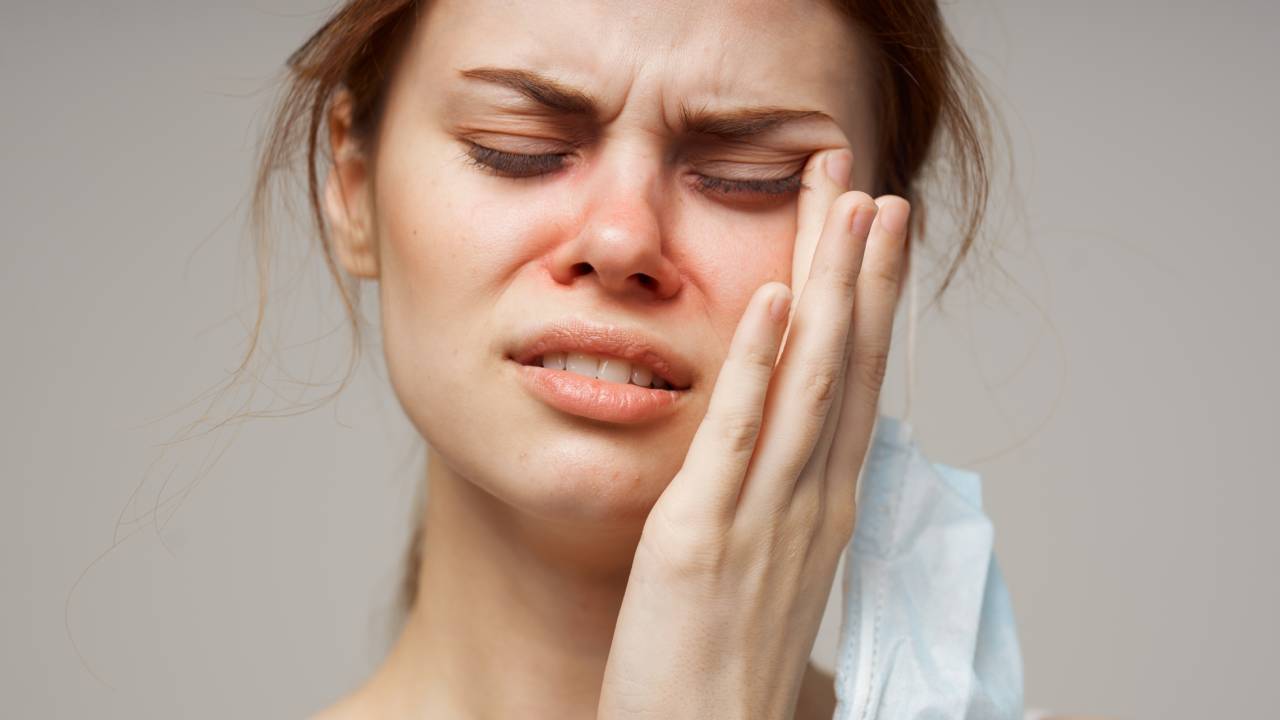
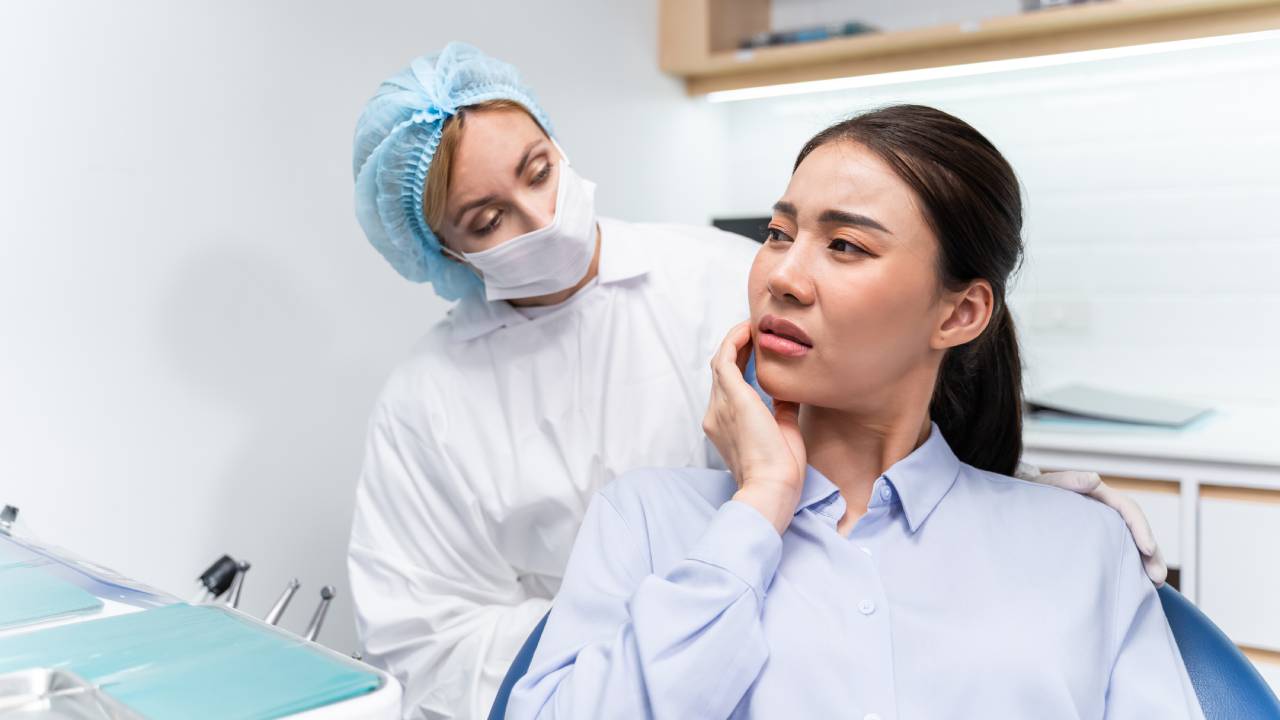
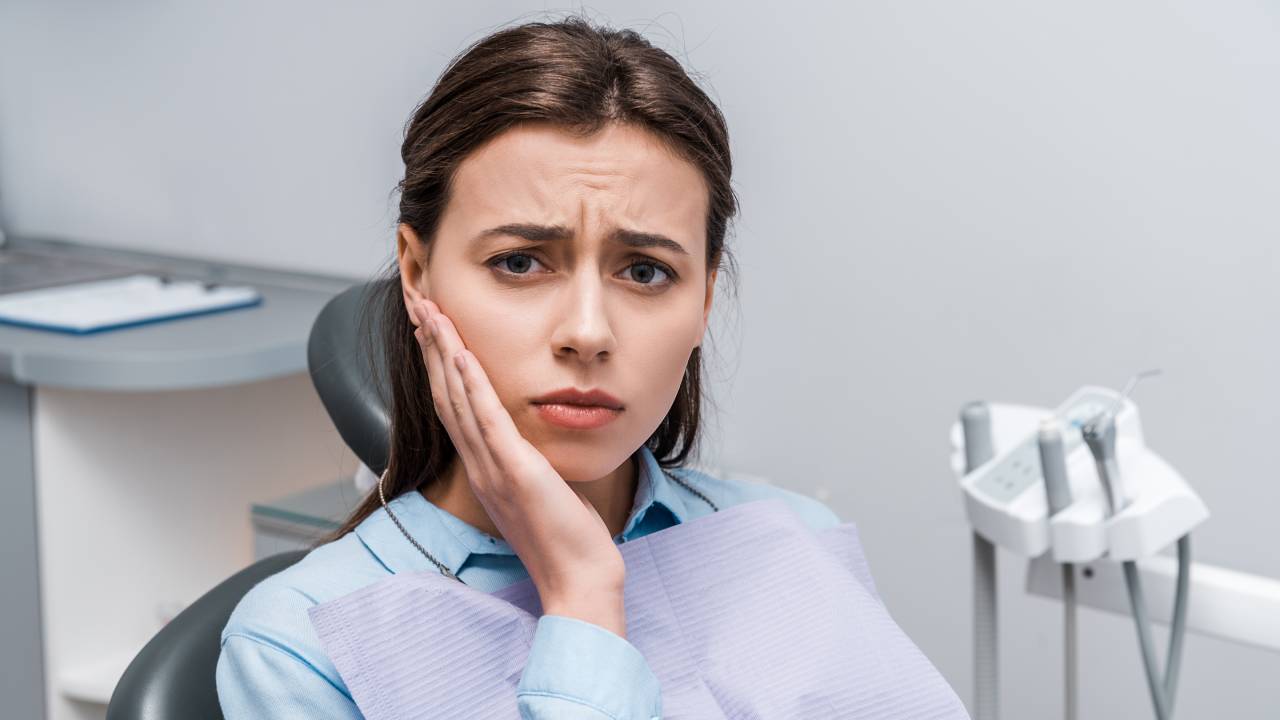
If you experience tooth pain when chewing, a dentist can help you identify underlying issues before they escalate. Tooth pain when chewing often signals underlying dental problems that may range from minor issues like cavities to more serious conditions such as infections or fractures, according to BLVD Dentistry in June 2025 [1].
Understanding the possible causes of discomfort can help you communicate your symptoms clearly and seek the right treatment. Below are the most frequent culprits behind pain during biting or chewing.
cavities and decay
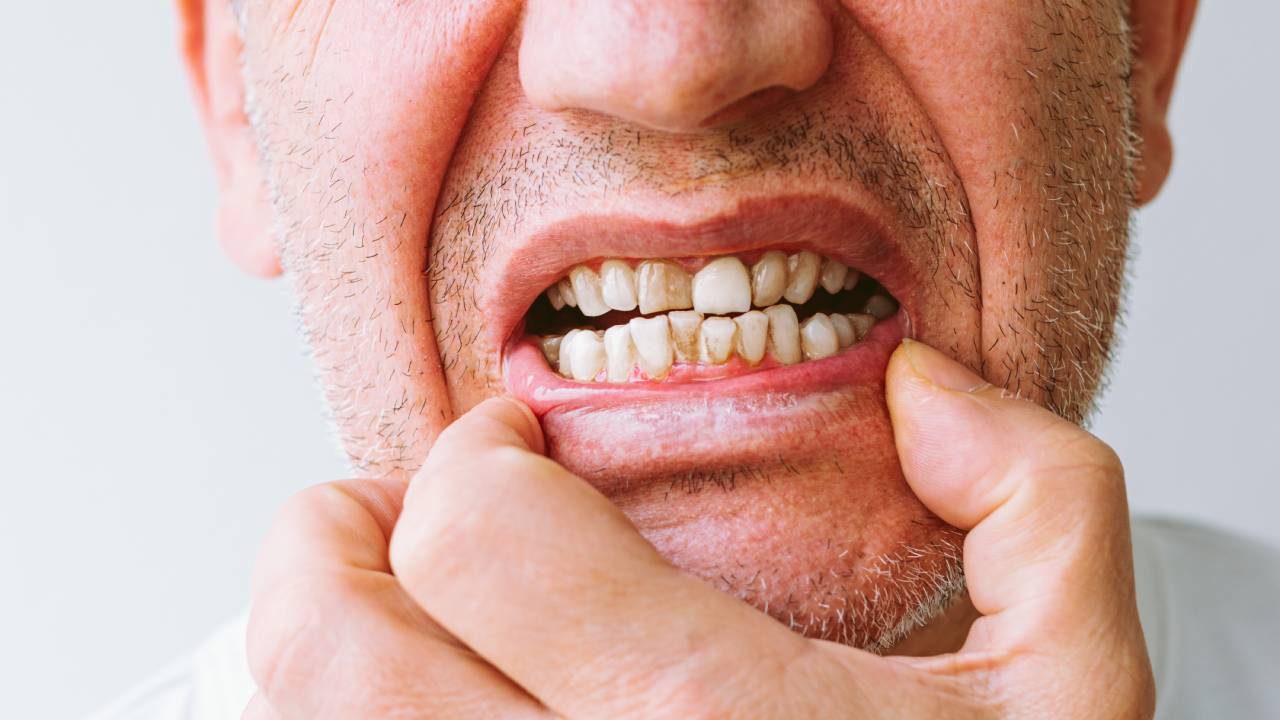
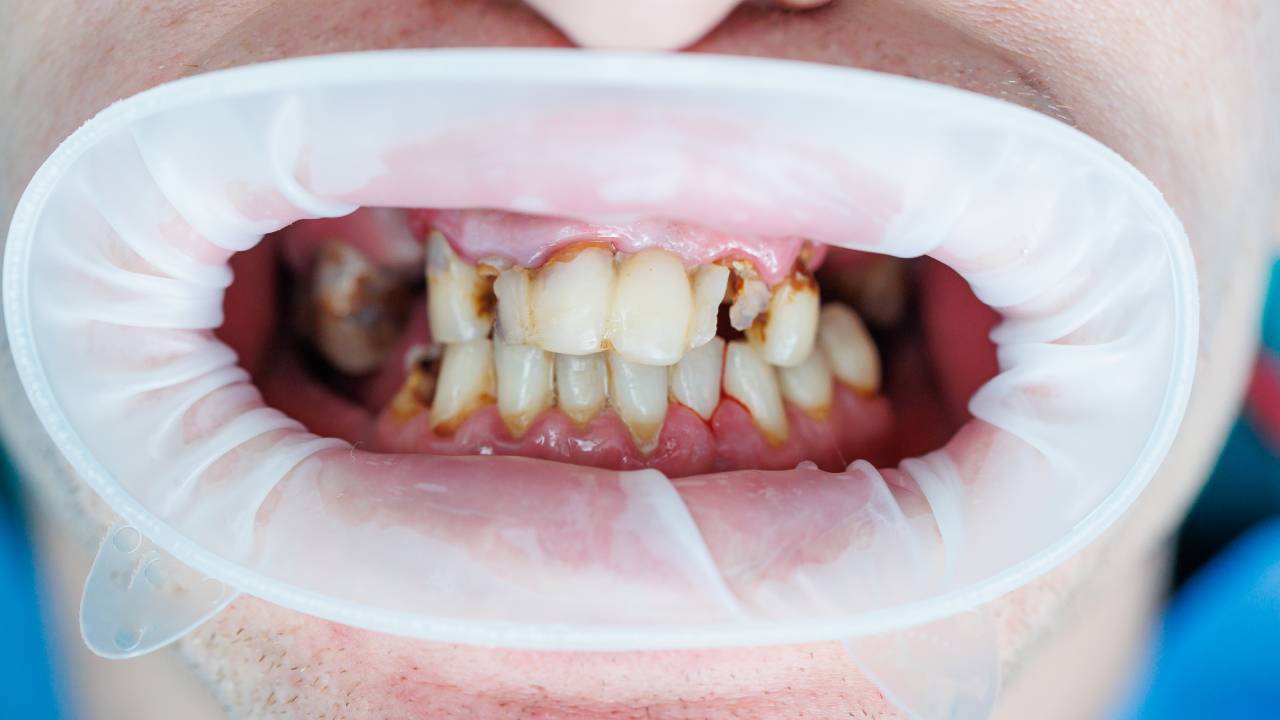
Tooth decay begins when acids from plaque erode enamel, eventually exposing the softer dentin and nerves underneath. You may feel sharp, localized pain when chewing hard foods or even when biting down gently. If you notice this pattern, your dentist will inspect for visible holes and use probes or X-rays to confirm a cavity—schedule a pain when biting tooth dentist visit to address decay early and avoid more extensive treatment [1].
cracked teeth and fractures
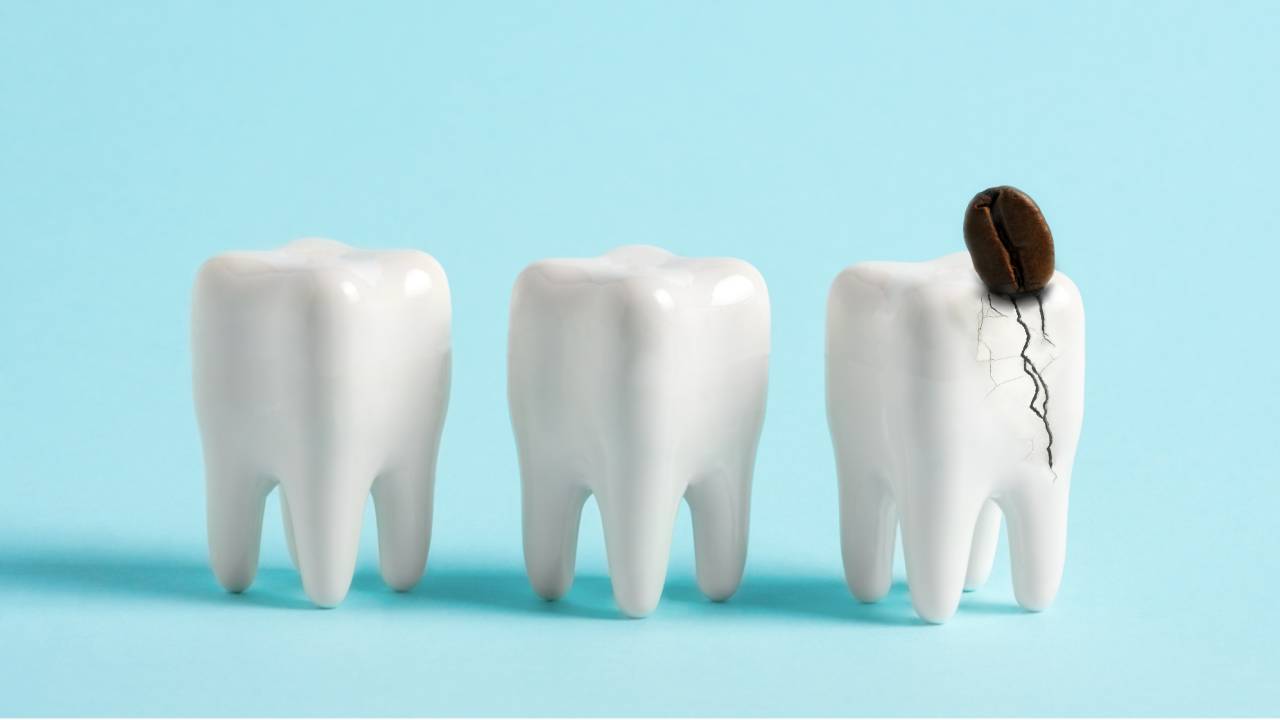
Small cracks or hairline fractures often go undetected on routine X-rays, yet they can cause intermittent pain whenever pressure is applied. You might feel a brief twinge that then subsides, only to reappear with certain bites. Your dentist may use special transillumination tests or bite sticks to isolate the damaged tooth and determine if bonding, a crown, or root canal therapy is necessary [2].
gum disease and root exposure
Advanced gum disease can lead to gum recession, exposing the sensitive roots of your teeth. As the roots lose their protective layer, you may experience dull, throbbing pain when chewing or hot and cold sensitivity. Redness, swelling, and occasional bleeding are common indicators of periodontal issues that require professional cleaning and often scaling and root planing to restore gum health [1].
high restorations and uneven bite
After a filling, crown, or bridge placement, you might notice a persistent ache if the restoration is slightly “high” and alters your bite alignment. This uneven occlusion increases force on that tooth during chewing, leading to soreness once the anesthetic wears off. An occlusal adjustment—shaving down the restoration by a fraction of a millimeter—can quickly resolve this pain [2].
abscesses and infections
A dental abscess forms when bacteria invade the pulp or root tip, causing severe, throbbing pain that often worsens with chewing or pressure. You may notice swelling of the gum or face, and a foul taste if the abscess drains into your mouth. Such infections demand immediate attention, as they can spread to soft tissues or the jawbone—contact a dentist for possible tooth infection right away [1].
why early diagnosis matters
Timely evaluation of tooth pain when chewing by a dental professional can prevent minor issues from becoming emergencies. Persistent tooth pain lasting more than 48 hours and worsening over time may indicate a cavity or dental infection that requires prompt dental evaluation, according to the American Dental Association as noted by Tompkins Dental in Ithaca, NY [3].
Delaying care can turn a simple filling into more invasive procedures such as root canal therapy or even extraction.
By addressing discomfort early, you increase the likelihood of preserving your natural tooth structure and avoiding the risk of infection spreading beyond the tooth. Seeking prompt diagnosis also reduces pain, shortens treatment time, and lowers overall costs.
Early intervention safeguards both your oral health and overall well-being, allowing you to chew and speak without hesitation.
clinical assessment process
A comprehensive clinical assessment lays the foundation for accurate diagnosis and effective treatment planning. During your initial appointment, the dentist will combine a detailed history with hands-on exams and targeted tests to pinpoint the source of your chewing pain.
patient history and symptoms
You will be asked about the onset, duration, and intensity of your pain, as well as any triggers such as hot, cold, or sweet foods. Mention whether the discomfort feels sharp, throbbing, or numbing, and note any swelling or fever. Detailing your oral hygiene routine, medical history, and previous dental work helps the dentist identify risk factors and narrows down potential causes. This information guides the subsequent clinical examination and selection of diagnostic tools [4].
clinical tests
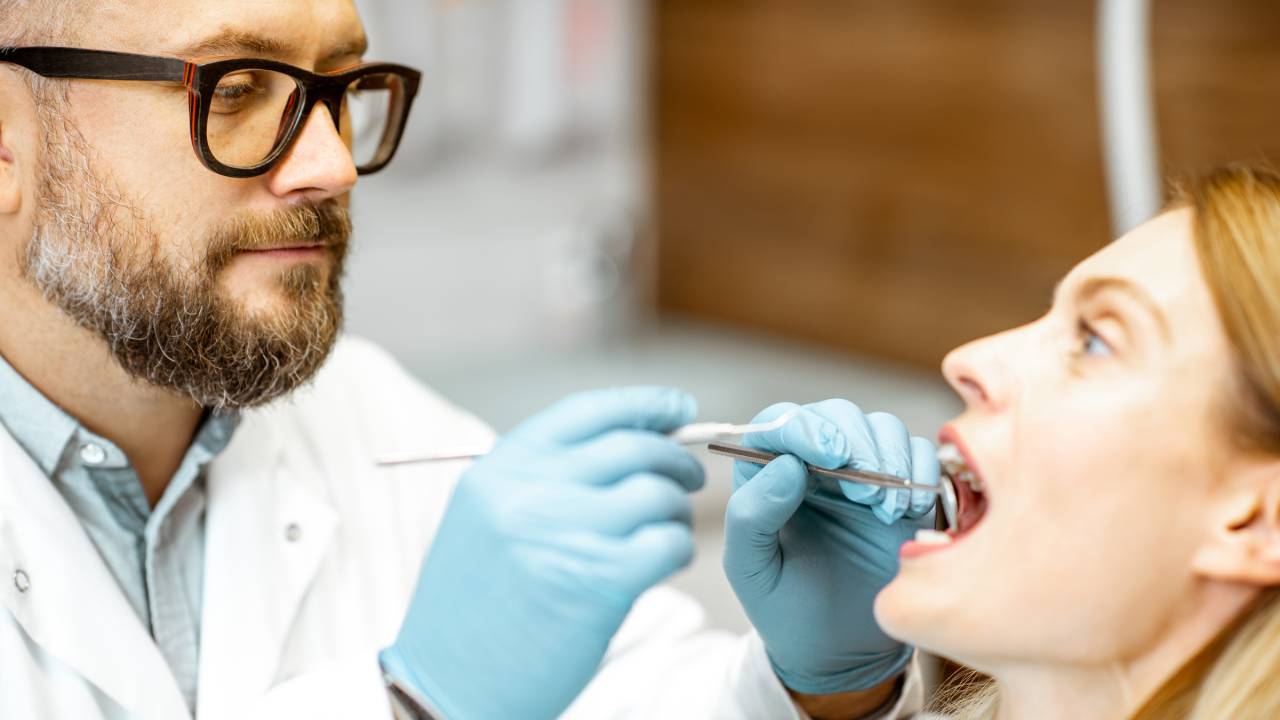
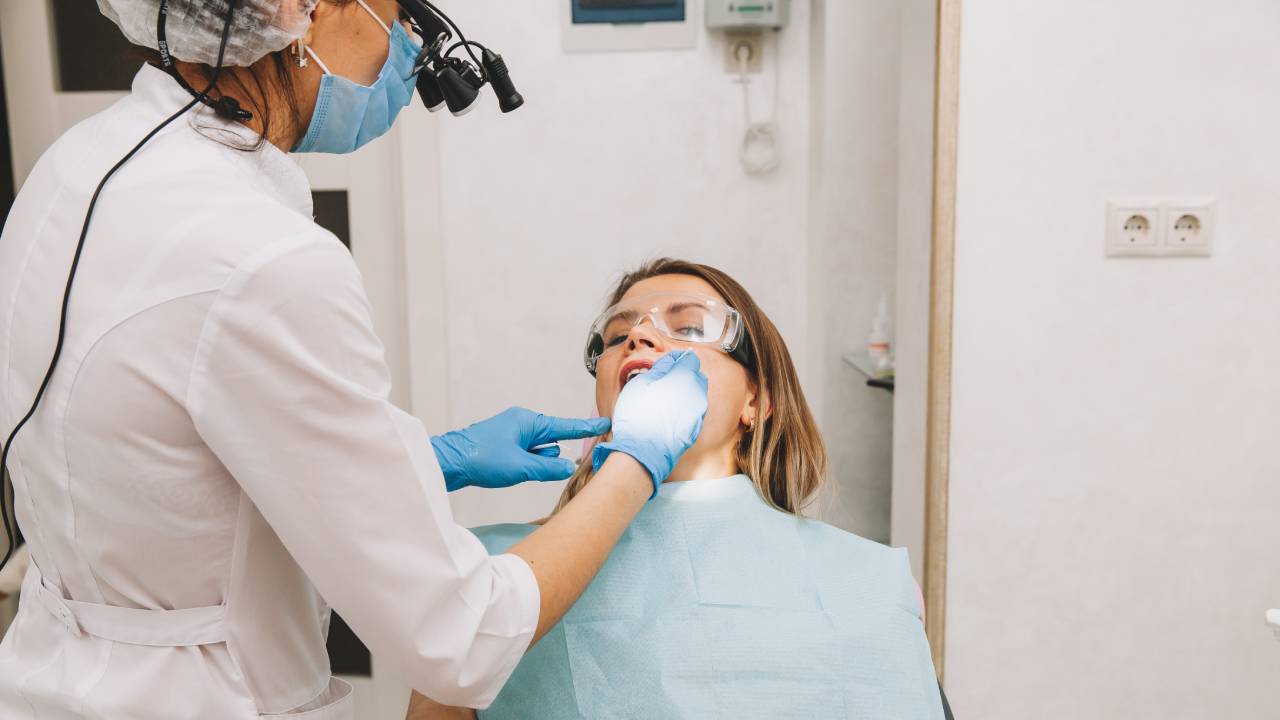
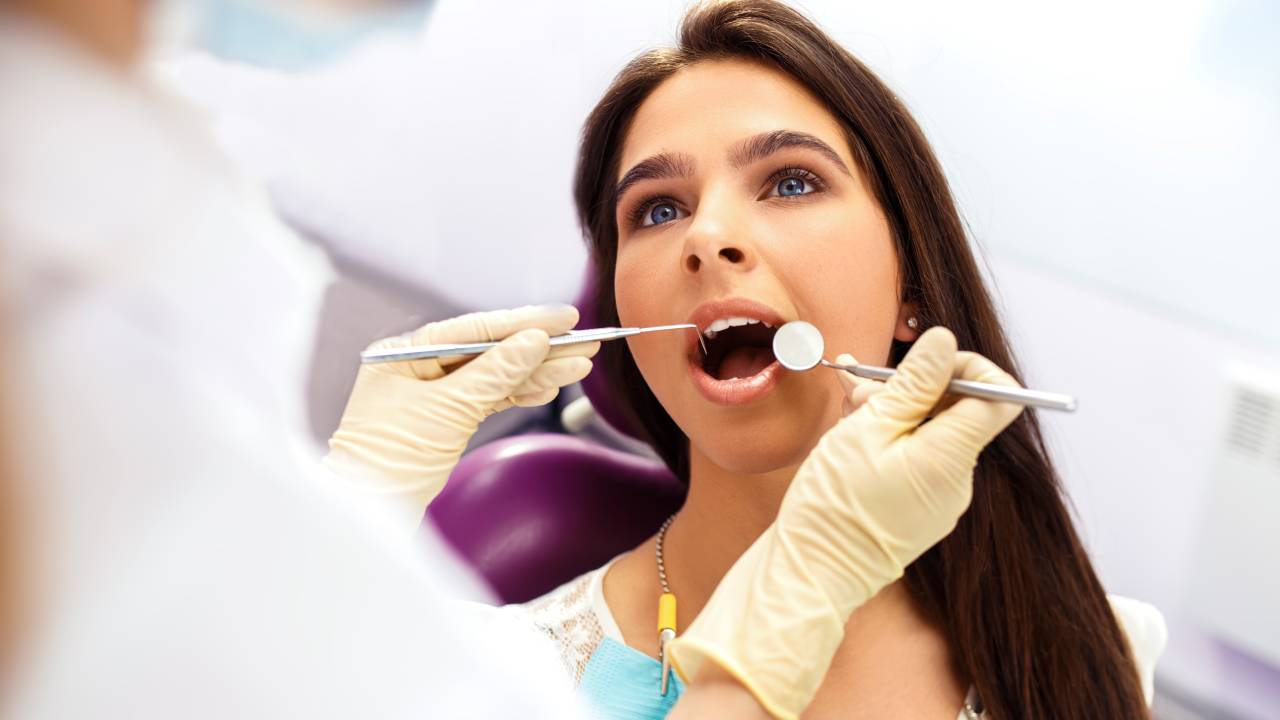
During the physical exam, your dentist will visually inspect teeth and gums for color changes, fractures, and signs of decay. Percussion testing—gently tapping teeth with a dental instrument—can reveal inflammation at the root level. You may be asked to bite on a bite stick or cotton roll to isolate pain to a specific tooth. Sensitivity tests using cold or air can further confirm whether the pulp or nerve is compromised. These targeted tests help distinguish between conditions like cracked teeth, abscesses, or high restorations.
diagnostic imaging tools
Imaging plays a critical role in visualizing issues that are not apparent during a basic exam. Radiographs and advanced scans allow your dentist to see below the surface, revealing hidden decay, root fractures, bone loss, and more. Dentists diagnose the cause of tooth pain during chewing through a physical examination and dental X-rays to detect issues like decay beneath the gums that are not visible externally, according to Cleveland Clinic as of April 2023 [5].
Here is a comparison of common imaging modalities:
| Tool | Uses | Benefits |
|---|---|---|
| Periapical X-ray | Detects root issues, abscesses | Quick exam, low radiation |
| Bitewing X-ray | Shows early interproximal cavities | High resolution for decay |
| Panoramic X-ray | Broad overview of jaws and sinuses | Evaluates jaw pathology |
| CBCT scan | 3D view of teeth, bone structure | Precise detail, multiplanar |
Each tool serves a unique purpose, and your dentist will recommend the appropriate imaging based on your symptoms and exam findings.
treatment planning options
After diagnosis, your dentist will develop a tailored treatment plan to address the root cause of your chewing pain. This plan considers factors such as the extent of damage, risk of infection, and your overall oral health goals.
restorative procedures
For cavities and minor enamel damage, fillings restore tooth integrity and eliminate pain triggers. Composite resin fillings bond directly to the tooth surface, preserving more natural structure. In cases of larger decay or fractures, a dental crown may be recommended to enclose and protect the remaining tooth. These restorative procedures typically require one or two visits and can prevent further breakdown of the tooth.
endodontic therapy
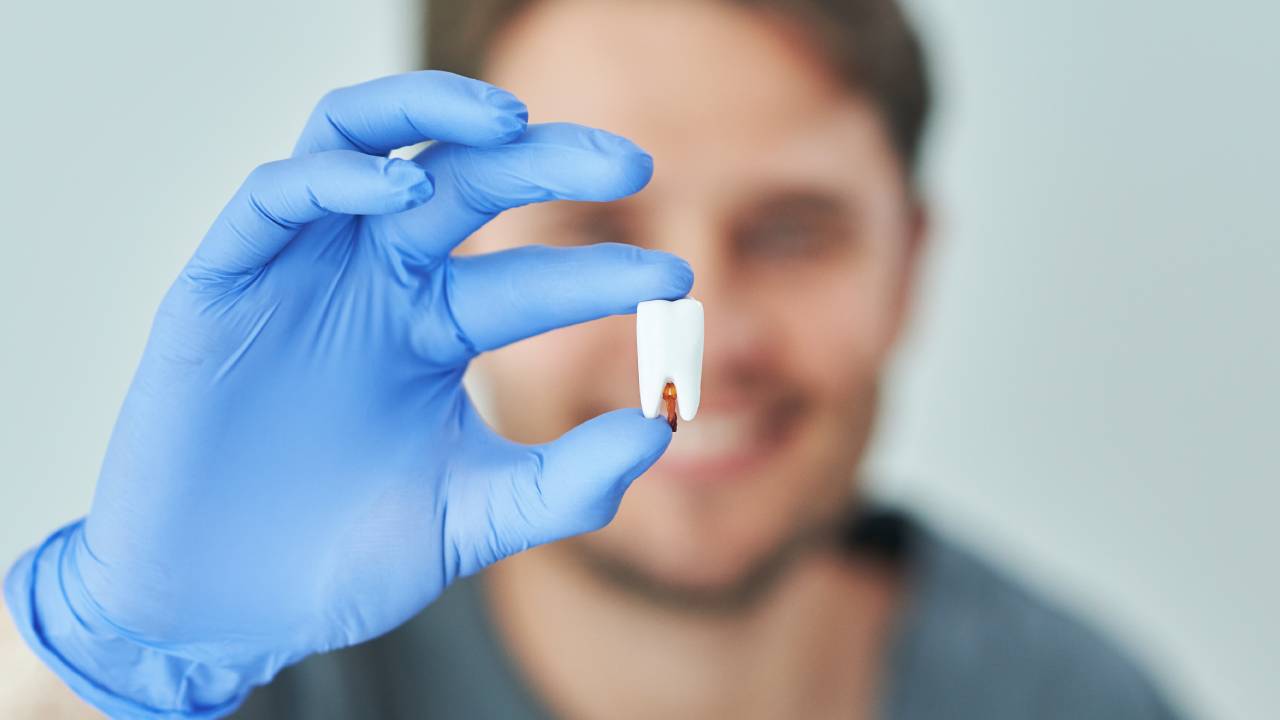
When decay or cracks extend into the pulp, a root canal becomes necessary to remove infected nerve tissue and disinfect the root canals. After the pulp chamber is cleaned and sealed, your dentist often places a crown to reinforce the tooth. Root canal treatment alleviates pain at its source and preserves the tooth that might otherwise need extraction.
occlusal adjustments
If an uneven bite or high restoration is causing your pain, minor adjustments on the restoration or opposing teeth can redistribute biting forces. This process, known as occlusal equilibration, involves carefully reshaping specific areas until your bite feels balanced. Patients often notice immediate relief once the pressure points are smoothed out.
periodontal care
For gum disease related discomfort, periodontal therapy such as scaling and root planing removes plaque and tartar below the gumline. In advanced cases, surgical interventions or localized antibiotic delivery may be necessary. Effective periodontal care not only reduces gum sensitivity but also supports the long-term health of the supporting bone and tissues.
Whether you need a filling, crown, root canal, bite adjustment, or gum treatment, working with your dentist on a comprehensive plan ensures a predictable outcome and reduces the risk of recurrence [6].
preventing future chewing pain
Maintaining good oral hygiene and making smart lifestyle choices are key to preventing chewing-related discomfort. Brush twice daily with fluoride toothpaste and floss once a day to remove plaque before it hardens into tartar.
Avoid biting on hard objects like ice, popcorn kernels, or pen caps, and resist the urge to use teeth as tools. If you grind or clench your teeth at night, ask your dentist about a custom night guard to protect enamel and restorations from undue stress.
Regular dental check-ups and professional cleanings help catch potential problems before they become painful. Consistent preventive care reduces the likelihood of decay, fractures, and gum disease, allowing you to enjoy meals with confidence.
By combining daily habits with routine dental visits, you can minimize the chance of tooth pain when chewing and maintain a healthy, comfortable smile for years to come.