Why consultation matters
Suffering tooth loss can feel overwhelming, but scheduling a visit with a tooth replacement consultation dentist is the first step toward restoring your smile’s function and appearance. When you meet with a specialist, you’re not simply discussing options—you’re setting the foundation for long-term oral health. Early evaluation allows your dentist to gauge bone health, bite stability, and the impact on surrounding teeth and tissues, helping prevent complications such as shifting teeth or jaw collapse. If you delay seeking professional guidance, you risk bone resorption and misaligned bites that could make future treatments more complex and costly.
By prioritizing an evaluation for tooth replacement, you ensure that your personalized treatment plan addresses all aspects of tooth loss. Your dentist will tailor recommendations based on your oral anatomy, lifestyle, and aesthetic goals. In many cases, acting early can preserve more of your natural bone structure, minimize the need for grafting procedures, and improve long-term outcomes. Ultimately, a thorough consultation empowers you with the knowledge to choose the best path forward for restoring chewing ability and maintaining a stable, confident smile.
Preparing for your visit
A successful consultation starts before you even step into the office. Begin by gathering any dental records you have, including X-rays, past treatment summaries, and a list of medications or medical conditions. This information gives your dentist a clear picture of factors that could influence your candidacy for various replacement options. Next, make note of your primary concerns—whether it’s restoring your chewing strength, filling a visible gap, or preventing adjacent teeth from drifting.
When you call to schedule, mention that you’re seeking a dentist consultation for tooth loss so the practice can allocate adequate time for a comprehensive visit. Consider jotting down questions in advance: What type of sedation is available? How long will the process take? What preliminary treatments might be required? Arriving prepared helps you gain confidence in your choices and maximizes the value of your appointment.
Conducting your dental evaluation
A thorough examination by a tooth replacement consultation dentist involves several key steps. Your goal is to understand every factor that could affect your future restoration, from medical history to functional testing.
Reviewing your medical history
Your dentist will begin by exploring your overall health. Chronic conditions like diabetes or osteoporosis can influence healing, while medications such as blood thinners may require special management during surgery. If you’ve had radiation therapy or prior grafting, those details also shape the treatment timeline. An accurate tooth loss treatment consultation ensures that your plan accounts for these variables, reducing the risk of complications.
Imaging for bone health
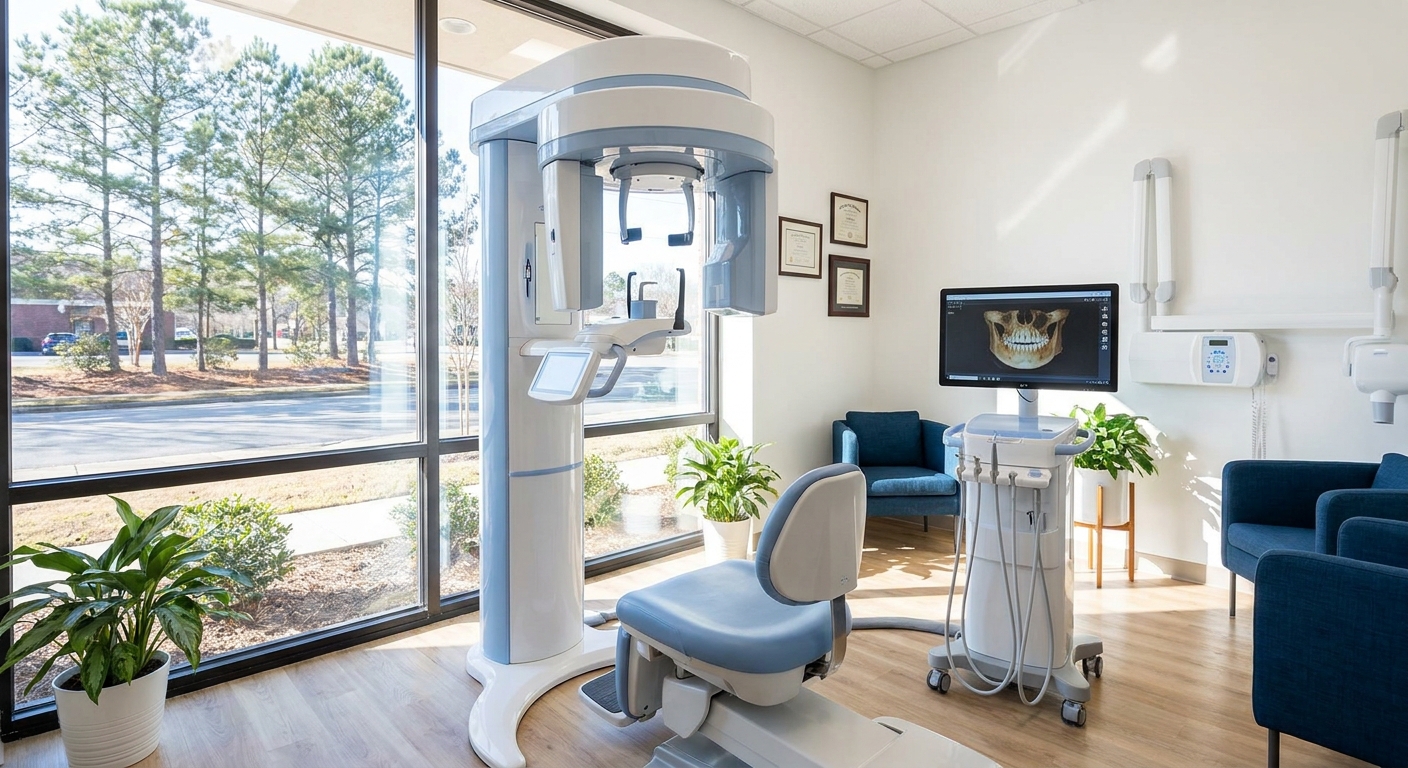
Next comes imaging—usually digital X-rays or 3D cone-beam CT scans—to evaluate jawbone density and volume. These scans reveal whether you have sufficient bone to support implants or if you’ll need a bone graft first. In cases where bone loss is advanced, early detection through imaging can help you explore graft options before the ridge deteriorates further [1].
Checking bite stability
Missing teeth can cause your bite to shift, leading to uneven force distribution and jaw discomfort. Your dentist will assess your occlusion—how your upper and lower teeth come together—often with articulating paper or digital scanning. Identifying early signs of bite collapse helps your provider recommend interventions that preserve jaw health and function. If you’ve noticed changes in your chewing pattern or jaw clicking, this step is crucial. Learn more about managing this issue with a dentist for bite collapse from missing teeth.
Testing oral function
Finally, your dentist evaluates your ability to chew, speak, and maintain saliva control. This may involve simple tasks like biting on test materials or actual foods under supervision. Observing your comfort and efficiency during these activities highlights areas needing attention—whether that’s muscle conditioning, periodontal health, or prosthetic design tweaks. A specialist in dentist for restoring chewing ability works to ensure that your final replacement not only looks natural but performs seamlessly in daily life.
Reviewing replacement options
Once the evaluation is complete, you’ll explore which tooth replacement methods align with your goals. Modern dentistry offers a spectrum of solutions, each with unique benefits and considerations. According to Laurich Dentistry, options such as implants, bridges, and dentures restore missing teeth while preventing shifting and preserving bite alignment [2]. Below is a comparison of the most common paths:
| Option | Description | Benefits | Considerations |
|---|---|---|---|
| Dental implants | Titanium posts fused to jawbone via osseointegration, topped with custom crowns [3] | Permanent stability, natural feel, preserves bone | $3,000–$6,000 per implant; requires surgery [2] |
| Fixed dental bridge | Artificial teeth anchored to adjacent natural teeth or implants, reshaping abutments [3] | No implants needed, shorter timeline | Alters healthy teeth, cleaning beneath daily required |
| Snap-in dentures | Removable prosthesis that snaps onto two to four implants for added stability [3] | Improved comfort over traditional dentures, cost effective | Requires implant placement, periodic maintenance |
| All-on-4® | Full-arch prosthesis supported by only four implants angled for maximum support [3] | Immediate temporary teeth, often avoids grafts | Not suitable for everyone, high initial investment |
Each of these approaches can be customized in terms of materials, number of units, and soft-tissue management. Discussing your lifestyle—dietary habits, activity level, aesthetic preferences—with a replacement options for missing teeth dentist ensures you select the solution that meets both functional and cosmetic goals.
Creating your treatment plan
After identifying the right option, your dentist will map out every step from preparatory procedures to final restoration. This plan typically covers:
- Timeline: The total duration, including healing phases and follow-up visits.
- Preparatory work: Extractions, bone grafts, or gum health therapy if necessary.
- Surgical protocols: Sedation options, implant placement technique, and postoperative care.
- Prosthetic schedule: Designing, adjusting, and delivering custom crowns, bridges, or dentures.
- Financial overview: Detailed cost breakdown, insurance compatibility, and financing plans.
Collaborating with a dentist for long term tooth replacement means you’ll have clarity around scheduling and budgeting from the start. Transparent communication about next steps, potential bottlenecks, and success metrics builds confidence and ensures you remain an active participant in your care.
Benefits of early planning
Waiting too long to address missing teeth can lead to a cascade of challenges—bone loss, misalignment, even changes in facial structure. By engaging in early planning, you gain tangible advantages:
- You preserve natural bone, reducing or eliminating the need for extensive grafting.
- You maintain proper bite forces, preventing uneven wear on remaining teeth.
- You secure better cosmetic results, as optimal ridge volume and gum contours support lifelike restorations.
- You avoid rushed decisions, allowing time to compare materials, techniques, and payment options.
Early intervention isn’t just a cosmetic consideration, it’s your best defense against progressive oral health issues.
An early meeting with a functional tooth replacement dentist sets the stage for smoother procedures and more predictable outcomes. Pair that with the right support from a dentist for smile restoration planning, and you’ll minimize surprises, stress, and additional procedures down the line.
Achieving long-term success
Your journey doesn’t end once your new teeth are in place. Consistent maintenance and regular checkups are essential for preserving the health and function of your restoration. Adhere to these key practices:
- Maintain excellent oral hygiene with brushing, flossing, and any special tools recommended by your dentist.
- Attend periodic evaluations to check implant stability, bridge integrity, or denture fit.
- Report any discomfort, looseness, or changes in bite immediately to prevent small issues from becoming major repairs.
- Follow dietary guidance, especially during initial healing phases, to protect grafts and encourage osseointegration.
Working with a dedicated dentist for missing teeth keeps your team engaged in your smile’s ongoing health. Over time, you’ll build a partnership that adapts as your needs evolve, ensuring your tooth replacement not only looks great but stands the test of time. By choosing a consultation that values planning, precision, and patient-centered care, you save your smile and safeguard your oral well-being for years to come.