Understanding tooth damage
When you notice a crack, chip, or persistent sensitivity in a tooth, you need a tooth structure damage dentist who can accurately diagnose the problem and restore your oral health. Early recognition of structural damage is crucial to prevent further deterioration and complex treatments down the road. In this guide, you will learn how your dentist evaluates fractures, enamel wear, and trauma, designs a treatment plan focused on long-term preservation, and selects restoration methods that balance strength with tooth conservation.
Structural damage isn’t just a cosmetic concern. Even minor cracks or weakened enamel can alter your bite, allow bacteria to infiltrate deeper layers, and lead to infection. Your dentist’s goal is to halt this progression and return your tooth to full function.
Role of a damage dentist
A specialist in tooth structure damage brings targeted expertise in diagnosing subtle signs of harm, from hairline fractures to worn enamel surfaces. During your visit, your dentist will evaluate your chewing patterns, examine existing restorations, and consider any history of trauma. This focused approach ensures that no hidden damage goes unnoticed and that you receive a treatment plan tailored to your needs.
Why early evaluation matters
Untreated cracks or erosion may not hurt at first, but they can escalate quickly. When a tooth is left damaged, adjacent teeth may shift into the gap, causing crooked bites, speech difficulties, and jaw pain [1]. Over time, bacteria exploit weakened enamel and dentin, leading to advanced decay and infection that can require extraction or root canal therapy.
By seeking a prompt assessment, you protect your natural tooth structure and avoid more invasive—and expensive—procedures later on.
Identifying damage types
Structural issues in your teeth can arise from a variety of sources. Recognizing the type of damage helps your dentist choose the right diagnostic tools and treatments.
Fractured teeth
A fractured tooth often presents as sharp pain when you bite down or extreme sensitivity to temperature. You might feel a piece of enamel break off while eating. In some cases, the crack is visible; in others, it lies below the gum line, causing vague discomfort that radiates to surrounding teeth. If you suspect a crack, your dentist for a fractured tooth dentist appointment will pinpoint the extent of the fracture and recommend timely repair.
Worn and weakened enamel
Over time, abrasive tooth brushing, acidic foods, and grinding (bruxism) wear away your enamel, exposing dentin and making your teeth vulnerable. You may notice smooth, flattened surfaces, increased translucency at the incisal edges, or yellowing as the underlying dentin shows through. For evaluation of generalized enamel loss, you can consult a dentist for worn teeth or a dentist for weakened teeth.
Trauma-related damage
A blow to the face or biting into something hard can chip or dislodge part of your tooth. Even if the chip seems minor, the inner layers may have microfractures. Dentists trained in dentist for tooth trauma evaluation will look for subtle cracks, loose fragments, or damage below the gum line. Prompt treatment often spares the tooth from further complications.
Assessing structural issues
Your dentist combines manual examination with advanced imaging and specialized tests to map out every crack and wear pattern.
Clinical examination
First, your dentist inspects each tooth under bright light, checking for visible defects, rough edges, or discoloration. A sharp explorer gently probes the enamel to detect soft spots or grass-like cracks. You’ll be asked to bite on certain instruments to reproduce symptoms of a crack under pressure. This hands-on assessment, often led by a tooth damage assessment dentist, guides the next steps.
Diagnostic imaging
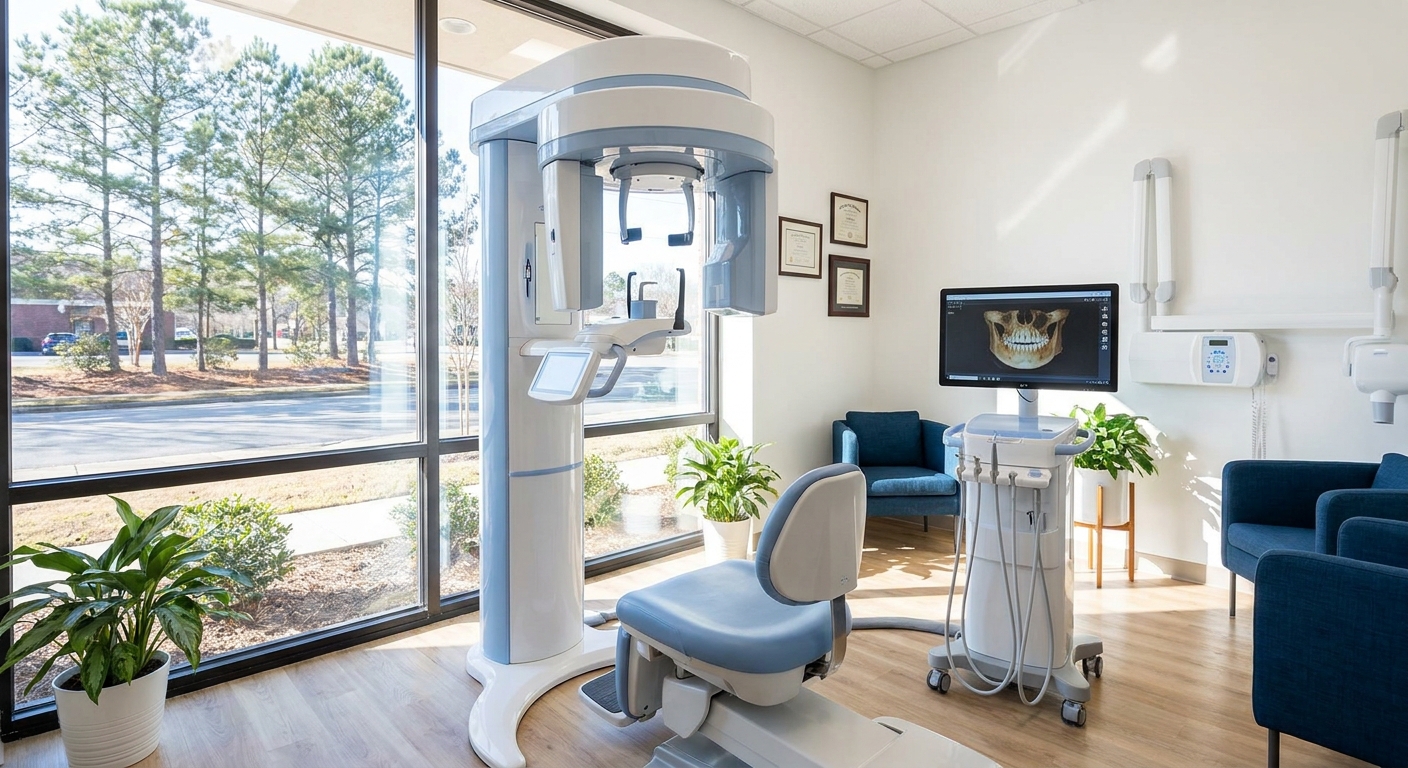
X-rays remain a cornerstone of dental diagnosis, revealing decay beneath the surface and root involvement. In complex cases, three-dimensional CBCT scans show hidden fractures and the relationship between your tooth and surrounding bone. These images confirm whether the damage is limited to enamel, involves the pulp, or extends into the root.
Specialized diagnostic techniques
When a crack is small or elusive, your dentist may employ:
- Transillumination, shining a bright light through the tooth to highlight fracture lines
- Dye tests, applying a colored solution that seeps into cracks and makes them visible
- Bite tests using instruments such as the Tooth Slooth II to isolate painful areas
- Magnification with dental loupes or an operating microscope for detailed inspection
These methods, supported by research in the detection of cracked tooth syndrome [2], ensure that even minute damage doesn’t go untreated.
Planning restorative treatment
Once your dentist has mapped the damage, you’ll collaborate on a plan that restores function, relieves discomfort, and preserves as much natural tooth as possible.
Defining treatment goals
Your primary objectives are to eliminate pain, prevent infection, and maintain structural integrity. Your dentist may also discuss aesthetic considerations, but the focus remains on functional stability—ensuring your bite feels comfortable and the repaired tooth can withstand daily forces.
Preserving tooth structure
Modern restorative philosophy emphasizes minimally invasive techniques. Your dentist will remove only compromised tissue, using adhesive materials and precise preparation to retain healthy tooth substance. This biomimetic approach supports long-term resilience and reduces the risk of future fractures.
Choosing restorative materials
Selecting the right material is crucial. Composite resins bond directly to tooth surfaces, preserving structure and offering repair in a single appointment. Ceramic and porcelain options provide superior aesthetics and wear resistance for areas under heavy load. Your dentist will weigh factors such as location, extent of damage, and bite dynamics to recommend the ideal solution.
Exploring restoration options
Your dentist will describe direct and indirect restoration methods, comparing their benefits and typical applications.
| Restoration type | Description | Typical use case |
|---|---|---|
| Composite fillings | Tooth-colored resin applied and shaped directly in the mouth, then cured with UV or laser | Small cavities, minor chips, bonding |
| Dental bonding | Adhesive putty sculpted to repair small fractures, discoloration, and gaps | Repairing chipped edges, cosmetic contouring |
| Inlays and onlays | Lab-fabricated restorations that fit into or onto the tooth surface, cemented in place | Moderate decay or damage where direct filling is insufficient |
| Dental crowns | Caps that cover the entire outer surface of a tooth, restoring form and function | Large fractures, severe wear, root canal-treated teeth |
| Post-and-core build-up | Internal support structure for teeth with significant loss of tooth tissue | Teeth with deep fractures or after root canal therapy |
Direct dental restorations
Composite fillings and dental bonding excel when damage is limited to enamel or shallow dentin. By matching the shade of your natural tooth, these materials blend seamlessly and require minimal removal of healthy structure. Direct restorations are typically completed in one visit, making them convenient and cost-effective.
Indirect restorations
When damage is more extensive, inlays, onlays, and crowns crafted in a dental laboratory offer superior strength and longevity. Inlays fit within the cusp walls, onlays extend over one or more cusps, and crowns encapsulate the entire tooth. For complex cases, you will be referred to a damaged tooth treatment dentist who partners with skilled dental labs to ensure precise fit and occlusion.
Inlays and onlays
Inlays and onlays require two appointments. After your tooth is prepared and impressions are taken, a temporary restoration protects the site. Once the custom piece arrives, your dentist cements it with strong bonding agents, restoring structural integrity and conserving more natural tooth compared to a full crown [3].
Crowns
Crowns are the most comprehensive restorative option. Your dentist will remove a thin layer of healthy enamel to create space for the crown, ensuring proper bite alignment. Crowns excel at distributing chewing forces evenly, protecting weakened teeth from further damage.
Advanced restorative therapies
If damage extends into the pulp chamber, root canal therapy may be necessary. After removing infected tissue, your dentist seals the canals and typically places a crown to strengthen the tooth. For teeth lost to irreparable damage, implants and dentures offer replacement options that stimulate bone health and prevent jawbone loss [1].
Maintaining tooth health
Restoration is only the first step. To ensure the longevity of your repaired teeth, you must adopt preventive habits and schedule ongoing evaluations.
Daily oral care
Brushing twice a day with a fluoride toothpaste and flossing daily remove plaque that accelerates wear and decay. Consider an electric toothbrush for more consistent cleaning and an interdental brush to reach tight spaces.
Protective habits
If you grind your teeth at night, a custom night guard prevents excessive wear. Avoid biting on hard objects like ice or pens, and limit acidic snacks that erode enamel. These simple adjustments reduce stress on both restored and natural teeth.
Regular dental visits
Routine check-ups allow your dentist to monitor restorations, catch emerging cracks early, and address wear before it becomes serious. Follow-up exams every six months—or more frequently if recommended—keep you on track for lasting oral health.
By understanding the full scope of assessment and restoration, you empower yourself to make informed choices about your dental care. A tooth structure damage dentist combines meticulous diagnosis with conservative treatment planning, safeguarding your smile and bite for years to come.