Unexplained tooth pain can feel unsettling, especially when you can’t pinpoint the source or the discomfort won’t let up. When your toothache won’t go away, even after home remedies, your dentist wants you to know that early evaluation is the key to protecting your smile and preventing more complex problems. By understanding how dental professionals assess and diagnose pain when biting, chewing, or under pressure, you’ll be better equipped to seek timely care and avoid emergencies.
From cavities and cracked teeth to sinus issues and nerve disorders, the root causes of unexplained tooth pain vary widely. Your dentist uses a combination of clinical assessment, imaging, and targeted tests to pinpoint what’s happening beneath the surface. This article walks you through what to expect during a diagnostic visit, why certain symptoms raise red flags, and how treatment plans are tailored to give you relief as quickly as possible.
Understanding unexplained pain
When you say your tooth hurts “for no reason,” it’s often a sign that something deeper is going on. Unexplained tooth pain may stem from dental conditions you haven’t noticed—like a hairline fracture—or from non-dental sources such as sinus congestion or jaw joint disorders. Ignoring persistent discomfort can let minor issues evolve into severe infections or structural damage.
Your dentist approaches unexplained tooth pain systematically. First, a thorough conversation about your symptoms—onset, duration, triggers—helps frame the possible causes. Then a gentle clinical exam narrows down the candidates. Even if nothing shows on the surface, advanced diagnostic tools can reveal hidden problems before they worsen.
Exploring potential causes
To make sense of your discomfort, it helps to group your pain into dental versus non-dental origins. Below is a quick reference to common culprits, key symptoms, and recommended next steps to take with your dental professional.
| Possible cause | Key symptom | Next step |
|---|---|---|
| Cavity or hairline crack | Localized sharp pain, worse on biting | Visit a persistent toothache dentist for clinical evaluation |
| Exposed dentin from enamel erosion | Sensitivity lasting more than 30 seconds to hot or cold | Schedule a sensitivity pain dentist evaluation |
| Sinusitis or sinus pressure | Dull ache across upper molars, nasal congestion | Seek exam for ENT referral; consider decongestants before dental work |
| Bruxism or TMJ disorders | Widespread jaw ache, morning soreness | Consult a jaw pain related to tooth dentist |
| Neuropathic pain (trigeminal neuralgia) | Electric shock-like bursts, often unilateral | Evaluation by dentist for nerve pain tooth |
| Chronic atypical odontalgia | Constant throbbing not relieved by local anesthetic | Pain management specialist consultation, often on medication like amitriptyline [1] |
Dental origins
Decay, fractures, gum recession, and loose restorations top the list of dental reasons for unexplained tooth pain. Cavities may grow beneath intact enamel, causing deep discomfort without visible spots. Tiny cracks in enamel can flex under chewing forces, producing sharp pains that vanish as quickly as they appear. Meanwhile, receding gums expose dentin’s open tubules, triggering lingering sensitivity to temperature extremes or sweet foods.
Non-dental origins
Not all toothaches originate in the mouth. Sinus infections often masquerade as upper molar pain when congestion presses against nerve endings [2]. Temporomandibular joint disorders and bruxism can cause referred pain that feels dental in nature. In rare cases, chronic nerve conditions like trigeminal neuralgia send electric shock-like bursts through your jaw and teeth.
Identifying warning signs
Not every twinge requires emergency care, but certain red flags mean you should see your dentist right away. Intense or persistent pain that lasts beyond a few days, even if it comes and goes, rarely resolves on its own [2]. Pain accompanied by swelling, fever, or chills may signal a spreading infection and warrants immediate attention, as dental infections can extend to surrounding tissues or enter your bloodstream [3].
Additionally, if you experience sharp pain when chewing or biting, it could indicate a cracked tooth or loose filling that requires timely repair. Sudden throbbing without an obvious cause, or sensitivity lasting more than 30 seconds after removing a hot or cold stimulus, should prompt a professional evaluation rather than continued home management [4].
Assessing pain clinically
Your first step is a comprehensive symptom review and medical history. Your dentist will ask:
- When did the pain start, and how has it changed?
- Which foods, temperatures, or activities trigger or relieve it?
- Have you noticed any swelling, bleeding, or bad taste?
Armed with that information, the clinical exam includes gentle palpation of teeth and gums, percussion tests (tapping on teeth to elicit pain), and bite pressure assessments. If biting down causes a sharp, localized pain, you may be referred for a pain when biting tooth dentist consultation. Discomfort when chewing broadly could point toward an underlying infection or cracked restoration—ideal for a tooth pain when chewing dentist visit.
Through careful examination of gum health, tooth mobility, and restorative integrity, your dentist narrows the field of potential issues before ordering targeted imaging or specialist referrals.
Using imaging and tests
Beyond the clinical exam, diagnostic tools illuminate hidden problems:
X-rays and 3D scans
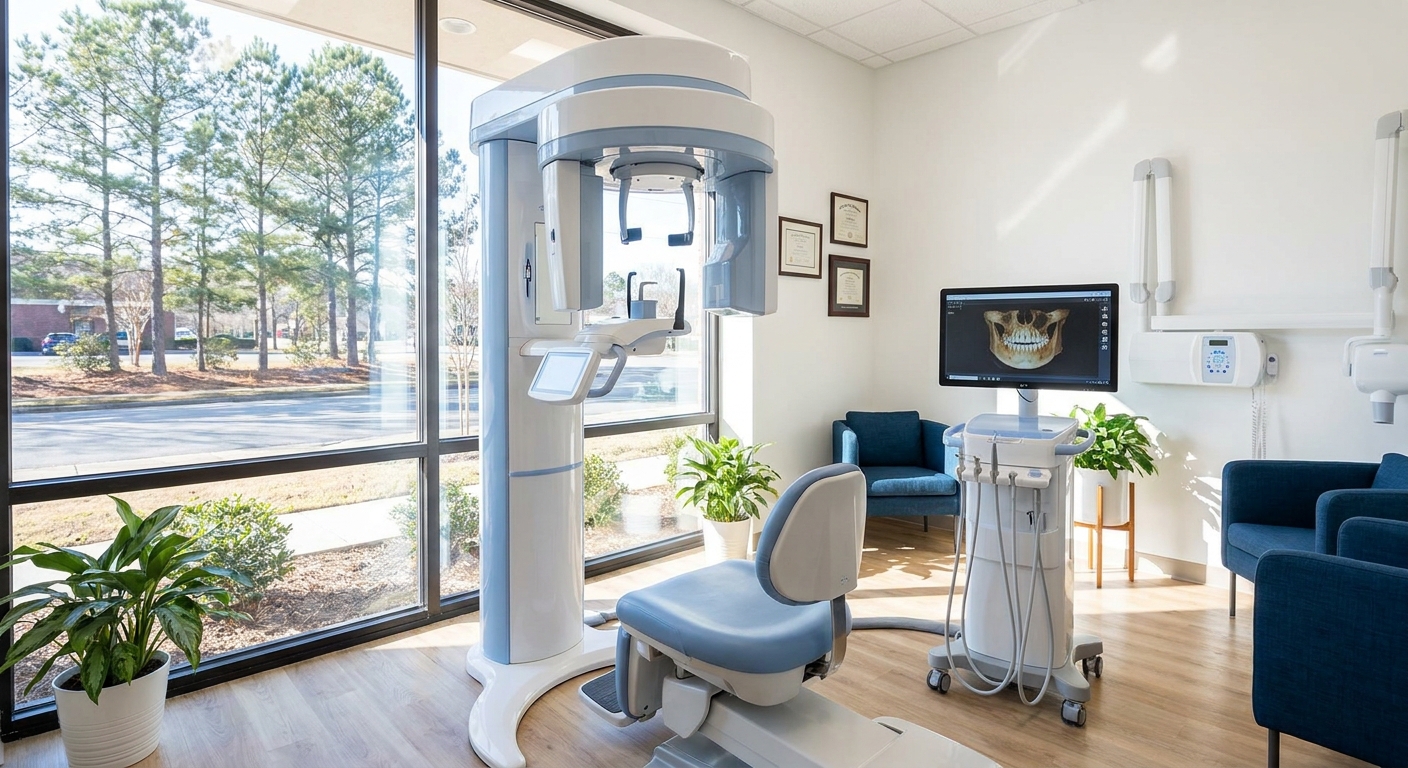
Periapical and bitewing X-rays provide clear views of tooth roots, decay under crowns, and bone levels. For more complex cases—such as suspected root fractures or impacted wisdom teeth—a cone beam computed tomography (CBCT) scan offers three-dimensional detail that traditional X-rays cannot.
Other diagnostic tools
Pulp vitality tests involve applying cold or heat stimuli to gauge nerve response. Electronic pulp testers can further assess nerve health when you report lingering sensitivity. In cases of suspected gum disease, periodontal probing measures the depth of gum pockets to identify infection.
These combined tests guide your dentist toward an accurate diagnosis, ensuring that the treatment plan you receive is both precise and minimally invasive.
Crafting treatment plans
Once the cause of your unexplained tooth pain is clear, your dentist tailors a treatment plan that balances immediate relief with long-term oral health.
Early interventions
If sensitivity from exposed dentin is the issue, your dentist may recommend desensitizing agents, fluoride varnishes, or a custom night guard to prevent enamel wear from bruxism. Small cavities can often be addressed with minimally invasive fillings or inlays, and adjustments to a high restoration can relieve bite-related pain.
Advanced treatments
For deep decay or infection, a root canal may be necessary to remove inflamed pulp and preserve the natural tooth. Cracked teeth sometimes require crowns to restore strength and prevent further fracture. In cases of severe infection where the tooth cannot be saved, extraction followed by implant or bridge placement ensures function and aesthetics.
Your dentist for possible tooth infection symptoms (/dentist-for-possible-tooth-infection) will explain each option, outlining risks, benefits, and expected recovery, so you can make informed decisions about your care.
Preventing emergency situations
Timely diagnosis and treatment of unexplained tooth pain drastically reduce the risk of dental emergencies. An untreated abscess can spread infection to facial tissues or even the brain, while unchecked gum disease may lead to tooth loss and systemic health issues. By addressing warning signs early, you preserve natural tooth structure and minimize the need for extensive procedures [2].
Even if you’ve tried over-the-counter pain relievers or home remedies like saltwater rinses, persistent pain indicates it’s time for professional care. Proactive dental visits catch minor issues before they escalate, saving you time, discomfort, and potentially high out-of-pocket costs.
Scheduling your evaluation
If you’re experiencing unexplained tooth pain, don’t wait for it to worsen. Scheduling a dental pain assessment appointment gives your dentist the chance to diagnose the issue before it becomes an emergency. During this visit, you can expect a comprehensive exam, discussion of your symptoms, and any imaging necessary to reach a clear diagnosis.
Taking this step protects not only your teeth but also your overall health. By understanding what your dentist looks for and why, you’ll feel confident in seeking care early—and you’ll be on your way to lasting relief and restored comfort.