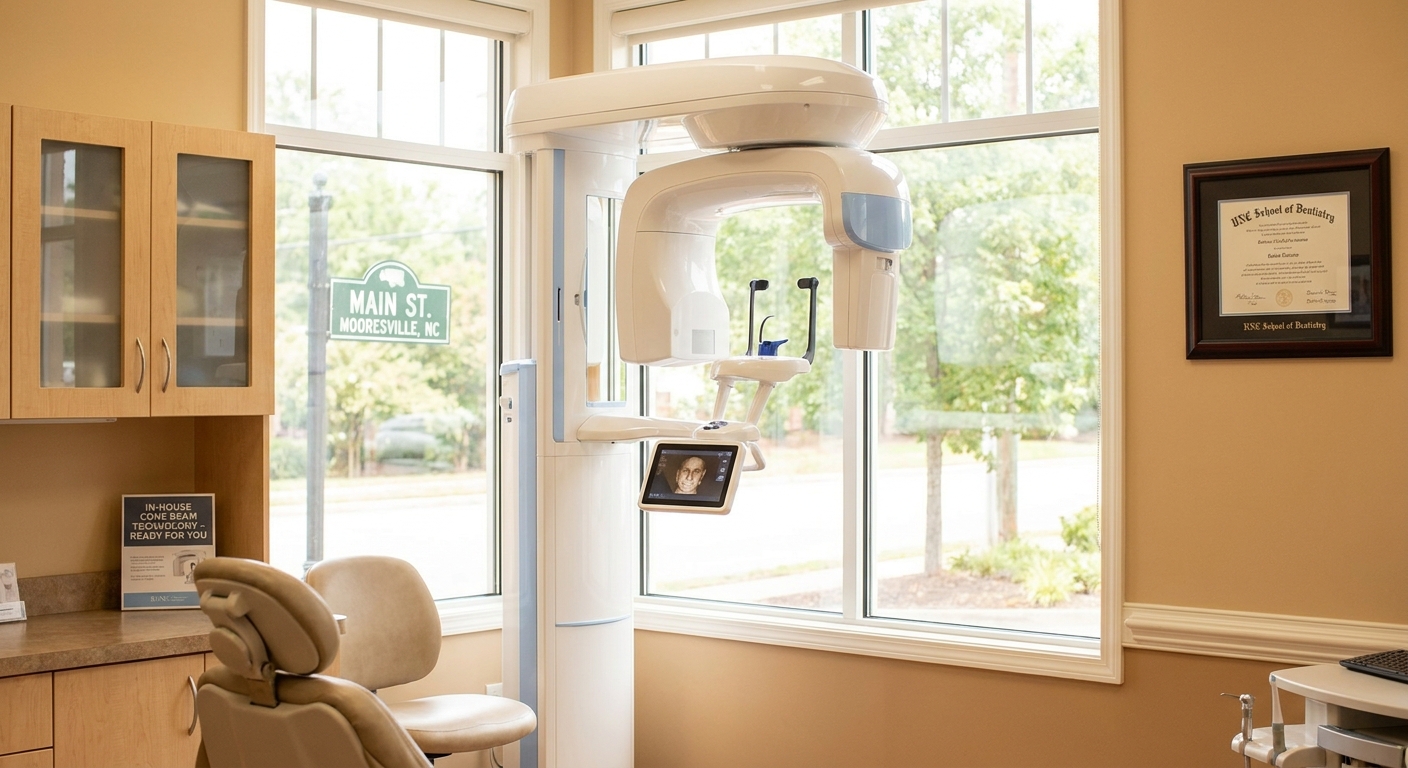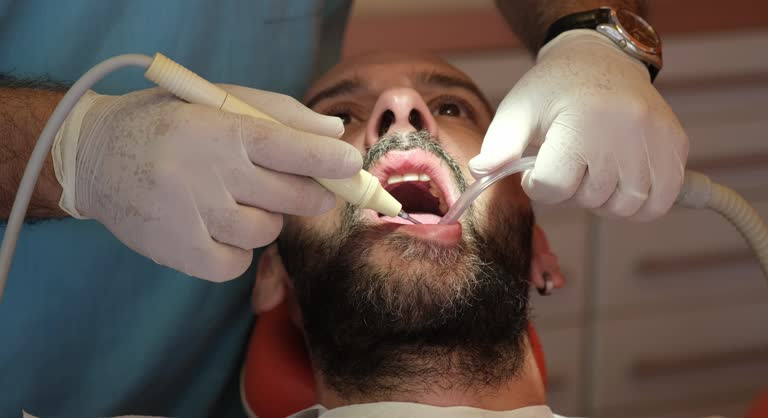
Root canals are a common dental treatment designed to save damaged or infected teeth, but one of the most frequent questions patients ask is, “How long does a root canal last?”
This question makes sense, given the importance of preserving your teeth for long-term health and functionality.
In this River’s Edge Dental article, we will explore how long root canals last, what influences their lifespan, and what you can do to help extend their durability.
Understanding Root Canals
Before answering how long a root canal lasts, it’s essential to understand what a root canal is and why it’s needed in the first place. A root canal is a treatment used to repair and save a tooth that is badly decayed or infected.
This treatment involves removing the infected pulp inside the tooth, cleaning the space, and then sealing it to prevent further issues.
What is a Root Canal?
A root canal is necessary when the soft tissue inside the tooth (the pulp) becomes inflamed or infected, often due to deep decay or trauma. The treatment allows the dentist to remove the infected tissue, effectively “saving” the tooth from extraction.
The Basics of Root Canal Treatment
During the root canal treatment, we will removes the infected pulp, clean out the root canals, and fill them with a material designed to seal the space. This prevents bacteria from re-entering and causing further infection.
Afterward, the tooth is often crowned for additional protection.
When a Root Canal is Necessary
A root canal may be required if you experience severe tooth pain, sensitivity to hot and cold, or swelling near the affected tooth. If left untreated, the infection can spread, leading to more severe health complications.
The Purpose of a Root Canal
Root canals are a vital treatment aimed at preserving the tooth and maintaining your oral health. Let’s look at the specific reasons why root canals are performed.
Treating Infections in the Tooth Pulp
The primary purpose of a root canal is to eliminate infection in the tooth pulp. When bacteria invade the pulp, it can lead to abscesses, severe pain, and swelling. By performing a root canal, your dentist removes the infected tissue and cleans the area, stopping the infection from spreading.
Saving a Tooth from Extraction
Another essential purpose of a root canal is to avoid extraction. While it may seem easier to simply pull the tooth, a root canal can preserve your natural tooth, allowing you to keep your smile intact and maintain your bite and jaw function.
How Root Canals Are Performed
Step-by-Step Overview of the Treatment
A root canal typically involves several key steps:
- Initial Consultation: The dentist will take X-rays to assess the extent of the infection.
- Anesthesia: Local anesthesia is administered to numb the area.
- Accessing the Tooth: The dentist creates a small hole in the tooth to access the pulp.
- Cleaning: The infected pulp is removed, and the canals are cleaned and shaped.
- Sealing: After cleaning, the root canals are sealed with a rubber-like material.
- Restoration: In many cases, a crown is placed over the tooth to provide strength and protection.
Types of Materials Used in Root Canals
Root canals use biocompatible materials, typically gutta-percha, to fill the cleaned-out canals. Gutta-percha is durable, non-toxic, and helps prevent future infections.
Factors That Influence the Longevity of a Root Canal
Quality of the Root Canal Treatment
The skill of your dentist plays a crucial role in the success of a root canal. A thorough cleaning, proper sealing, and accurate placement of the filling material are essential to ensuring the tooth remains functional for years to come.
Importance of Skilled Professionals
The more experienced and skilled the dentist, the higher the likelihood of the treatment being successful and lasting for a long time. Make sure to choose a qualified dentist to perform your root canal.
Proper Cleaning and Sealing of the Tooth
Proper cleaning and sealing are essential to prevent bacteria from re-entering the treated tooth. If the canal is not adequately sealed, bacteria can reinfect the tooth, leading to failure.
Type of Tooth Being Treated
The tooth being treated also impacts how long the root canal will last. The location of the tooth in your mouth and its function play significant roles in determining longevity.
Front Teeth vs. Back Teeth
Root canals on front teeth tend to last longer due to the reduced pressure placed on them during chewing. In contrast, back teeth endure more force, which can put additional stress on the treated tooth.
Molars and Their Complications
Molars, particularly the lower ones, are more prone to complications due to their multiple roots. As a result, root canal treatments on molars may have a slightly shorter lifespan than those performed on single-rooted teeth.
Tooth Condition Before Treatment
The overall condition of the tooth before the treatment can also affect its lifespan. Teeth with advanced decay or structural damage may not hold up as well after a root canal.
Degree of Infection or Decay
The more severe the infection or decay, the harder it is to restore the tooth to its optimal state. In some cases, significant damage may compromise the tooth’s longevity.
The Health of the Surrounding Bone
If the bone surrounding the tooth is damaged or weakened due to infection, the tooth may not be as secure, impacting the root canal’s lifespan.
So, How Long Does a Root Canal Last?
This is the big question: how long can you expect your root canal to last? The answer depends on several factors, but with proper care, most root canals can last a long time.
Typical Duration with Proper Care
On average, a root canal can last anywhere from 10 to 15 years. However, some patients report their root canal lasting a lifetime. The key to a long-lasting root canal is maintaining excellent oral hygiene and avoiding habits that can damage your treated tooth.
Factors That May Shorten Lifespan
Several factors can reduce the lifespan of a root canal, including:
- Failure to place a crown after the treatment
- Chewing on hard foods
- Teeth grinding
- Infections or complications post-treatment
How Long Can a Root Canal Last Without a Crown?
A crown is an important part of post-root canal care. While a root canal treatment can technically last without a crown, it’s not recommended.
The Role of Crowns in Protecting the Treated Tooth
A crown acts as a protective cap, preventing the treated tooth from cracking or fracturing under pressure. Without a crown, the tooth is vulnerable to damage, which could shorten the lifespan of the root canal.
Risk of Damage Without a Crown
Without a crown, your treated tooth is much more likely to crack or break, particularly since it’s no longer alive and has lost some of its structural integrity.
Tips for Extending the Lifespan of Your Root Canal
Proper Oral Hygiene Post-Root Canal
- Brush and floss your teeth regularly.
- Avoid skipping checkups, as early detection of issues can save the tooth.
Avoiding Harmful Habits
- Stay away from hard foods, which can damage the treated tooth.
- Don’t grind your teeth—consider wearing a night guard if necessary.
Root Canal vs. Tooth Extraction
When it comes to dealing with an infected tooth, root canal therapy is often the better option over extraction.
Root Canal vs. Extraction
Root canals allow you to preserve your natural teeth, while extractions can lead to shifting teeth and the need for replacements like bridges or implants.
The Cost of Root Canal Treatment vs. Extraction
While root canals might seem more expensive initially, the long-term costs of extraction and tooth replacement are often higher.
The Role of Lifestyle in Root Canal Longevity
Your lifestyle can have a big impact on how long your root canal lasts.
Diet and Root Canal Health
Eating a balanced diet is essential for maintaining your tooth health. Avoid sugary foods and acidic drinks that can contribute to decay.
The Impact of Smoking on Root Canal Longevity
Smoking can reduce blood flow to your gums and delay healing, increasing the likelihood of root canal failure.
Expert Root Canal Care at River’s Edge Dental
If you’re considering a root canal within the serving areas of River’s Edge Dental is here to help. Dr. AnnMarie Moshos, a skilled dentist with extensive training in implantology and dental care, leads a team of professionals committed to providing top-tier dental services.
From your first consultation to post-treatment care, we ensure you receive the best care possible. Contact us today.
Conclusion

A root canal can last for many years with the proper care, but how long it lasts ultimately depends on several factors, including the type of tooth treated, the quality of the treatment, and your post-treatment care.
Whether you’re considering a root canal or seeking advice on how to maintain your treated tooth, River’s Edge Dental is here to support your dental health every step of the way. Schedule your appointment today!