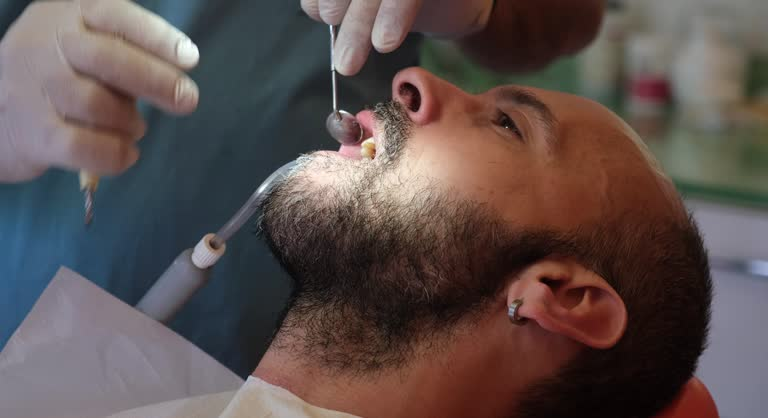
Have you been wincing every time you sip a hot coffee or bite into ice cream? If so, you might be dealing with an infected front tooth—a situation that may call for a root canal front tooth treatment.
Despite its daunting reputation, this treatment is actually a tooth-saver, relieving pain while preserving your natural smile.
In this guide, we’ll explore everything you need to know about root canal front tooth treatments, including causes, symptoms, benefits, risks, recovery tips, and alternatives. Plus, you’ll discover how River’s Edge Dental can help you achieve a healthy, radiant smile.
Understanding Root Canal Treatment
What Is a Root Canal?
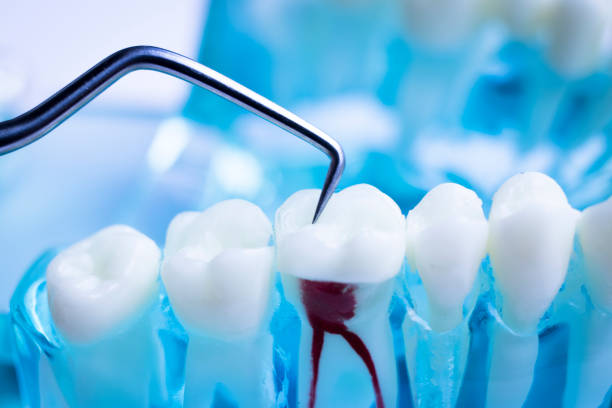
A root canal is a dental treatment used to treat a severely infected or damaged tooth. It involves removing the inflamed pulp (the soft tissue inside the tooth), cleaning and disinfecting the root canal, and sealing it with a filling. The goal? To preserve the tooth and prevent further infection.
Why Is It Needed for Front Teeth?
While most people associate root canals with molars, front teeth can also require this treatment. Why? Because they’re prone to cracks, trauma, and decay. A root canal front tooth preserves the tooth’s appearance and function while preventing extraction.
Difference Between Front and Back Tooth Root Canals
Root canals in front teeth differ slightly from those in molars:
- Complexity: Front teeth typically have a single root canal, making the treatment simpler.
- Restoration: Front teeth often require a filling rather than a crown, unlike molars.
- Aesthetics: Since front teeth are visible, color-matching fillings are used for a seamless look.
Common Myths About Root Canal Therapy
Don’t be fooled by the myths:
- Myth: Root canals are extremely painful.
- Fact: Modern techniques and anesthesia make the treatment virtually painless.
- Myth: Extraction is better than a root canal.
- Fact: Saving your natural tooth is always the preferred option.
- Myth: Root canals cause illness.
- Fact: This outdated claim is based on debunked research.
Causes Leading to a Root Canal in a Front Tooth
Severe Tooth Decay
Untreated cavities in front teeth can penetrate deep into the pulp, causing infection. When this happens, a root canal front tooth treatment becomes necessary to save the tooth.
Dental Trauma or Injury
A fall, sports accident, or sudden impact can damage the pulp, even if the tooth appears intact. Internal injury can trigger inflammation or infection.
Cracks or Fractures in the Front Tooth
Small cracks may seem harmless but can expose the tooth’s inner layers to bacteria, leading to infection. Root canals help prevent further damage.
Repeated Dental Treatments
Frequent fillings or repairs on a front tooth can weaken it, making it susceptible to infection. A root canal may be required to restore its health.
Infection or Abscess
An abscess—a pocket of pus near the tooth root—can cause severe pain and swelling. Without treatment, it can lead to tooth loss or spread to surrounding tissues.
Symptoms Indicating a Root Canal in a Front Tooth
Sensitivity to Hot and Cold
Lingering sensitivity to temperature changes often signals nerve damage or infection.
Persistent Tooth Pain
Ongoing or throbbing pain, especially when biting, is a red flag. It may indicate an infected pulp that requires treatment.
Swelling or Tenderness Around the Tooth
Swollen gums near the affected tooth could point to an infection beneath the surface.
Discoloration of the Tooth
A darkened front tooth might indicate pulp damage or death, necessitating a root canal.
Gum Boil or Pimple Near the Tooth
A small pimple-like bump on the gum is a sign of an abscess—a clear indication of an infection requiring immediate attention.
Root Canal Therapy for Front Teeth
Pre-Treatment Evaluation
Your dentist at River’s Edge Dental will take X-rays to assess the extent of the infection and plan the treatment.
Numbing and Anesthesia
Local anesthesia is used to numb the area, ensuring a pain-free experience.
Cleaning and Shaping the Root Canal
The infected pulp is removed, and the canal is thoroughly cleaned and shaped.
Filling and Sealing the Canal
The cleaned canal is filled with gutta-percha (a rubber-like material) and sealed to prevent reinfection.
Final Restoration – Filling or Crown
Front teeth are usually restored with a tooth-colored filling. In cases of extensive damage, a crown may be necessary.
Benefits of a Root Canal in a Front Tooth
Pain Relief and Comfort
Root canals alleviate the excruciating pain caused by infected or inflamed pulp.
Preservation of Your Natural Smile
Saving your front tooth maintains your smile’s natural aesthetics.
Improved Chewing and Biting Function
You can bite and chew comfortably without sensitivity or pain.
Prevention of Infection Spread
Treating the infection early prevents it from spreading to adjacent teeth or the jawbone.
Long-Term Oral Health Protection
A successful root canal front tooth enhances long-term dental health, preventing tooth loss.
Risks and Complications of a Root Canal
Tooth Fracture
A weakened front tooth may be prone to cracking. A crown may be recommended for added protection.
Infection or Reinfection
Although rare, reinfection can occur if the filling or crown becomes loose.
Post-Treatment Sensitivity
Mild sensitivity is normal after a root canal but usually subsides within days.
Discoloration of the Tooth
A treated front tooth may darken over time. Whitening or veneers can restore its appearance.
Need for Retreatment or Extraction
In rare cases, retreatment or extraction may be necessary if complications arise.
Recovery and Aftercare Tips
Managing Pain and Discomfort
Over-the-counter pain relievers (ibuprofen or acetaminophen) can ease discomfort.
Eating and Drinking Guidelines
Stick to soft foods and avoid hot or spicy dishes during recovery.
Oral Hygiene Practices
Brush and floss gently around the treated tooth to prevent infection.
Avoiding Hard or Sticky Foods
Steer clear of hard candy, nuts, or chewing gum to avoid damaging the restored tooth.
Follow-Up Dental Visits
Regular check-ups ensure proper healing and long-term success.
Root Canal Alternatives for Front Teeth
Tooth Extraction and Replacement
If the tooth is unsalvageable, extraction and replacement with a dental implant or bridge may be necessary.
Dental Implant Option
Implants provide a permanent, natural-looking tooth replacement option.
Dental Bridge Solution
A bridge fills the gap by anchoring to adjacent teeth, restoring your smile.
Pulp Capping for Minor Cases
If the infection is minor, pulp capping may prevent the need for a full root canal.
Antibiotic Treatment for Mild Infections
In mild cases, antibiotics may resolve the infection without invasive treatment.
Cost of a Root Canal in a Front Tooth
Factors Affecting the Cost
- Tooth location
- Severity of infection
- Dentist’s experience
Average Price Range
A root canal front tooth typically costs between $600 and $1,500.
Insurance Coverage
Many dental insurance plans cover part of the cost—check with your provider.
Payment Plans and Financing
Many clinics offer financing or flexible payment plans.
River’s Edge Dental – Your Trusted Partner for Root Canals
At River’s Edge Dental, we specialize in providing expert root canal front tooth treatments with precision and care in the areas we serve. Led by Dr. AnnMarie Moshos, our team offers compassionate, cutting-edge dental care. Her expertise in implantology and dedication to ongoing education ensures you receive top-tier care from our services.
We are committed to restoring your smile and comfort. Schedule your appointment today for a healthier, brighter smile. Contact us!
Conclusion
A root canal front tooth treatment is a reliable solution to save your tooth, ease pain, and protect your smile. Whether you’re dealing with infection, injury, or decay, timely intervention can preserve your dental health.
For expert care, trust River’s Edge Dental—your partner in maintaining a healthy, radiant smile.