When you sit in the dental chair and your dentist explains each step clearly, you shift from feeling powerless to being an active participant in your own care. A dentist who explains procedures honestly begins by listening to your concerns, addressing your anxiety, and setting realistic expectations. From the moment you schedule a gentle dental care appointment to the follow-up call after treatment, you notice the difference that transparent communication makes. Whether you have sensitive teeth, past bad experiences, or general dental fear, clear explanations lay the foundation for a comfortable, stress-free visit.
The importance of explanation
Whenever you face a new dental procedure—be it a routine cleaning or a more complex restoration—understanding what’s about to happen can reduce tension and help you plan. Research shows that how dentists explain procedures accounts for 42.6% of overall patient satisfaction in dental practices [1]. When your provider takes time to outline the process, you’re less likely to feel surprised, and more likely to trust the recommendations you receive.
Open explanation also bridges the gap between your expectations and the clinical reality. A 2012 study found that dentists perceived their patients as satisfied in 89% of restorative visits, yet only 33% recognized patients’ interest in procedural details [2]. That mismatch can leave you feeling overlooked or unsure. Honest, patient-centered dialogue ensures your questions are heard, your goals are respected, and you never leave the chair wondering what just happened.
Communication strategies used
Dentists who prioritize comfort and trust deploy several proven techniques to make explanations clear and reassuring. They avoid jargon, use visual aids, and pause regularly for your questions. Below is a quick comparison of common strategies and their benefits:
| Strategy | What it means | Benefit |
|---|---|---|
| Plain language | Simple words, minimal technical terms | Faster understanding |
| Visual aids | X-rays, diagrams, 3D models | Clear expectations |
| Step-by-step overview | Outlining each phase of treatment | Reduced anxiety |
| Active listening | Reflecting your concerns back to you | Builds rapport and trust |
When you observe this level of communication, you know your comfort is a priority rather than an afterthought. Whether you’re pursuing comfort focused dental care or searching for a dentist for fearful patients, these strategies indicate a practice built around your needs.
Understanding your exam
A stress-free dental visit starts long before the drill touches enamel. During your initial exam, expect a clear overview of what will happen and why.
Initial conversation
Your dentist or hygienist begins by asking about your medical history, past dental experiences, and any ongoing concerns such as tooth sensitivity or jaw pain. When they explain that knowing your history helps tailor anesthesia or choose specific instruments, you see how your input shapes the entire visit.
Diagnostic tools
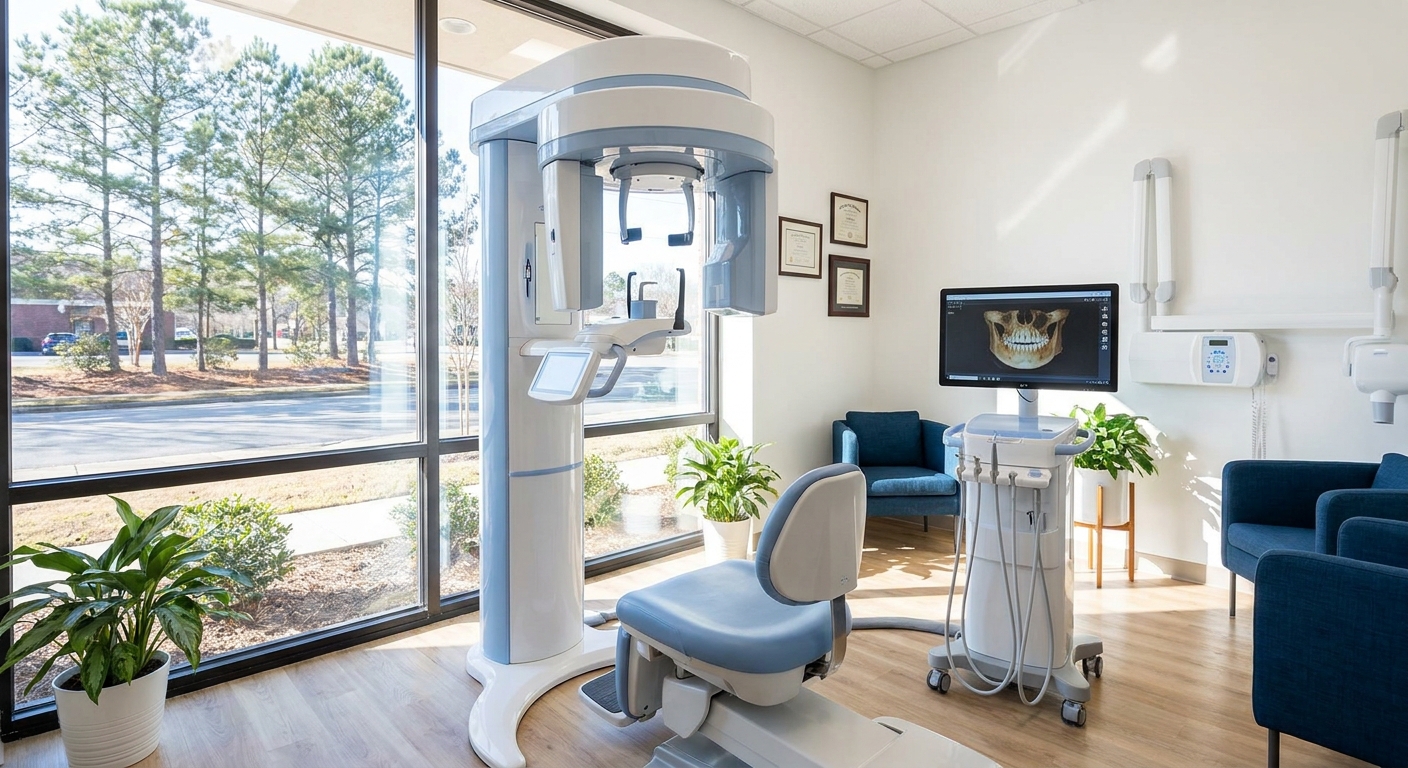
After that, digital X-rays or intraoral cameras may come into play. A dentist who explains procedures will show you the images and point out areas of concern, whether it’s early enamel wear or the beginning of gum inflammation. You’ll understand why certain angles are captured and how that data guides treatment planning.
Explanation of findings
Rather than delivering a verdict like “You need a filling,” your provider walks you through the diagnosis step by step. They might say, “This dark line here indicates decay between your molars. We can stop it from spreading by placing a small composite filling.” That framing helps you see every recommendation as a collaborative decision rather than a command.
Describing dental procedures
When you know exactly how a procedure unfolds—from preparation to follow-up—you feel more in control. Below are the broad categories of treatments and how a transparent dentist typically describes each.
Preventive procedures
During cleanings and exams, your dentist explains how scaling and polishing remove plaque and tartar, why fluoride varnish strengthens enamel, and how sealants can protect deep grooves in your molars. You understand both the “how” and the “why,” making routine visits feel purposeful rather than perfunctory.
Restorative treatments
Whether it’s a simple filling or placing a crown, honesty in explanation helps you weigh material options. A dentist who explains procedures will discuss the pros and cons of composite versus amalgam fillings, crown materials like porcelain or zirconia, and the expected lifespan of each choice. Knowing your alternatives builds confidence in the final decision.
Surgical interventions
For more complex work—root canals, extractions, or implant placements—the discussion deepens. A clear explanation covers local anesthesia methods, the approximate duration of each step, possible sensations you might feel, and the aftercare plan. When you leave with a printed or digital outline of the procedure timeline, you’re equipped to recover with less uncertainty.
Ensuring your comfort
A dentist who explains procedures honestly also demonstrates comfort techniques intertwined with clinical care. You should never feel rushed or left in the dark.
Numbing and sedation
Your provider outlines the types of anesthesia available—from topical gels to local injections—and when sedation options might be appropriate. You learn how long each anesthetic takes to work, what sensations to expect, and how long numbness will last. That clarity helps you decide between light sedation and deeper relaxation methods.
Pacing and breaks
Throughout treatment, expect periodic pauses. Your dentist or assistant checks in: “How’s the pressure? Do you need a break?” Those moments let you swallow, rest your jaw, and signal any discomfort. When pacing is communicated up front, even longer appointments feel more manageable.
Anxiety reduction techniques
Breathing exercises between steps, soft music through headphones, or a stress ball held in your hand can all be part of the plan. A dentist focused on low-stress care explains these options before the drill engages, so you’re never caught off guard.
Virtual reality and technology
Some practices now offer VR headsets or immersive screens to distract and educate you during treatment. Using solutions like 10X Immersive KeppyVR, your dentist can project 3D models of your procedure, guiding you visually through each phase while you relax in a virtual environment [1]. Technology becomes a tool for both learning and stress relief.
Your involvement matters
You are not a passive passenger but a partner in your dental journey. Clear communication invites your input at every stage.
Asking questions
No concern is too small. Whether you wonder about alternative materials or the timing of your next checkup, a dentist who takes time to answer—like a dentist who takes time with patients—encourages you to speak up. Your questions refine the treatment plan and prevent misunderstandings.
Expressing concerns
If past experiences left you fearful, share those stories. When you say, “I had a painful extraction years ago,” an attentive dentist listens and adjusts techniques accordingly. Practices attuned to your comfort may offer additional breaks, quieter instruments, or specialized numbing protocols.
Shared decision making
Every recommendation comes with a candid discussion of benefits, risks, costs, and alternatives. In fact, shared decision making fosters trust and empowers you to select the path that aligns with your lifestyle and budget [3]. You become a collaborator rather than a bystander.
Benefits of honest explanation
When your dentist explains procedures with clarity and empathy, several positive outcomes follow.
You experience less anticipatory anxiety because you know what sensations and timelines to expect. That reduction in stress often means lower heart rate, easier pain control, and a smoother recovery.
Honest dialogue also fosters stronger trust in your provider. Instead of wondering whether corners were cut, you feel reassured that your well-being is the primary focus. This trust translates into better adherence to home care instructions and more consistent attendance at follow-up visits.
Finally, being informed leads to smarter choices. Whether selecting a filling material or deciding on sedation levels, your decisions are grounded in understanding rather than fear. In turn, you’re more likely to commit to preventive measures that keep future visits short and painless.
Preparing for your visit
A little preparation helps you get the most out of a transparent, comfort-focused appointment.
Discuss sedation preferences
If you know you’ll need extra help relaxing, call ahead and ask about sedation options. A practice offering low stress dental care will guide you through pre-appointment fasting requirements and sedation protocols.
Gather your history
Bring copies of recent X-rays, a list of medications, and notes on any medical conditions. The more context your dentist has, the more precise their explanations will be.
Note specific concerns
Write down questions about noise, pressure, or past dental trauma. Presenting these at the start ensures they’re addressed before any instrument touches your mouth.
Selecting the right dentist
Finding someone who explains procedures honestly requires a bit of research on your part.
Look for communication focus
Browse websites or call practices to ask about their approach to patient education. Clinics that highlight patient focused dental care or list “detailed consultations” in their services often excel at transparent dialogue.
Check reviews
Seek testimonials that mention clear explanations, empathy, and comfort. Phrases like “the dentist showed me my X-rays” or “I never felt rushed” are strong indicators of an honest communicator.
Ask about comfort offerings
During your initial inquiry, find out whether the dentist provides breaks, uses soft-touch instruments, or employs technologies like VR for distraction. A dentist for sensitive patients or a dentist for nervous patients often advertises those amenities upfront.
When you select a provider who values transparency and comfort, each subsequent visit becomes less daunting. You build confidence over time, knowing every procedure—big or small—is explained and executed with your well-being in mind.
By seeking out a dentist who explains procedures honestly, you invest in a partnership built on respect, knowledge, and genuine concern for your comfort. From the first phone call to the last follow-up, clear communication transforms dental care from a source of stress into a path toward lasting oral health.