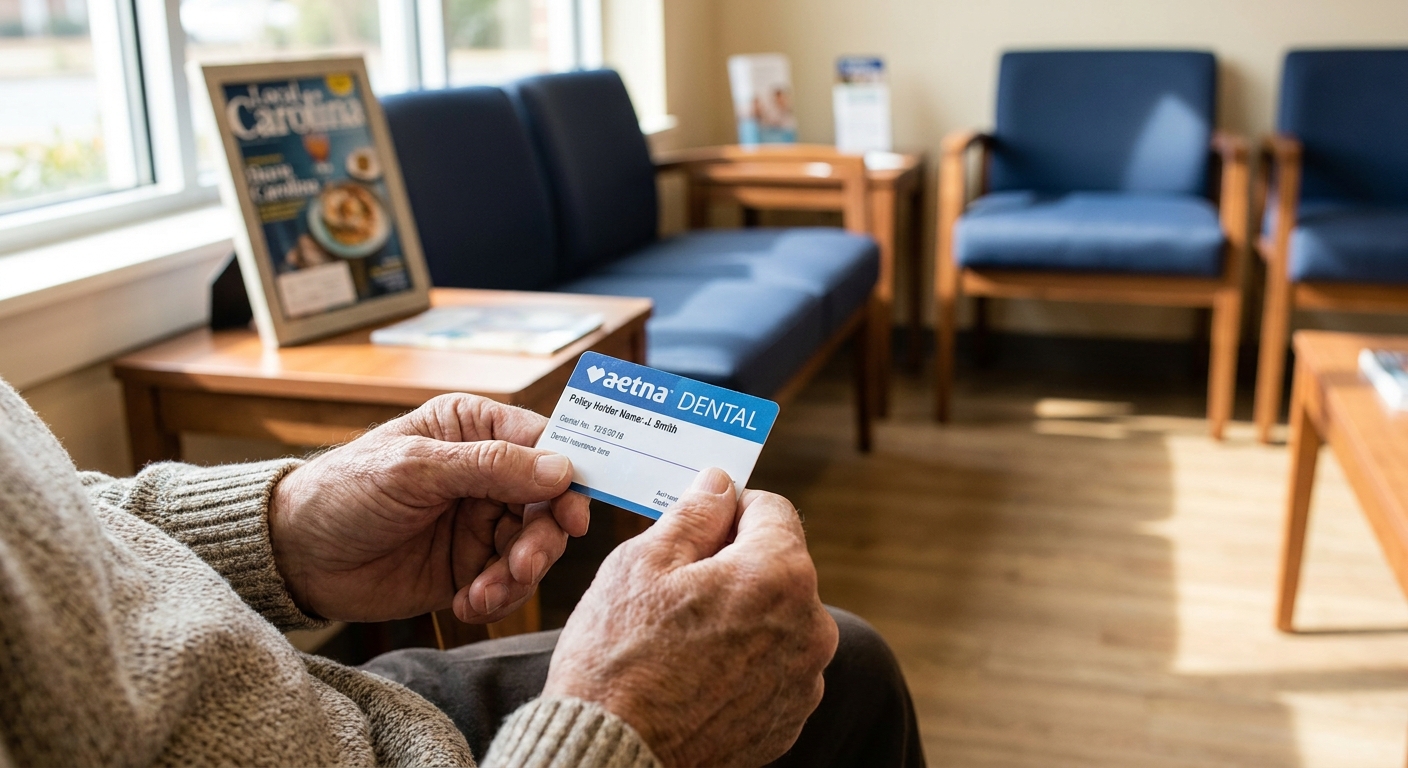
Benefits of gentle dentistry
If you experience dental anxiety or sensitivity, finding a gentle dentist for adults can transform your oral health journey. Gentle dentistry emphasizes comfort-focused care from the moment you step into the office, reducing stress and making each visit manageable. The goal is to protect your well-being by minimizing discomfort and building trust, so you feel in control rather than overwhelmed.
Beyond easing immediate fears, gentle dentistry supports preventive oral healthcare. By addressing concerns early, your dentist can reduce the need for invasive restorative treatments like crowns or deep cleanings [1]. This proactive approach not only preserves more of your natural tooth structure but also lowers long-term costs and the anxiety tied to major procedures.
Comfort-focused dental care cultivates a positive cycle. When you feel safe, you’re more likely to schedule regular checkups, ask questions, and follow through with recommended treatments. Over time, this consistency strengthens your oral health and builds confidence, so you can enjoy a truly stress free dental visit without dreading the experience.
Core principles of gentle dentistry
Gentle dentistry rests on a few core principles that guide every treatment. First, communication and respect set the tone for trust. Next, minimally invasive tools and techniques ensure procedures cause as little pain as possible. Finally, customization and pacing prioritize your unique comfort level and needs.
Preventive focus
Preventive care lies at the heart of gentle dentistry. Instead of waiting for cavities to worsen, your dentist emphasizes regular cleanings, fluoride treatments, and patient education. This mindset helps you avoid complex procedures down the line and keeps you engaged in your oral health journey through patient focused dental care.
Minimally invasive tools
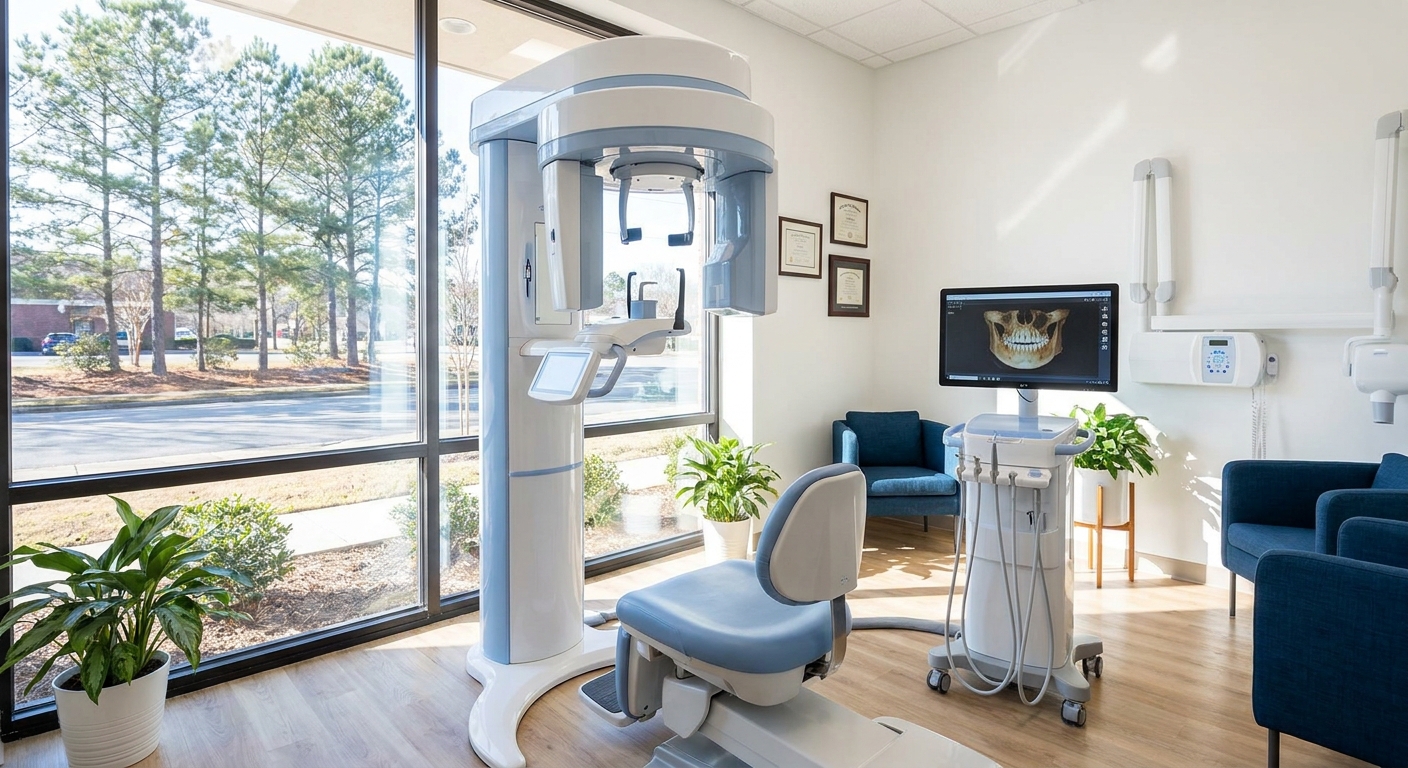
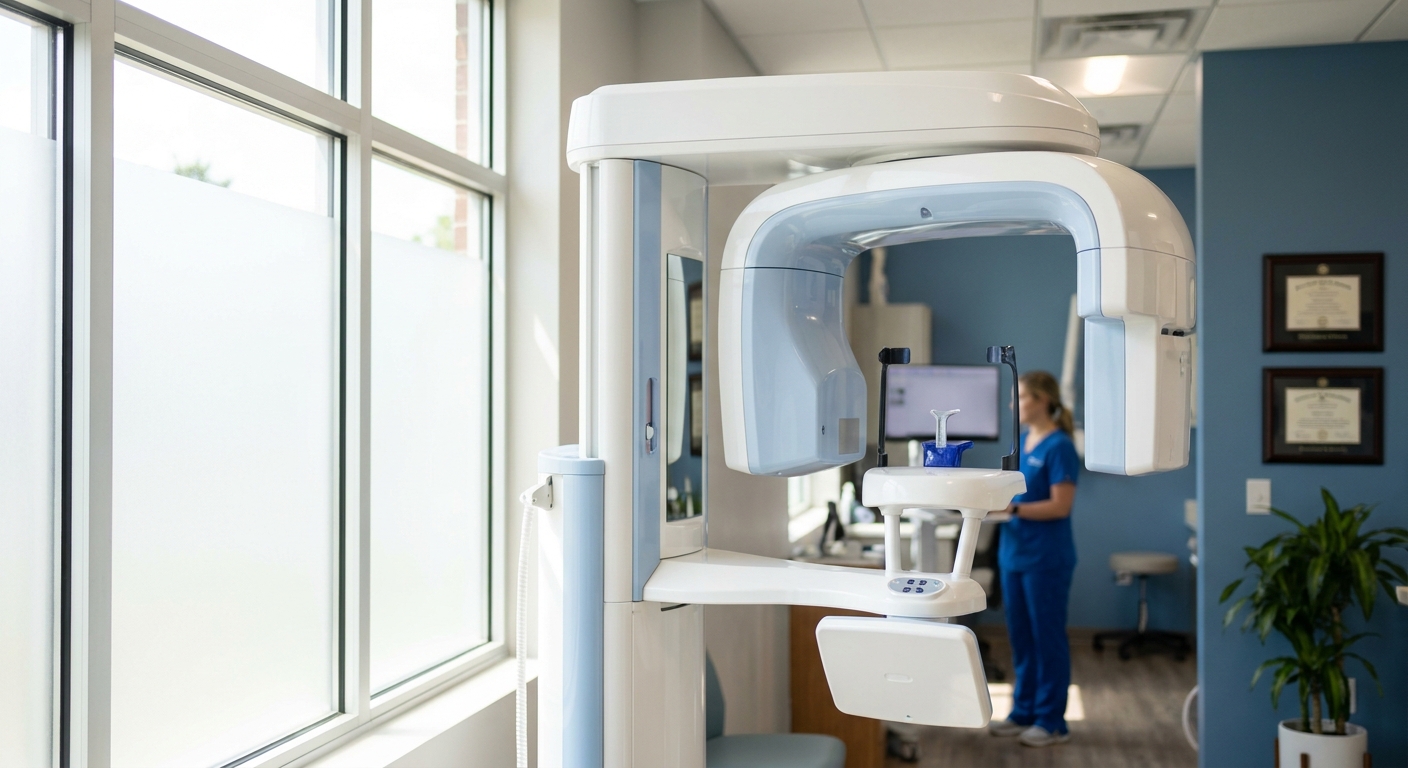
Modern gentle dentists adopt innovative technologies each year to replace traditional drills and scalpels with less aggressive options. For example, laser dental fillings can remove decay with minimal vibration or heat, enhancing your safety and comfort [1]. By choosing the latest devices, your dentist can work more precisely and reduce postoperative sensitivity.
Anxiety-reducing techniques
Many adults worry about pain, noise, and loss of control at the dentist’s office. Gentle dentists employ several anxiety-reducing techniques, including relaxation aids, sedation options, and environmental distractions. You can work with your provider to select the approach that makes you feel most at ease.
Below is a table summarizing common sedation and comfort techniques:
| Technique | Description | Recovery and Notes |
|---|---|---|
| Nitrous oxide | Inhaled “laughing gas” that induces light relaxation | Wears off quickly, you can drive yourself home [2] |
| Oral conscious sedation | Pill taken before the appointment to create moderate sedation | You’ll need someone to drive you afterward [3] |
| IV sedation | Intravenous medication for deeper relaxation | Best for lengthy procedures, requires post-visit supervision [2] |
| Guided relaxation | Breathing exercises, guided imagery, or music playlists to calm nerves | No special recovery, easy to integrate into any visit |
Many gentle practices, such as Serene Smiles in Fredericksburg, Virginia, combine local anesthetics with noise-reducing headphones and clear explanations to keep you comfortable throughout every procedure [4]. These layers of support ensure you remain calm, informed, and in control.
Communication and trust building
Open communication transforms a fearful dental visit into a partnership focused on your comfort. When you find a dentist who explains procedures in clear, nontechnical language, you regain a sense of agency over your oral health journey [5].
Explaining every step
A compassionate dentist appointment means never being surprised by what’s happening in your mouth. Your provider should walk you through each step—from numbing techniques to when the drill will start—so you know what sensations to expect. This transparency alleviates the shock of sudden noises or movements and builds trust.
Active listening
Beyond talking, a gentle dentist for adults listens to your concerns and past experiences. If you’ve had a bad dental experience, sharing that history helps your dentist tailor each appointment to avoid triggers [6]. You’ll feel valued and heard rather than rushed through a conveyor-belt process.
Creating a calming environment
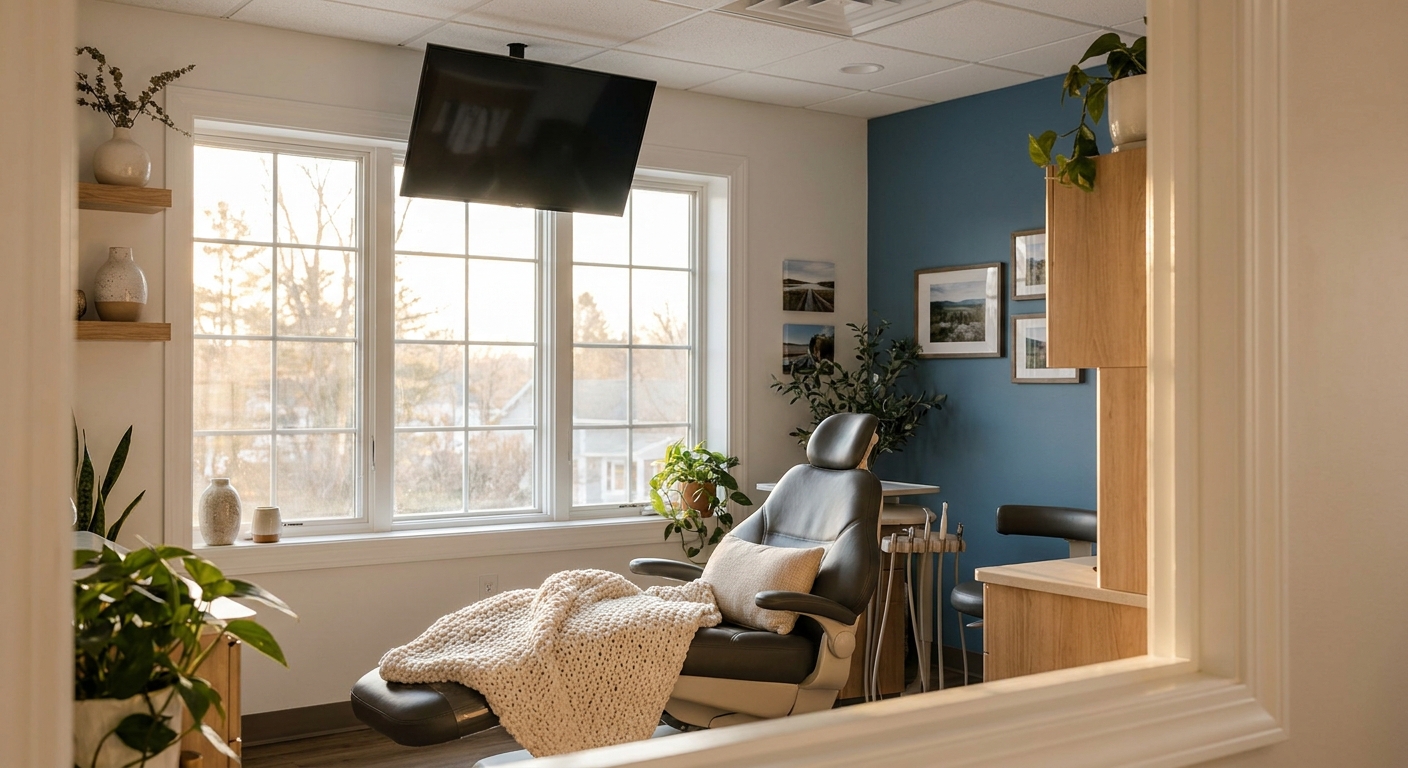
Your surroundings play a major role in reducing stress during dental visits. A gentle dentist office often incorporates warm colors, soft lighting, and comfortable seating to set a relaxed tone.
Office design
Tend Dental Mosaic District in Fairfax, Virginia, showcases how thoughtful design can soothe anxiety [7]. Their space features natural wood accents, greenery, and flat-screen TVs above each chair. This level of detail signals that your well-being matters from the moment you arrive.
Sensory distractions
Tools like noise-cancelling headphones, weighted blankets, and even aromatherapy can distract you from the sounds and smells traditionally associated with dental clinics. By engaging your senses in positive ways, a low stress dental care approach helps you focus on comfort instead of discomfort [8].
Personalized treatment planning
Gentle dentistry thrives on tailoring each aspect of your care to your comfort and health goals. From preventive strategies to treatment timing, personalization ensures you never feel rushed or unprepared.
Customized pacing
A dentist who takes time with patients will ask about your comfort level before every step. Whether you need extra breaks between procedures or prefer shorter appointments over multiple visits, your plan should adapt to what works best for you [9].
Preventive strategies
Preventive oral care reduces the likelihood of invasive treatments later. Your gentle dentist for adults will focus on habit coaching—brushing techniques, flossing tips, and dietary guidance—to help maintain your smile between visits. This approach supports healthier teeth and fewer anxiety-provoking interventions in the future.
Choosing your gentle dentist
Finding the right practitioner is key to a stress free dental visit. Look for a provider whose philosophy aligns with comfort, communication, and trust.
- A practice that promotes comfort-focused dental care from check-in to checkout
- Providers who offer a range of anxiety-reducing techniques, from sedation to guided relaxation
- Staff trained in clear communication and active listening to address your fears
- A clinic environment designed to minimize stress and engage your senses positively
- Flexible scheduling options and personalized pacing during appointments
By prioritizing these criteria, you’ll narrow your search to a dentist who truly understands and supports your needs [10].
Your first gentle dental appointment
Knowing what to expect can ease your nerves before your first visit. A smooth, supportive experience often starts before you even arrive.
Before the visit
When you schedule a gentle dental care appointment, share your concerns in advance. Most offices will send pre-visit questionnaires to document your anxiety triggers and medical history. This allows them to prepare your preferred comfort aids and sedation if needed.
During treatment
On the day of, your gentle dentist for adults will review each step and confirm your comfort level. If at any point you need a pause, you’ll have clear signals—such as raising your hand—to safely stop and regroup. This process fosters a sense of control and partnership.
Aftercare and follow-up
Once treatment is complete, your dentist will explain aftercare instructions in plain language and schedule any necessary follow-up visits. You may receive digital resources or direct links to dentist for sensitive patients guidance, ensuring you feel supported in maintaining your results.
Embarking on care with a gentle dentist for adults means choosing a path where your comfort, communication, and trust come first. By focusing on preventive strategies, personalized pacing, and a calming environment, you’ll find that dental visits become a stress free dental visit rather than a source of anxiety.