Patient focused care concept
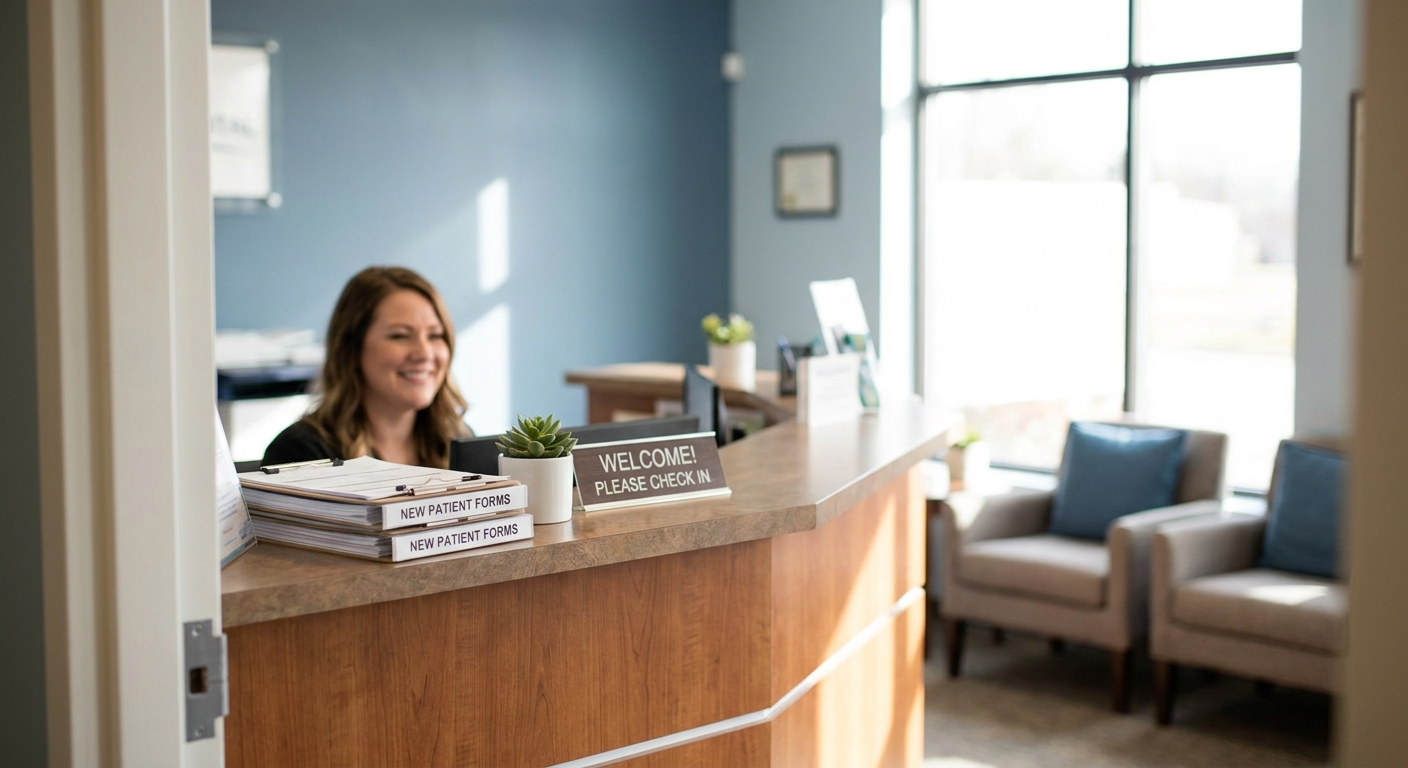
Your comfort should guide every step of dental treatment. Patient focused dental care puts you at the heart of every decision, tailoring each interaction to your needs.
In a truly patient focused model, your preferences, medical history, and lifestyle shape the entire care plan. This approach moves beyond routine checkups to an experience built on collaboration, empathy, and trust. By embracing a patient centered philosophy, your dental team acknowledges your unique concerns—from past negative experiences to dental sensitivity—and works to alleviate them before they arise.
Patient-centered dental care places patients at the forefront of healthcare decisions, emphasizing effective communication, empathy, and collaboration with dental professionals to create personalized treatment plans that improve oral health outcomes [1].
Embedding these values into daily practice transforms appointments into genuine partnerships. You are encouraged to voice questions, share fears, and set goals. In turn, your dentist and staff tailor every detail—from scheduling to follow-up—to support a comfortable, stress-free experience.
Prioritize your comfort
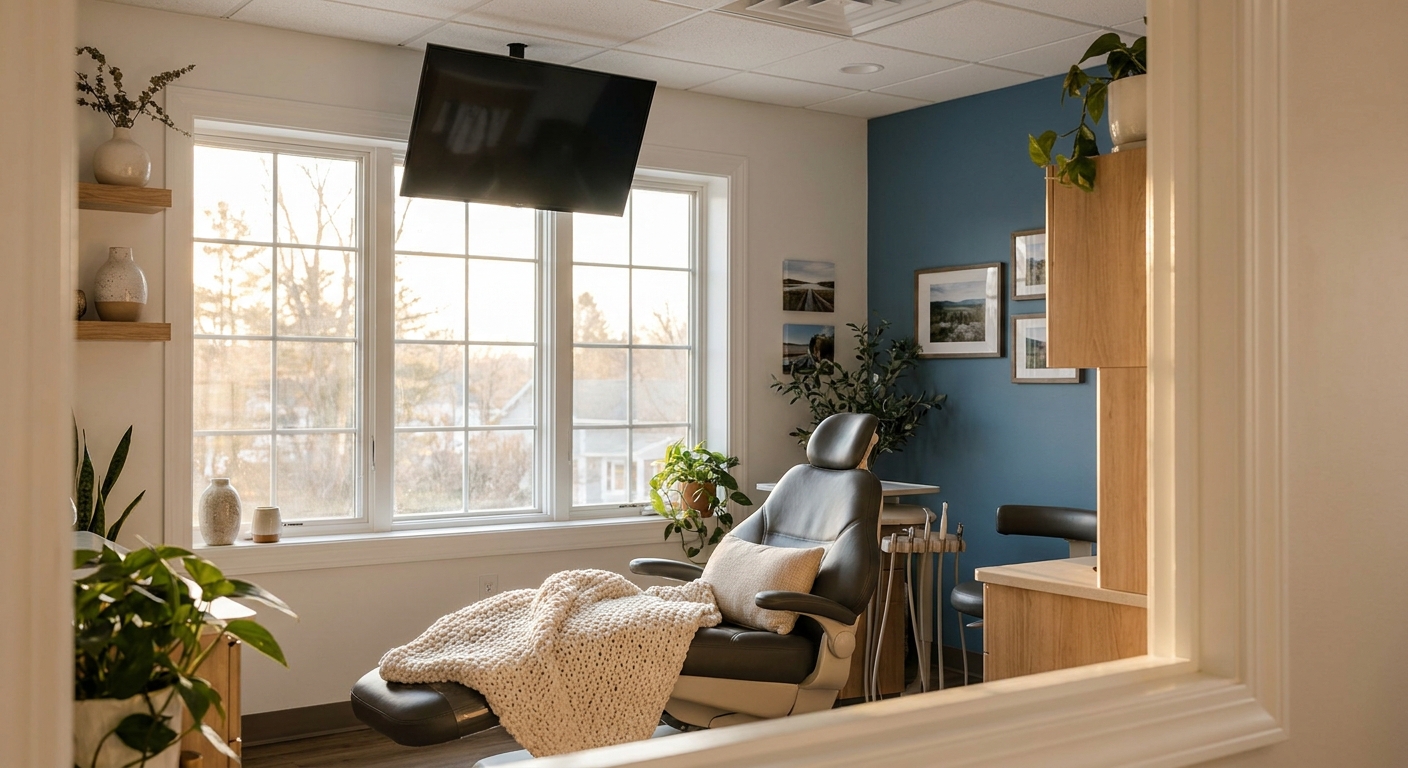
A cornerstone of comfort focused dental care is an environment designed to soothe rather than stress. You may notice plush seating in waiting areas, soft lighting in operatories, or noise-canceling headphones at the chair. Small touches like warmed blankets and aromatherapy can significantly reduce tension before your appointment even begins.
Comfort extends into treatment itself. Sedation options range from mild nitrous oxide to oral sedatives, allowing you to remain relaxed and alert throughout procedures. Your dental team will review each option, discuss benefits and risks, and respect your choice at every step.
Whether you opt for minimal anxiety relief or deeper sedation, the goal remains the same: you feel safe, in control, and free from discomfort. By prioritizing your physical ease, your dentist empowers you to pursue necessary care without fear. Link to learn more about comfort focused dental care.
Your comfort doesn’t stop with anesthesia. Ergonomic chairs support your head and neck, while gentle handpieces reduce noise and vibration. Every tool and technique serves a single purpose: ensuring you leave the office feeling as relaxed as when you arrived.
Enhance communication and trust
Clear dialogue builds confidence. When your dentist explains each step before starting, you know exactly what to expect and why it matters. Linking up visuals from digital scanners or intraoral cameras with real-time descriptions transforms abstract procedures into understandable actions.
Your concerns drive the conversation. A dentist who listens to concerns and takes time with you creates a sense of partnership. Shared decision-making, where you actively participate in treatment choices alongside your dentist, results in more meaningful and relevant plans tailored to your lifestyle and medical history [2].
Key communication elements include:
- Active listening and empathy, ensuring you feel heard
- Jargon-free explanations, helping you understand procedures
- Visual aids like intraoral photos, clarifying treatment needs
- Open channels for follow-up questions, fostering ongoing dialogue
Each of these elements reduces uncertainty and cultivates trust. By choosing a dentist who explains procedures and offers a compassionate dentist appointment, you gain confidence that your best interests lead every recommendation.
Manage dental anxiety
Dental anxiety can be a major barrier to oral health. Fortunately, a comfort-centered practice offers strategies that address fear long before you reach the chair.
Pre-visit relaxation techniques
Preparing for your appointment at home reduces tension on the day of care. Simple breathing exercises, guided imagery, or listening to your favorite playlist can calm nerves. Let your dental office know if you would like a pre-visit consultation, so they can adjust their approach to suit your anxiety level.
In-office calming methods
Once you arrive, clinic staff can support your well-being with calming scents, soft music, or weighted blankets. Nitrous oxide inhalation—often called laughing gas—takes effect within minutes, helping you remain lighthearted and at ease. For more intense anxiety, oral sedation pills or IV sedation are available; your dentist will discuss which option best aligns with your needs.
A table comparing common sedation choices illustrates how each one works:
| Sedation type | Mode of delivery | Ideal for anxiety level | Recovery time |
|---|---|---|---|
| Nitrous oxide | Inhaled gas | Mild to moderate | 5–10 minutes to clear |
| Oral conscious sedation | Pill taken by mouth | Moderate | Several hours |
| IV sedation | Intravenous drip | Moderate to severe | Several hours |
| Minimal sedation | Ambient relaxation | Mild | Immediate |
By selecting the approach that fits your comfort zone, you gain control over your experience and minimize fear of future visits. Consider booking with a dentist for fearful patients or a dentist for nervous patients who specializes in anxiety management.
Use gentle treatment approaches
Advances in minimally invasive dentistry let you receive effective care with minimal discomfort. Instead of traditional drills, tools like air abrasion, laser therapy, and ozone treatment can remove decay with less vibration, noise, and heat.
Minimally invasive procedures
Gentle laser or air abrasion techniques precisely target decay, preserving more healthy tooth structure. Your mouth may feel cooler, quieter, and far less sensitive than with conventional rotary instruments.
Comfortable anesthesia options
Topical numbing gels applied before injections reduce the initial pinch. Ultra-fine needles administered slowly and steadily lessen pressure and discomfort. Coupled with distraction techniques—like watching videos or squeezing a stress ball—the process becomes nearly painless.
Your gentle approach begins the moment you schedule a gentle dental care appointment. By working with a gentle dentist for adults or a dentist for sensitive patients, you ensure every measure is taken to protect your comfort and ease any sensitivity concerns.
Tailor your treatment plan
No two patients are identical, and your dental plan should reflect that. From customized cleaning routines to scheduling considerations, your dentist crafts a program that fits your life.
Personal medical history integration
Discuss any health conditions, medications, or past trauma you have experienced. This information guides everything from medication choices to scheduling length and appointment frequency. Tailored treatment plans developed through patient-centered dental care incorporate individual medical history, lifestyle, and preferences, leading to increased patient ownership and responsibility, which enhances compliance and results in better oral health outcomes [1].
Comfort-focused scheduling
If two appointments in a row feel overwhelming, you can request shorter visits spaced out over weeks. Early-morning or late-afternoon slots may help avoid peak traffic times, reducing pre-appointment stress. A dentist for patients with bad dental experiences will honor your timing needs and provide the right pacing for your comfort.
By tailoring the plan to you, adherence improves and outcomes become more predictable. You’re empowered to take ownership of your oral health in a way that respects your daily routine.
Leverage comfort enhancing technology
Cutting-edge diagnostics and treatment platforms speed care and boost comfort. Advanced imaging and scanning tools replace messy impressions and deliver detailed visuals with minimal discomfort.
Advanced diagnostic tools
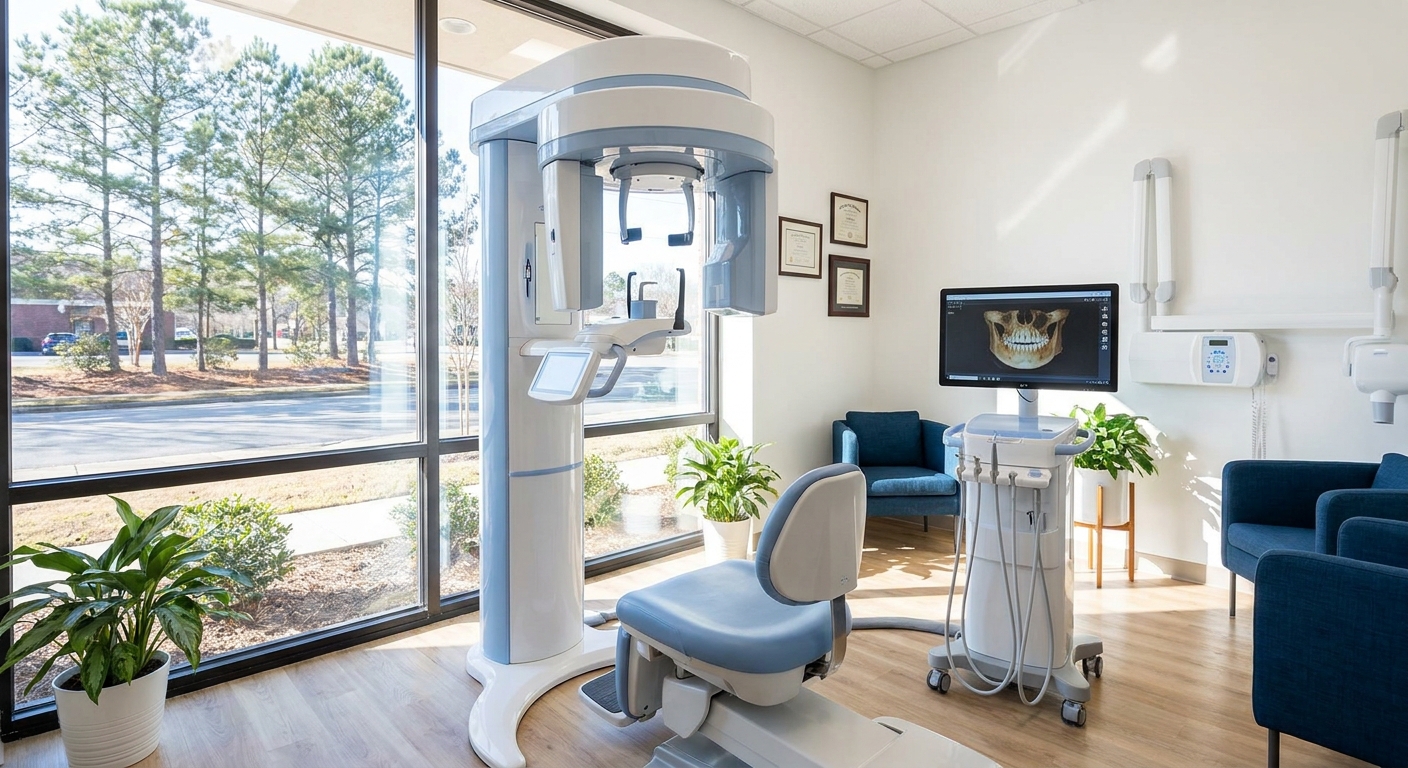
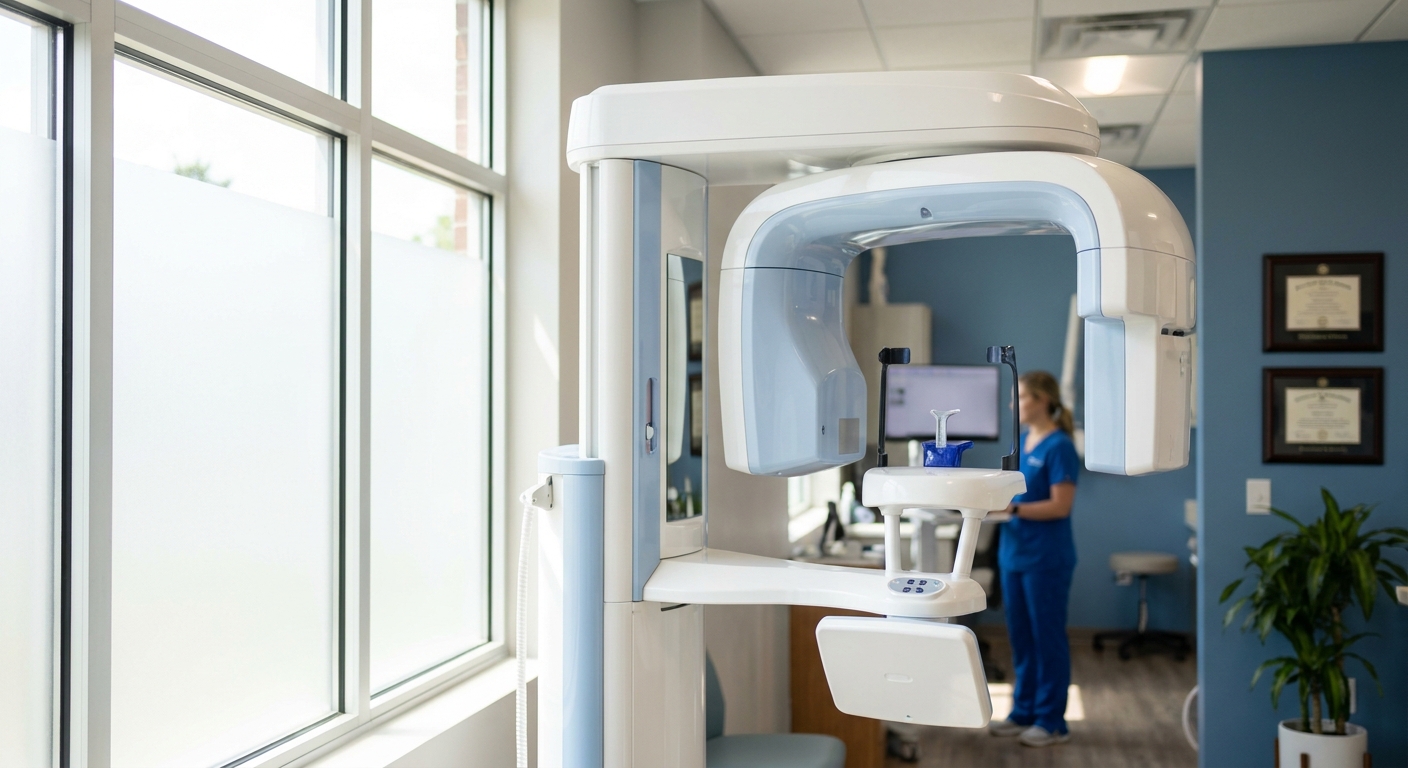
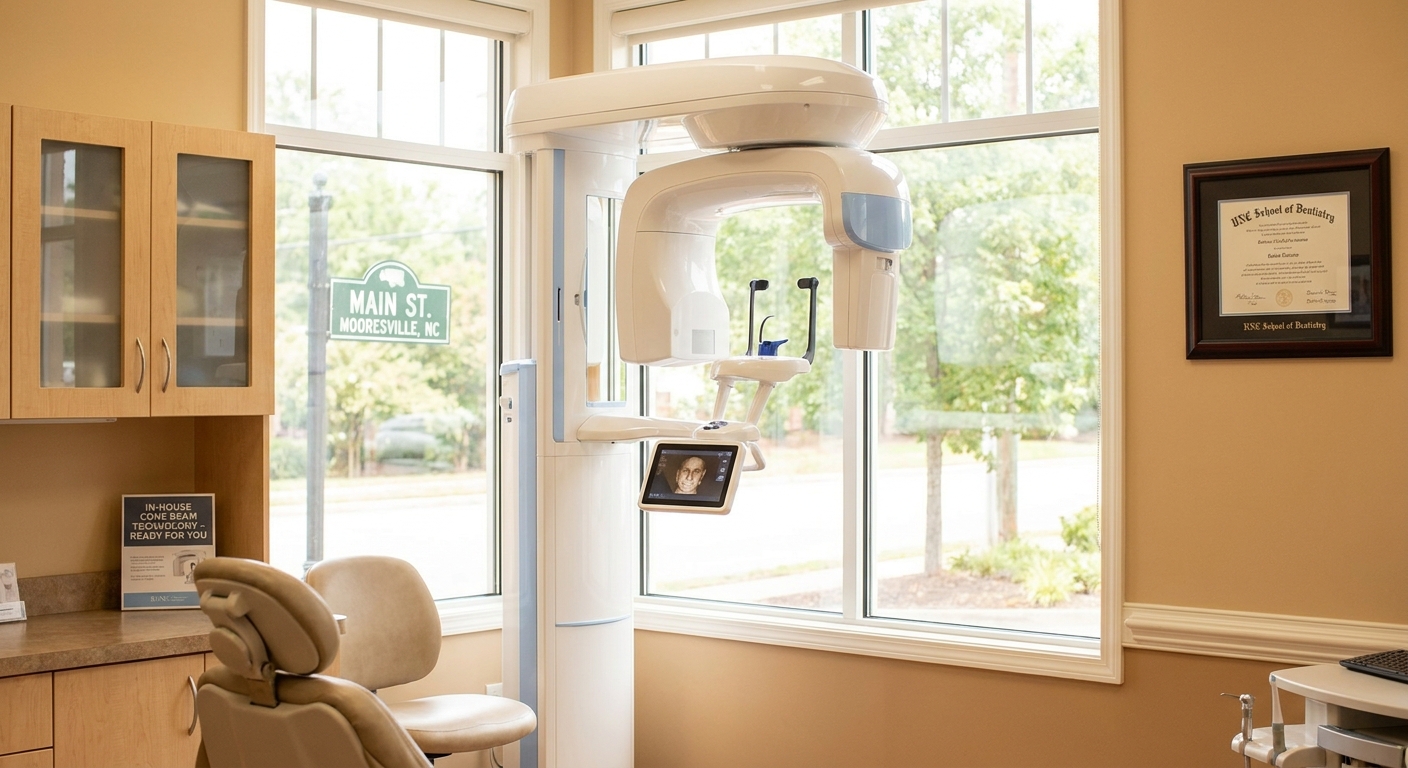
Three-dimensional cone-beam computed tomography and digital X-rays emit less radiation than traditional film, while capturing more precise views of your teeth, bone, and soft tissue [3]. These images allow for early detection of issues and reduce the need for repeat exposures.
Intraoral cameras transmit real-time footage of your mouth to a chairside monitor. Your dentist can point out areas of concern, explain treatment needs, and show you the outcomes of interventions, enhancing both understanding and comfort. This transparent process gives you confidence that you know exactly what’s happening every step of the way—ideal for a dentist who explains procedures.
Ensure lasting stress-free visits
Comfort-centered care doesn’t end when you walk out the door. Follow-up support, preventive education, and consistent relationships build a foundation for lifelong oral health.
Continuity of care
Seeing the same dental team over time fosters trust and familiarity. You gain comfort knowing that your unique preferences—from chair positioning to sedation choices—are already on file. Consistency in dental care teams under patient-centered approaches fosters trust and comfort by establishing rapport over time, reducing dental anxiety and enabling more accurate diagnoses and effective treatment plans [1].
Post-treatment guidance
Your provider will review at-home care techniques, demonstrate recommended flossing and brushing methods, and suggest lifestyle adjustments to protect your smile. Patient-centered dental care promotes a comprehensive preventive approach by educating patients on proper oral hygiene techniques, dietary choices, and lifestyle adjustments, which empowers patients to proactively maintain long-term oral health outcomes [1].
With each appointment designed to center your comfort, you build confidence and reduce anxiety about future care. A stress free dental visit and a comfortable dental exam become the new standard. Before you know it, you’ll approach each checkup knowing you are in capable, caring hands.