Most people who end up needing a root canal didn’t see it coming, at least not at first. The signs you need a root canal are often subtle enough to dismiss, right up until the infection makes the decision for you.
What a Root Canal Actually Is
A root canal is a procedure that removes infected or dying tissue from inside a tooth, specifically from the pulp chamber and the narrow canals that run through the root. Once that material is cleared out and the space is cleaned and sealed, a crown goes over the tooth to restore its function. The tooth stays in place. You keep chewing with it, just without the nerve tissue that caused the problem.
That last part is worth holding onto: root canal treatment saves the tooth. The alternative, leaving an infected tooth alone, leads to extraction and the more costly, more involved process of replacing it. Understanding the warning signs early keeps that option on the table.
The Warning Signs You Shouldn’t Ignore
The American Association of Endodontists estimates that more than 15 million root canals are performed in the United States each year. A significant portion of those patients delayed seeking care because their symptoms didn’t seem serious enough. That’s the pattern worth breaking.
Not every sign is dramatic. Some are quiet, easy to rationalize away, or intermittent enough to seem like they’re resolving. They’re not. Here’s what to pay attention to.
Persistent or Severe Tooth Pain
Root canal pain is different from the occasional twinge of a sensitive tooth. It’s deep, throbbing, and often pressure-based, the kind that radiates into the jaw, the ear, or other teeth nearby. A 2016 study published in the Journal of Endodontics on pulpal pain recognition found that patients frequently misidentified the source of the pain, attributing it to neighboring teeth or sinus pressure rather than the affected tooth itself.
The key diagnostic detail is whether the pain comes back. Pain that fades and then returns is not healing. Pulp inflammation doesn’t resolve on its own once it reaches a certain threshold. If you’ve had a few pain-free days followed by the same deep ache returning, that cycle is the red flag, not the relief.
Lingering Sensitivity to Heat or Cold
A sip of cold water that causes a quick, sharp jolt and then clears up is typically surface-level sensitivity, often tied to enamel wear or exposed roots. What signals nerve involvement is sensitivity that lingers, meaning the discomfort continues for 30 seconds or more after the hot coffee or cold drink is gone.
The American Association of Endodontists identifies prolonged thermal sensitivity as one of the most reliable clinical indicators of irreversible pulpitis, the point at which the pulp is inflamed beyond recovery. A practical test: time it. A few seconds of sensitivity falls within normal range. Anything that lingers warrants a call to your dentist. This is one of those symptoms where knowing when tooth pain crosses a line can save you from waiting too long.
Tooth Discoloration or Darkening
When a single tooth turns gray, dark yellow, or brownish compared to the teeth beside it, the color change is coming from inside. Dying or dead pulp tissue breaks down and stains the dentin from within, and no amount of whitening toothpaste touches it because the problem isn’t on the surface.
This type of discoloration often follows trauma, even trauma you may not remember clearly, like a collision years ago. A 2021 review in Dental Traumatology confirmed that post-traumatic pulp necrosis can develop months or years after the original injury, often with no pain to signal the change. Take a photo of the discolored tooth and bring it to your next appointment so your dentist can compare it against baseline images.
Swelling in the Gums or Face
Localized gum swelling near a tooth, especially if it’s tender to the touch, signals infection spreading into the surrounding tissue. Facial swelling is a different level of concern entirely. Data from the Centers for Disease Control and Prevention has documented thousands of hospitalizations annually from dental infections that spread beyond the jaw, and the patients who end up in that situation almost always had earlier symptoms they didn’t act on.
Facial swelling is a dental emergency. Same-day contact with a dentist is the right move, not a wait-and-see approach. For a deeper look at what a spreading tooth infection actually involves, the progression from abscess to systemic involvement is faster than most people expect.
A Pimple or Bump on the Gums
A small raised bump on the gum near a tooth root is called a sinus tract, and it’s the body’s way of draining pus from an infection it can’t resolve. It looks like a whitehead and sometimes has a foul taste associated with it. It may be painless, which is exactly why people ignore it.
Painlessness doesn’t mean safety here. According to clinical guidelines from the American Association of Endodontists, a sinus tract is a definitive sign of pulp necrosis and periapical infection. The bump represents an active drainage pathway, not a sign the infection is clearing. Note where it is, whether it recurs, and whether it’s near the root of a specific tooth.
Pain When Chewing or Touching the Tooth
When inflammation reaches the tip of the root and spreads into the surrounding bone, the ligament that anchors the tooth becomes inflamed. The result is sharp pain when biting down or even touching the tooth lightly. This is distinct from gum soreness or jaw tension, and it’s localized: one specific tooth hurts, not the whole quadrant.
A 2018 study in the International Endodontic Journal identified percussion sensitivity as one of the strongest clinical predictors of periapical pathology. Pay attention during meals to whether the discomfort tracks back to a single tooth consistently. That specificity is the signal.
What Causes Teeth to Reach This Point
Deep decay is the most common driver. A 2019 study in the Journal of Dental Research analyzing causes of pulp necrosis across a sample of 3,400 cases found untreated caries responsible for roughly 50% of cases, followed by cracked teeth, traumatic injury, and repeated procedures on the same tooth.
The throughline is delay. Cavities that get caught early don’t become root canal situations. Ignoring a cavity long enough lets decay work its way through enamel, then dentin, then into the pulp. Cracks follow a similar path, and there’s a hard ceiling on how long that’s safe, since a cracked tooth does not heal on its own regardless of how minor it feels. Grinding habits, skipping checkups, and avoiding treatment for a tooth that “mostly feels okay” are the specific patterns that lead here.
How a Dentist Confirms You Need a Root Canal
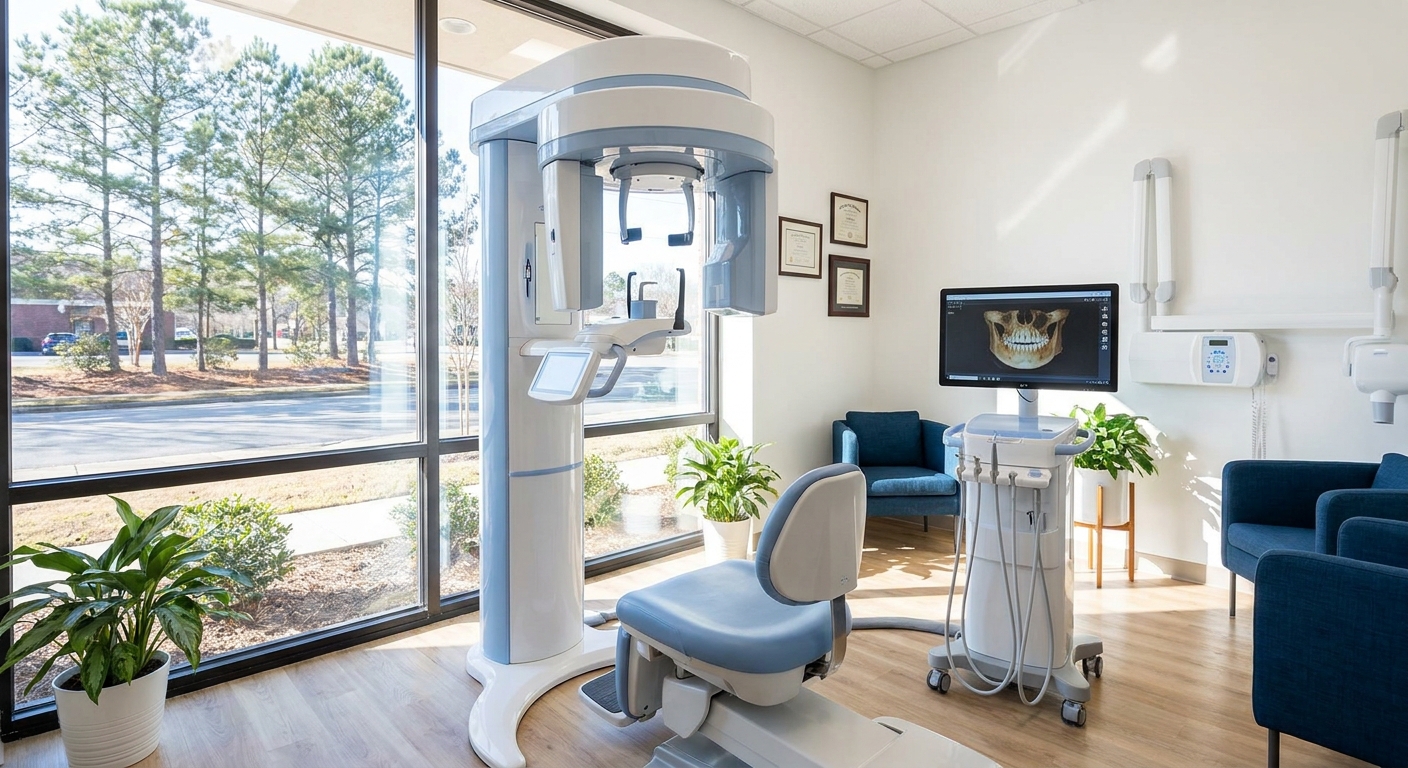
The diagnostic process combines several inputs. A clinical exam checks for visible decay, swelling, or sinus tracts. Percussion testing involves tapping the tooth to assess pressure sensitivity. Thermal testing uses heat or cold stimuli to measure how the pulp responds. X-rays show the bone surrounding the root tip and any signs of infection or bone loss.
A 2020 study in the Journal of Endodontics found that cone-beam computed tomography imaging improved diagnostic accuracy for periapical lesions by 24% compared to traditional periapical X-rays. Digital imaging makes it easier to catch early-stage infections that haven’t yet caused visible bone changes. If a dentist suspects pulp involvement, ask specifically for an X-ray and a thermal sensitivity test before agreeing to any treatment plan. Those two tests together give a much clearer picture than either one alone.
What Happens If You Wait
Delaying treatment converts a contained infection into a spreading one. A 2017 analysis published in the Journal of the American Dental Association found that patients who delayed endodontic treatment by more than 90 days from symptom onset had significantly higher rates of abscess formation, bone loss, and eventual tooth extraction compared to those treated promptly.
The financial and clinical math is straightforward: a root canal and crown is less expensive and less involved than an extraction followed by an implant or bridge. Bone loss complicates implant placement and may require grafting. Understanding how dental abscesses develop and why they don’t resolve without treatment is part of what makes the urgency real, not fear-based.
Book the Evaluation Before the Decision Gets Made for You
If any of the signs above match what you’re experiencing right now, the right move is a dental exam, not more monitoring at home. Root canal treatment, when performed before infection spreads, has a documented success rate above 95% and preserves the natural tooth for decades.
The symptoms described here are not ambiguous once you know what to look for. Deep, returning pain, sensitivity that lingers past 30 seconds, a darkening tooth, gum swelling near a root, a recurring bump, localized pain on pressure: these are the body’s signals that the pulp is compromised and the clock is running. Deciding how long to wait with tooth pain is a calculation that almost always favors acting sooner. Call and get an evaluation. That’s the move that keeps the simpler outcome available.