Every year in the United States, thousands of people are hospitalized, and some die, from infections that started in a single tooth. Understanding whether a tooth infection can spread, and how fast it happens, is the difference between a routine dental visit and an emergency room admission.
What Happens When a Tooth Infection Spreads
According to a 2021 analysis published in the Journal of Endodontics, dental infections account for approximately 109,000 emergency department visits annually in the United States, with a significant subset requiring hospitalization for systemic complications. That number reflects something most people don’t expect: a toothache is not just a dental problem. It is a bacterial infection sitting inside your jaw, and the jaw has no walls that keep bacteria from traveling.
The purpose of this article is to give you a clear picture of how a tooth infection moves through the body, what warning signs tell you the process has already started, and exactly when waiting stops being an option.
What a Tooth Infection Actually Is
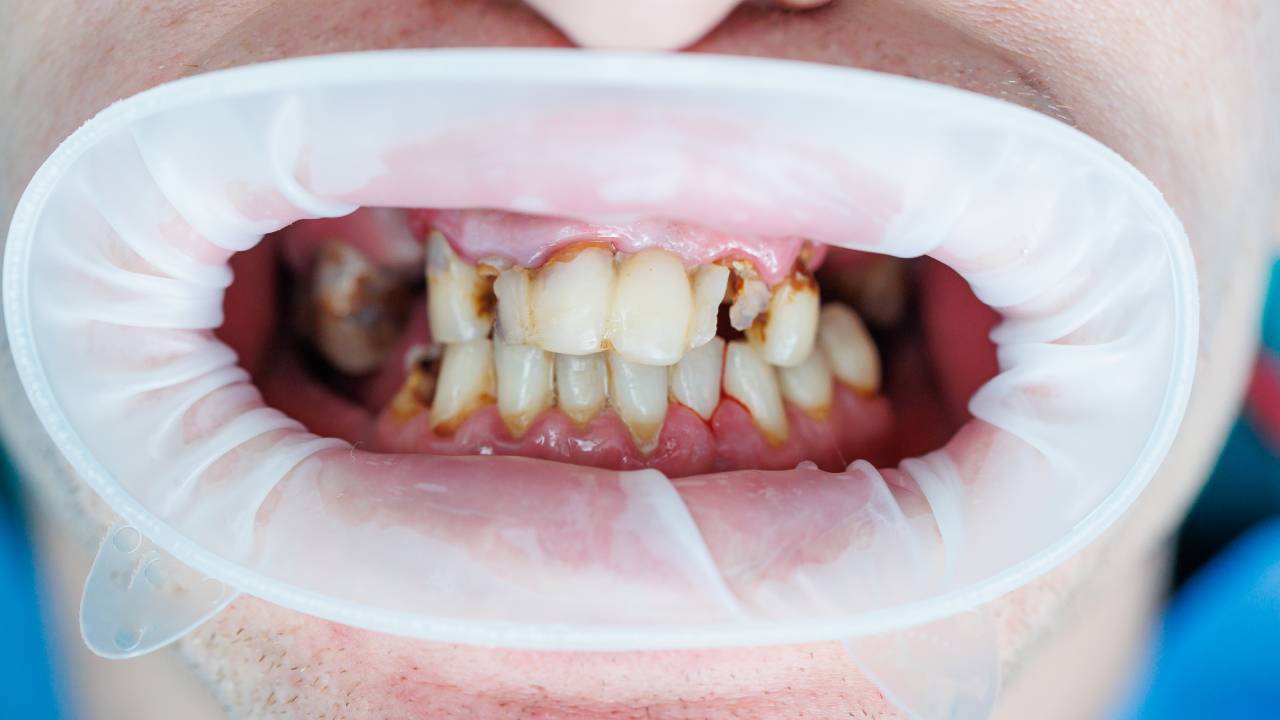
A dental abscess is a pocket of pus caused by a bacterial infection inside or around a tooth. Think of it as your immune system trying to wall off an invading colony of bacteria, creating a pressurized sac that has nowhere to drain. The problem is that the structures surrounding your teeth, including the jaw bone, gum tissue, and surrounding soft tissue, are not sealed compartments. Bacteria can travel through soft tissue planes, enter the lymphatic system, and reach the bloodstream from almost any point in the mouth.
A 2019 review in BMC Oral Health documented the anatomical pathways by which dental infections spread into the deep spaces of the head and neck, noting that the fascial planes of the jaw act more like highways than barriers once infection pressure builds. Understanding this anatomy makes one thing obvious: waiting is not a neutral decision. Every hour an abscess goes untreated, it is actively looking for a way out.
The Two Types of Dental Abscess
A periapical abscess forms at the tip of a tooth root, typically after bacteria invade the pulp through a deep cavity, a crack, or a failed filling. The infection works its way down through the root canal system and accumulates at the root tip. A periodontal abscess, by contrast, forms in the gum tissue beside the tooth root, usually triggered by advanced gum disease trapping bacteria in a deep pocket. Both types carry the same spread risk. The origin differs; the destination does not.
If you are unsure whether the pain you are feeling points to an abscess or something else, the symptom pattern matters as much as the location.
The Timeline of an Untreated Tooth Infection
A 2016 case series published in the Journal of Oral and Maxillofacial Surgery documented patients who progressed from a localized dental abscess to life-threatening deep neck infection in as little as 24 to 72 hours. The general progression moves in a predictable direction: localized abscess, then cellulitis spreading through the surrounding soft tissue, then involvement of the deep neck spaces, and finally systemic infection via the bloodstream.
The infection does not wait for a convenient appointment slot. Swelling that was limited to the gum in the morning can reach the floor of the mouth by evening. Fever that appears mild at noon can spike and become disorienting by midnight. Hospitalization data from the American Association of Oral and Maxillofacial Surgeons confirms that delays in treatment are the single most consistent factor in cases that escalate to surgical intervention or ICU admission.
10 Signs a Tooth Infection Is Spreading
A 2018 emergency medicine study published in Annals of Emergency Medicine reviewed symptom patterns in 112 patients presenting to hospital with dental-origin infections. The patients who had developed systemic complications consistently reported clusters of symptoms rather than isolated tooth pain. When multiple signs appear together, that combination is the signal that bacteria have moved beyond the original site.
The ten warning signs to recognize are: a throbbing or persistent toothache that does not let up even with over-the-counter pain relief; swelling that has moved from the gum to the jaw, cheek, or neck; fever, even a low-grade one; swollen or tender lymph nodes under the jaw or in the neck; difficulty swallowing or a feeling that the throat is tightening; a foul taste or persistent bad odor that doesn’t clear; redness or warmth spreading across the face; unexplained fatigue or feeling generally unwell; a headache that seems unrelated to the tooth; and ear pain or jaw pain radiating beyond the tooth itself.
Recognizing when tooth pain has become something more serious requires paying attention to this full picture, not just how bad the tooth itself hurts.
How a Tooth Infection Spreads Through the Body
Bacteria leave the original abscess site by two main routes. The first is direct tissue invasion, where infection spreads through the connective tissue planes of the face and neck, a process called cellulitis. The second is hematogenous spread, where bacteria enter small blood vessels and travel through the circulatory system to distant organs.
A 2020 study in Clinical Infectious Diseases confirmed that bacteremia, the presence of bacteria in the bloodstream, occurs in a meaningful percentage of patients with untreated periapical abscesses, and that the bacteria most commonly associated with dental infections include streptococcal and anaerobic species capable of seeding heart valves, brain tissue, and lung parenchyma. In plain terms: the bloodstream is the route that connects a single infected tooth to your heart, your brain, and your lungs.
How Infection Spreads to the Brain
Brain abscess as a complication of dental infection is documented and, while not common, not rare. A 2013 case series published in the British Journal of Oral and Maxillofacial Surgery identified dental infections as the source in 8 to 10 percent of brain abscess cases, with pathways including both direct extension through the skull base and hematogenous seeding via the bloodstream.
The symptoms that suggest brain involvement are distinct from ordinary tooth pain. Severe headache that escalates quickly, confusion or altered thinking, changes in vision, and neurological symptoms such as weakness on one side of the body or slurred speech all indicate that infection has reached the central nervous system. These symptoms require a 911 call, not a dental appointment.
How Infection Spreads to the Blood: Sepsis
Sepsis is the body’s extreme, dysregulated response to infection, in which the immune reaction itself begins to damage organs. The CDC estimates that sepsis affects 1.7 million adults in the United States annually, and dental infections are a recognized trigger. A 2017 study in the Journal of Dental Research found that patients with untreated oral infections had a statistically significant elevated risk of sepsis-related hospitalization compared to matched controls without active dental disease.
The symptoms of septic progression are specific: rapid heart rate above 90 beats per minute, fever above 101°F or temperature below 96.8°F, confusion or disorientation, and difficulty breathing. Sepsis is the point at which a dental problem becomes a systemic emergency measured in hours, not days.
Life-Threatening Complications of Untreated Dental Infections
A 2019 analysis in JAMA Otolaryngology found a mortality rate of 3 to 40 percent across reported cases of deep neck infection originating from dental sources, with outcomes varying based on how quickly surgical intervention occurred. An untreated abscess has four documented destinations if action is delayed long enough.
Ludwig’s Angina
Ludwig’s angina is a rapidly progressing bacterial infection of the floor of the mouth that spreads into the submandibular and sublingual spaces. According to a clinical review in Head and Neck Surgery, mortality from Ludwig’s angina before the antibiotic era exceeded 50 percent, and even with modern treatment, airway compromise remains the primary cause of death. The mechanism is straightforward and terrifying: swelling pushes the tongue upward and backward, mechanically blocking the airway. Symptoms include hardening and swelling of the neck, difficulty swallowing, drooling because swallowing becomes impossible, and an inability to open the mouth fully.
Cavernous Sinus Thrombosis
Cavernous sinus thrombosis is a blood clot that forms in the venous sinus at the base of the brain, typically from bacterial spread originating in the upper jaw or middle face. A 2021 clinical review in Neurology Clinical Practice documented mortality rates between 20 and 30 percent even with aggressive treatment. The symptoms are distinctive: severe headache, pain behind the eyes, swelling of the eyelids and tissues surrounding the eyes, and high fever. Though rare, every documented case began with an infection that was not treated promptly.
Endocarditis
Bacteria from a dental infection can seed the inner lining of the heart, particularly the valves, causing a condition called infective endocarditis. The American Heart Association’s 2015 guidelines on infective endocarditis acknowledge dental procedures and oral bacteremia as a recognized pathway for valve infection, particularly in patients with pre-existing valve abnormalities, prosthetic valves, or a prior history of endocarditis. The mechanism is direct: bacteria travel through the bloodstream and adhere to damaged or artificial valve tissue, forming colonies that destroy valve function over time. Patients with structural heart disease, implanted devices, or a history of endocarditis face a significantly higher risk from any untreated oral infection.
Parapharyngeal Abscess and Airway Compromise
A parapharyngeal abscess forms in the deep space beside the throat when dental infection tracks downward through the fascial planes of the neck. A 2020 retrospective study in The Laryngoscope found that dental-origin parapharyngeal abscesses required surgical drainage in over 80 percent of cases, with ICU admission rates exceeding 25 percent. The airway threat comes from external compression of the trachea by swelling, and it can develop faster than most patients expect. This complication is one of the primary reasons dental infections land people in intensive care.
Risk Factors That Accelerate Spreading
A 2022 CDC report on sepsis risk factors identified uncontrolled diabetes as the single strongest predictor of rapid systemic spread from a localized infection, including dental infections. Immunosuppression from chemotherapy, corticosteroids, or HIV also removes the natural immune checkpoints that slow bacterial migration. Pregnancy alters immune response in ways that allow infections to progress faster than in non-pregnant adults. A 2020 study in Oral Surgery, Oral Medicine, Oral Pathology, Oral Radiology found that patients who delayed seeking care beyond 48 hours of acute symptoms were four times more likely to require hospitalization than those who sought same-day treatment.
If any of these factors apply to your situation, the threshold for seeking same-day care is not “if things get worse.” It is now.
How to Treat a Tooth Infection and Stop It from Spreading
The core clinical message from the American Association of Endodontists is unambiguous: antibiotics alone do not cure a dental abscess. They can slow bacterial spread temporarily, but they cannot eliminate the source. The standard treatment pathway requires physically removing the infected tissue, either through root canal treatment to clean and seal the infected pulp, extraction of the tooth, or surgical incision and drainage of the abscess itself. Antibiotics are adjunctive, meaning they support the primary intervention rather than replace it.
Understanding why these signs warrant professional evaluation rather than a wait-and-see approach helps frame the decision correctly: treatment means removing the bacterial source, not masking symptoms until they quiet down.
Professional Treatment Options
Root canal treatment removes the infected pulp from inside the tooth, cleans and shapes the root canals, and seals them to prevent reinfection. It saves the tooth while eliminating the bacterial source. Extraction removes the entire tooth along with the source of infection, and is typically recommended when the tooth is too damaged to restore or when infection has compromised the surrounding bone significantly. Surgical drainage is performed when infection has spread beyond the tooth into surrounding soft tissue, creating an abscess that requires direct evacuation. The choice among these three depends on how much viable tooth structure remains and how far the infection has already traveled.
When to Go to the Emergency Room Instead of a Dental Office
Some presentations require an emergency room before a dental office. According to emergency medicine guidelines from the American College of Emergency Physicians, the symptoms that warrant ER-first care are: swelling that has reached the floor of the mouth, the neck, or beneath the jaw; any difficulty breathing; any difficulty swallowing; high fever accompanied by facial or neck swelling; and confusion or altered mental status. Knowing when the situation has passed the threshold for a scheduled appointment versus one requiring immediate hospital intervention is a decision that can be life-saving.
When breathing or swallowing is affected, the ER is the right first call. Dental treatment comes after the airway is secured.
What to Do This Week
If you have tooth pain, swelling, or sensitivity that has lasted more than 24 hours, schedule the earliest available dental appointment today, not this week, and not when it gets worse. The Journal of Endodontics data is clear: dental infections send over 100,000 people to emergency rooms annually, and the consistent variable in the most serious cases is delay. A same-day or next-available appointment for a tooth that hurts is not an overreaction. It is exactly what the timeline of this infection demands.