A dental abscess is a bacterial infection that produces a pocket of pus inside or around a tooth, and the signs of a dental abscess are your body’s way of signaling that something has gone seriously wrong beneath the surface. Left untreated, that infection doesn’t stay put. Understanding what to look for, and when to act, is the difference between a straightforward dental procedure and a trip to the emergency room.
What Is a Dental Abscess
A dental abscess is a localized collection of pus caused by a bacterial infection in the tooth itself, the surrounding gum tissue, or the bone that anchors the tooth. There are two primary types. A periapical abscess forms at the tip of the tooth root, typically when infection reaches the soft inner pulp of the tooth. A periodontal abscess develops in the gum tissue alongside the root, usually as a complication of advanced gum disease.
The stakes are high. According to the American Dental Association, dental infections account for more than 800,000 emergency room visits in the United States every year, and the majority of those visits involve conditions that began as treatable dental decay or gum disease. Understanding why that escalation happens matters, because an abscess that reaches the jaw, neck, or bloodstream becomes a medical emergency, not just a dental one.
What Causes a Dental Abscess
Three main pathways lead to a dental abscess. The most common is untreated tooth decay. When a cavity progresses through the outer enamel and dentin without treatment, bacteria eventually reach the pulp, the living tissue at the center of the tooth that contains nerves and blood vessels. Once bacteria colonize the pulp, infection spreads to the root tip and into the surrounding bone.
A cracked or chipped tooth creates the second pathway. Even a hairline fracture gives bacteria direct access to the interior of the tooth. What happens when a tooth cracks and doesn’t receive prompt attention follows the same pattern as advanced decay: the protective barrier is gone, and infection follows.
The third pathway is advanced periodontal disease. As gum tissue and bone break down, deep pockets form between the gums and roots. Those pockets become reservoirs for bacterial growth. A 2021 analysis published in the Journal of Dental Research found that patients who delayed dental care for more than 18 months were four times more likely to present with acute dental infections than those with annual visit records. Every break in the tooth’s protective surface is an open door.
The Warning Signs of a Dental Abscess You Need to Know
The symptoms of a dental abscess form a recognizable pattern, and identifying that pattern early changes your treatment options significantly. A tooth that receives attention before the infection spreads can often be saved. A tooth that doesn’t may require extraction, followed by bone loss management and eventual replacement. Knowing what to watch for gives you the ability to act while the window is still open.
Throbbing, Persistent Tooth Pain
Abscess pain has a distinct character. It’s intense, pulsing, and often radiates from the tooth into the jaw, ear, or down the neck. Unlike the brief sensitivity triggered by cold air or a sweet drink, abscess pain doesn’t resolve on its own. It builds, and it comes back.
According to a 2020 review in the Journal of Endodontics examining pain profiles across 1,200 patients presenting with dental infections, periapical abscesses produced spontaneous pain that woke patients from sleep in 68% of cases. That detail matters: if the pain interrupts your sleep or refuses to respond to over-the-counter pain medication after a dose or two, that’s your line. Call a dental office the same day and describe the pain clearly, including whether it radiates and when it started.
Swelling in Your Face, Cheek, or Jaw
Visible swelling in the face is one of the most recognizable signs that an abscess has developed. The body sends blood and immune cells to the site of infection, and when pus accumulates under pressure, the surrounding soft tissue swells in response. Swelling from a dental abscess often appears in the cheek, along the jaw, or under the chin.
Swelling that spreads toward the eye or descends toward the throat represents a significant escalation. A 2019 study in the Journal of Oral and Maxillofacial Surgery reviewing 380 cases of odontogenic infections found that infections originating in the lower molars carried the highest risk of spreading into the fascial spaces of the neck and floor of the mouth. If you notice swelling forming, photograph it and check it every few hours. Swelling that is actively spreading requires emergency evaluation, not a scheduled appointment.
Sensitivity to Heat, Cold, and Pressure
An abscessed tooth often reacts dramatically to temperature changes and biting pressure. The reason is mechanical: the inflamed pulp is enclosed inside a rigid tooth structure with nowhere to expand. Any stimulus that increases pressure inside the tooth, whether a sip of hot coffee or the act of biting down, amplifies pain instantly.
This is different from the mild, brief sensitivity that sometimes follows a new filling or a whitening treatment. Abscess-related sensitivity lingers. According to the American Association of Endodontists, pain that persists for more than ten seconds after a temperature stimulus is a clinical indicator of irreversible pulpitis, the stage of pulp inflammation that typically precedes abscess formation. If biting down produces sharp pain that takes more than a few seconds to subside, book an appointment today. Recognizing the signs that you may need a root canal at this stage, rather than waiting, often determines whether the tooth can be saved.
Fever and General Illness
When an abscess produces fever, swollen lymph nodes in the neck, or a general sense of being unwell, the infection is no longer contained within the tooth. Systemic symptoms indicate that bacteria or their byproducts have entered the bloodstream or lymphatic system.
A 2022 retrospective study published in BMC Oral Health reviewed 520 patients hospitalized for odontogenic infections and found that fever above 38.5°C (101.3°F) at presentation was associated with a fivefold increase in the likelihood of requiring surgical drainage under general anesthesia. Fever paired with dental pain is not a coincidence. Knowing when an infection can spread beyond the tooth is the information that turns a dental appointment into the right call versus an ER visit. If you have dental pain and a fever developing on the same day, contact a dental office or urgent care provider the same day, and describe both symptoms.
A Pimple-Like Bump on Your Gums
A dental fistula, sometimes called a gum boil, is a small, pimple-like bump that appears on the gum near an infected tooth. It forms when an abscess creates enough pressure that the infection drains through the gum tissue, creating a channel called a sinus tract.
The bump may look minor. It doesn’t feel severe. Some patients assume that because the pressure has released, the problem has resolved. It hasn’t. According to a clinical review in the International Endodontic Journal, the presence of a sinus tract confirms active, ongoing infection at the root. The drain simply means the abscess found an exit route. The source of infection remains intact, and without treatment, the process continues. If you notice this bump, don’t wait to see if it disappears. Contact a dental office and mention it specifically when you call.
Bad Breath and a Foul Taste in Your Mouth
Pus is a mixture of dead tissue, bacteria, and immune cells, and it produces a distinctive smell and taste. Patients with a draining abscess often describe a persistent bitter, salty, or metallic taste that doesn’t go away after brushing, and breath that remains noticeably foul regardless of oral hygiene habits.
This is qualitatively different from morning breath or the temporary effect of strong foods. A 2018 study in the Journal of Clinical Periodontology found that volatile sulfur compounds produced by anaerobic bacteria in dental infections were detectable at concentrations significantly above baseline in patients with active abscesses compared to those with gingivitis alone. If you’re experiencing a new, persistent foul taste or odor alongside any tooth discomfort, mention it when you call the dental office. It’s a specific clinical detail that helps the team triage your appointment correctly.
When a Dental Abscess Becomes a Dental Emergency
There’s a clear threshold between an urgent dental appointment and a situation that requires the emergency room. An urgent appointment handles most abscesses: pain, localized swelling, sensitivity, a fistula, or fever without additional complications. The emergency room becomes necessary when the infection has moved beyond what a dental office can safely manage.
Specific red flags: difficulty swallowing, difficulty breathing, swelling extending toward the throat or eye socket, a high fever accompanied by confusion or disorientation, or an inability to open the mouth fully (a condition called trismus). These symptoms can indicate Ludwig’s angina, a rapidly spreading infection of the floor of the mouth that can compromise the airway within hours. A 2020 case series in the Journal of Emergency Medicine documented six cases of Ludwig’s angina that progressed from initial dental symptoms to airway compromise in less than 48 hours. These symptoms require an ER visit, not a phone message to a dental office. Call 911 or go directly to the nearest emergency department.
How a Dentist Diagnoses and Treats a Dental Abscess
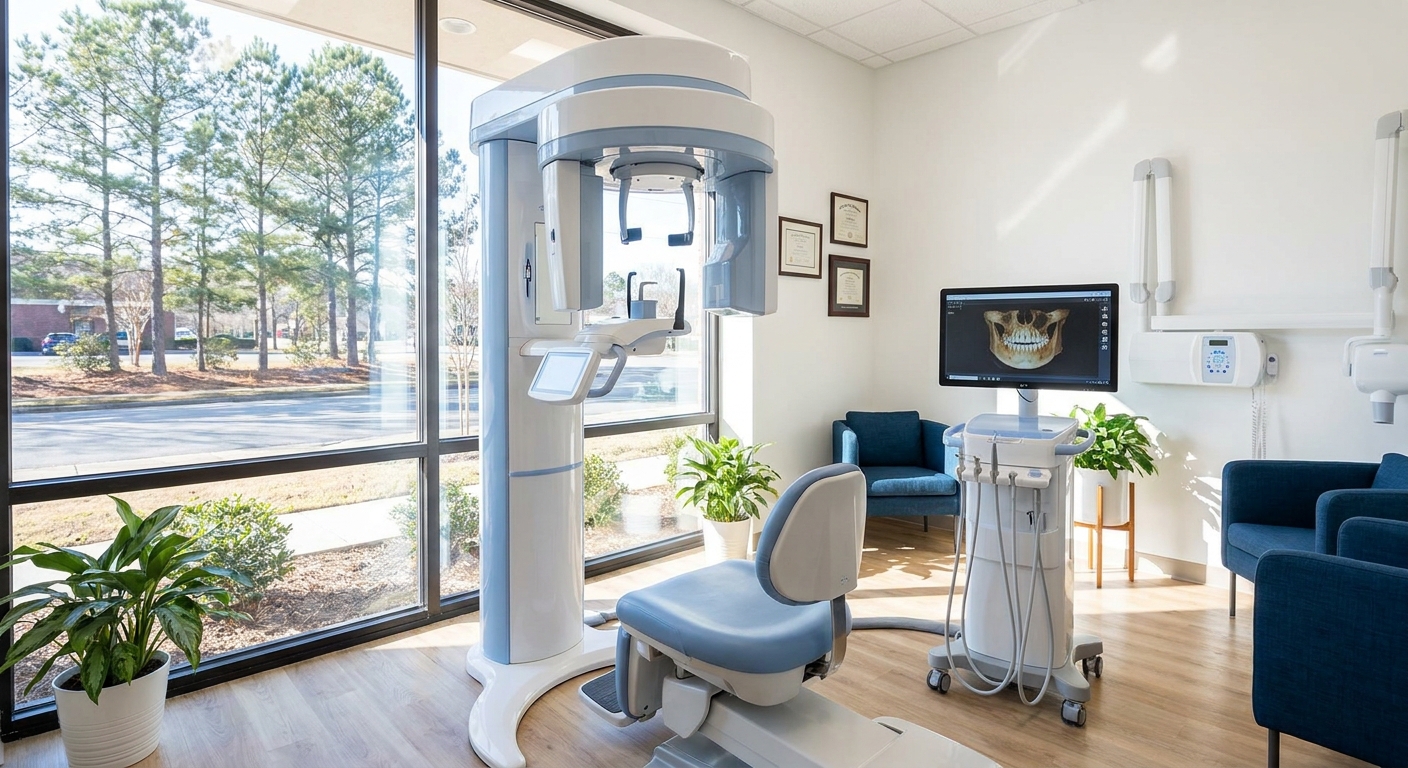
When you present with abscess symptoms, the evaluation is straightforward. A dentist performs a clinical exam, taps on the affected tooth to assess percussion sensitivity, and takes dental X-rays to confirm the location and extent of infection at the root tip or in the surrounding bone. In some cases, a cone-beam CT scan provides a more detailed view of infection spread into adjacent structures.
Treatment depends on the tooth and the extent of damage. If the tooth is restorable, root canal therapy removes the infected pulp, cleans and shapes the root canals, and seals the tooth to prevent reinfection. If the abscess has created significant soft tissue swelling, the dentist may perform incision and drainage to release pressure before proceeding with definitive treatment. If the tooth is too compromised to save, extraction removes the source of infection entirely, after which tooth replacement options become relevant.
Antibiotics are often prescribed when infection has spread systemically, but they address the bacterial load, not the source. A 2021 Cochrane review of antibiotic use in acute dental conditions confirmed that antibiotics alone do not resolve dental abscesses; treatment of the tooth itself is always required. Knowing what to expect removes the uncertainty that causes many patients to delay care longer than is safe.
How to Reduce Your Risk of a Dental Abscess
Most dental abscesses begin as cavities that a dentist can detect long before symptoms develop. Twice-daily brushing with fluoride toothpaste, daily flossing, and limiting fermentable carbohydrates and sugary drinks reduce the bacterial activity that causes decay. If teeth grinding is present, a mouthguard protects enamel from the fractures that create bacterial entry points.
The single most impactful habit is consistent professional care. A 2019 study in the Journal of Dental Research tracking 14,000 adults over ten years found that patients who maintained annual dental visits had a 62% lower rate of untreated decay progressing to pulpal involvement compared to those who sought care only when symptomatic. Understanding what untreated cavities lead to makes the case clearly: decay caught in the enamel is a filling. Decay that reaches the pulp is a root canal or extraction. The professional cleaning at a routine exam isn’t just about hygiene; it’s the checkpoint where early decay gets intercepted before it becomes the emergency you’re trying to avoid.
What to Do This Week
If any of the symptoms described above apply right now, call a dental office today. When you call, describe the specific symptoms clearly: the location and character of the pain, whether you have any visible swelling, whether you have a fever, and how long the symptoms have been present. That information allows the dental team to triage your situation accurately and get you the right level of care.
If you’re symptom-free, the action is simpler. If it’s been more than six months since your last exam, book one. The abscess that wakes someone up at 2 a.m. almost always started as a small cavity that showed up on an X-ray months before any pain appeared. Routine care is what keeps that cavity from becoming an infection.