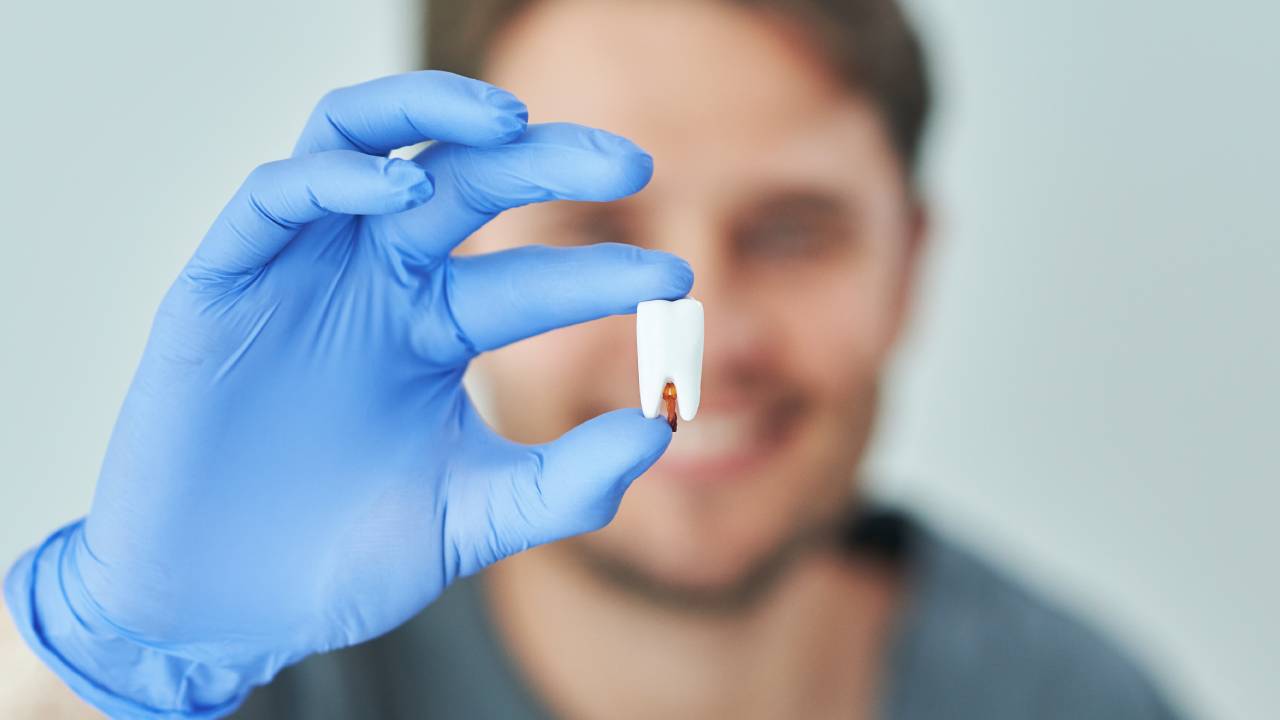
A knocked-out tooth gives you 30 minutes. That’s the window between a tooth that can be saved and one that cannot, and knowing what to do for a knocked-out tooth before it happens is the only way to use those minutes well.
Before You Do Anything: What You’re Working Against
A 2012 study published in Dental Traumatology tracked 400 avulsed teeth and found that replantation success drops sharply after 30 minutes outside the mouth. The clock starts the moment the tooth leaves the socket, not when you walk through a dental office door. Every minute spent confused about the next step is a minute of cell death on the root surface.
The cells that matter here are periodontal ligament cells, the thin layer of tissue clinging to the tooth’s root. These cells are what allow a replanted tooth to fuse back to the bone. Dry time destroys them. Heat destroys them. The wrong storage liquid damages them. Understanding that timeline is what separates a tooth that gets saved from a permanent gap you’ll be managing for the rest of your life.
What You’ll Need in the Next Few Minutes
You don’t need a first aid kit. Everything that improves your odds in this situation is already nearby. A small container with a lid, whole milk, sterile saline (like contact lens solution), a clean cloth or gauze, and an emergency dental phone number are all you need. Most of these are in your home, your car, or a school nurse’s office right now. The value of knowing this list before an emergency is that you won’t waste 90 seconds opening cabinets when every second counts.
Step 1: Pick Up the Tooth the Right Way
Hold the tooth by the crown. That’s the white part you normally see when someone smiles. Do not touch the root.
A 2002 study in the Journal of Endodontics examined periodontal ligament cell viability and found that even brief contact with the root surface damages the cells responsible for successful reattachment. Your fingers introduce pressure, oils, and contamination to the exact tissue the dentist needs intact to make replantation work. Pick the tooth up once, hold it by the crown, and don’t set it down on any surface.
What to Do If the Tooth Is Dirty
Rinse it for 10 seconds under cold running water or saline. That’s the entire cleaning protocol. No scrubbing, no soap, no alcohol, no hydrogen peroxide. You’re removing visible debris, not sterilizing the tooth. Over-cleaning strips the ligament cells just as effectively as dropping the tooth on asphalt.
Step 2: Reinsert the Tooth If You Can
Gently press the tooth back into the socket so it sits at the same level as the surrounding teeth, then bite down softly on a clean cloth to hold it in place. Rinse your mouth with water first if there’s blood pooling in the socket.
A 1995 study in Endodontics & Dental Traumatology found that teeth replanted at the scene of injury had significantly higher long-term survival rates than those transported in any storage medium. No liquid preserves ligament cells as well as the body does. Immediate socket replantation is the highest-impact action available in this window, and if the circumstances allow it, nothing else comes close.
When Immediate Replantation Is Not an Option
If the injured person is unconscious, there is a choking risk, the socket is severely damaged and the tooth won’t seat properly, or the patient is a young child, skip replantation and go directly to the storage step below. Forcing the tooth into a damaged socket causes additional harm and wastes time you don’t have.
Step 3: Store the Tooth in the Right Liquid
If reinsertion isn’t possible, the storage hierarchy goes in this order: milk first, saline second, the space between your cheek and gum third, and plain water as a last resort.
A landmark 1981 study by Andreasen and Hjørting-Hansen published in the International Journal of Oral Surgery, later reinforced by a 2007 Dental Traumatology analysis of 278 cases, established that milk preserves periodontal ligament cell viability for up to 60 minutes. Its osmolality and pH are close enough to the body’s own fluids to keep those root cells alive during transport. Plain tap water, by contrast, damages root cells within 20 minutes due to its low osmolality. Use it only if nothing else is available, and get to the dentist faster.
The Cheek Storage Option and Who Should Avoid It
Storing the tooth between your cheek and gum keeps it bathed in saliva, which is a reasonable short-term medium for adults and older teenagers. For children under 12, this option is off the table entirely. The swallowing and choking risk is too high. For a young child, milk in a small container is the correct choice every time.
Step 4: Call an Emergency Dentist Right Now
The phone call happens at the same time as storage, not after. Pick up the phone while someone else handles the tooth, or make the call the moment the tooth is secured in liquid.
A 2019 survey by the American Association of Endodontists found that most patients with dental emergencies delayed calling by an average of 47 minutes due to uncertainty about whether the situation was urgent enough. A knocked-out tooth is always urgent enough. When you call, say exactly this: a permanent tooth was knocked out, you have it stored in milk, and you need an immediate replantation appointment. That information lets the office prepare before you arrive and cuts time off the procedure. If you’re unsure whether another type of dental situation qualifies as urgent, the answer for a fully dislodged tooth is always yes.
Step 5: Manage Pain and Swelling on the Way In
Apply a cold compress to the outside of the cheek. A 2020 review in the Journal of the American Dental Association confirmed that cold compress application reduces perioral swelling significantly in the first hour after trauma. For pain, standard adult dosing of ibuprofen or acetaminophen is appropriate during transit. Do not apply anything directly into the socket.
What Not to Put in or Near the Socket
Aspirin placed directly on soft tissue causes a chemical burn. Clove oil disrupts the biological environment the dentist needs intact. Hydrogen peroxide kills the cells that remain in the socket. Probing the socket with a finger or any object disturbs the blood clot forming at the base. Leave the socket alone entirely and let the dentist assess it without interference.
Step 6: Handle a Child’s Knocked-Out Tooth Differently
If a baby tooth gets knocked out, do not attempt to replant it. A 2016 clinical guideline update from the International Association of Dental Traumatology confirmed that replanting primary teeth carries a real risk of damaging the developing permanent tooth beneath the gumline. The correct response is still to call a dentist immediately, but the goal shifts from replantation to assessment and space management. The dentist will evaluate the socket, check for damage to surrounding tissue and the permanent tooth bud, and determine whether any intervention is needed.
Troubleshooting: When Things Don’t Go as Planned
The Tooth Broke and You’re Not Sure What You Have
If only part of the tooth came out, or you’re looking at a fragment rather than a whole tooth, collect all the pieces and bring them. A broken tooth is a different clinical situation than a fully avulsed tooth, and what to do when a tooth fractures depends on how deep the break goes. Store fragments in milk the same way you would a whole tooth and get to the dentist without delay.
You Can’t Reach a Dentist Within 30 Minutes
Keep the tooth in milk, call ahead so the office is ready the moment you arrive, and drive. If your regular dentist doesn’t offer same-day emergency care, call around immediately. The 30-minute window is the target, but a tooth stored in milk that arrives at 45 minutes still has better odds than one that sat dry for 20. Time spent calling multiple offices is time the tooth is outside the body.
The Socket Is Bleeding Heavily
Bite down firmly on clean gauze or a folded cloth and maintain pressure. Don’t remove the gauze every 30 seconds to check; consistent pressure is what stops the bleeding. If bleeding is severe or shows no sign of slowing after 15 minutes of direct pressure, go to an emergency room and bring the tooth with you.
Save This Information Before You Need It
Add a local emergency dental number to your phone contacts today. Put a small container and a handwritten note about milk storage in your car’s glove box or your child’s school bag. Those two actions take five minutes and represent the only part of this process you can control before an emergency starts.