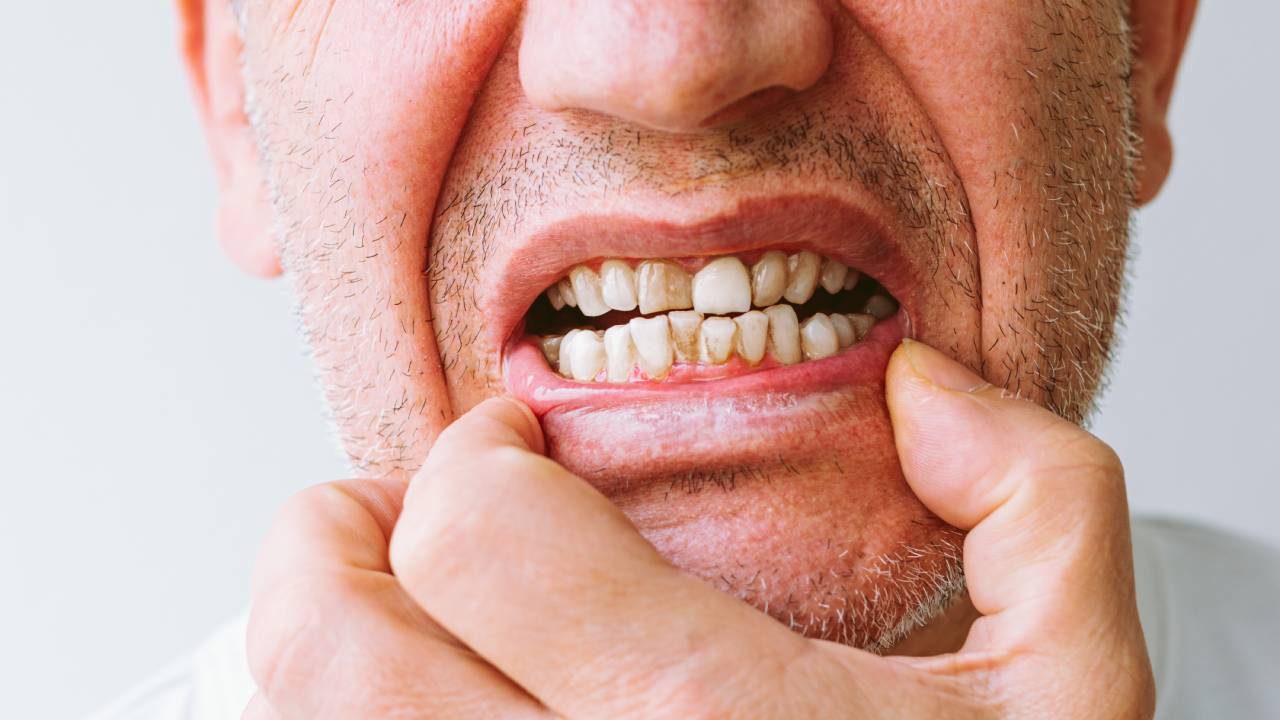
According to the Centers for Disease Control and Prevention, untreated dental infections send more than 2 million Americans to emergency rooms every year, most of them people who noticed symptoms days or weeks earlier and assumed the problem would pass. Knowing what an infected tooth feels like is not about diagnosing yourself at home. It is about recognizing the signals your body is already sending so you can act before the window for simple treatment closes.
What an Infected Tooth Feels Like
A 2022 analysis published in the Journal of Dental Research found that the majority of dental abscess patients had experienced warning symptoms for at least three days before seeking care, and that delayed presentation significantly increased the likelihood of needing extraction rather than a tooth-saving procedure. The symptoms described below are not random discomfort. They are the body’s early warning system, and they follow a recognizable pattern.
The Throbbing Pain That Doesn’t Stop
A standard toothache from a cracked filling or food impaction tends to spike and ease. An infected tooth produces something different: a constant, pulsing pressure that doesn’t give you a break, even when you stop chewing, stop drinking, and lie still.
The mechanism behind this is straightforward. Bacteria reach the soft inner tissue of the tooth, called the pulp, and begin multiplying. The immune system responds with inflammation, which increases pressure inside the sealed cavity of the tooth. That pressure has nowhere to go, and the result is a throbbing sensation that often radiates outward toward the jaw, the ear, or the base of the neck.
The American Association of Endodontists identifies constant, unprovoked pain as one of the primary clinical indicators of pulp necrosis and infection, distinct from the intermittent sensitivity that characterizes earlier-stage decay. Before you call the dentist, take a moment to honestly characterize your pain: is it coming and going in response to triggers, or is it simply always there? That distinction is one of the first things a clinical provider will ask, and having a clear answer shortens the diagnostic process.
Why the Pain Spreads Beyond the Tooth
A 2019 study in the Journal of Endodontics found that nearly 40 percent of patients presenting with dental abscesses initially attributed their pain to a sinus problem, ear infection, or neck tension. The reason this misattribution happens so often is anatomical. The trigeminal nerve, which carries sensation from the teeth and jaw, has branches that overlap with the ear, the temple, and the side of the neck. When the pulp of a lower molar becomes infected and inflamed, the pain signal travels through those shared pathways and surfaces somewhere else.
If you have had persistent ear discomfort or jaw aching with no other clear explanation, the connection between tooth pain and referred symptoms is worth understanding before you schedule the wrong appointment.
Sensitivity to Hot and Cold That Lingers
Early-stage decay or enamel erosion can cause brief sensitivity to temperature, but the sensation fades within a few seconds once the stimulus is removed. With an infected tooth, that recovery does not happen. A 2020 study in the International Endodontic Journal, which analyzed thermal testing data across 300 patients, found that sensitivity lasting longer than 30 seconds after a cold stimulus was removed was a reliable indicator of irreversible pulpitis, the stage at which the nerve is actively dying and infection is typically present.
The practical test is simple. Take a small sip of cold water, hold it briefly near the tooth in question, and then swallow or spit. Start counting. If the aching or sharp sensation fades within five to ten seconds, that is within normal range. If it is still present thirty seconds later, that is your indicator. A same-week appointment is not aggressive for this finding; it is appropriate.
Swollen Gums and a Pimple-Like Bump
A periapical abscess forms at the tip of the tooth root, and as bacterial pressure builds, the body sometimes creates a fistula: a small drainage channel that opens through the gum tissue as a raised, blister-like bump. This is sometimes called a gum boil, and patients often feel relief when it appears because the pressure that was causing intense pain finally has an outlet.
That relief is misleading. According to a review published in BMC Oral Health, the presence of a sinus tract (the clinical term for this drainage channel) confirms that an active infection exists and has already moved beyond the tooth root into surrounding tissue. The drainage is not healing. It is evidence of a process that is ongoing beneath the surface. If you notice a bump like this on your gum line, calling the dentist today, not at the end of the week, is the correct response.
Gum Tenderness, Redness, and Color Changes
Beyond the visible bump, the gum tissue near an infected tooth often becomes noticeably tender, darker in color (ranging from deep pink to red or even a dusky purple), and slightly spongy to light pressure. A 2021 paper in the Journal of Periodontology documented that visible gum changes adjacent to a suspected abscess correlated strongly with radiographic evidence of bone involvement, meaning the infection had already begun affecting the supporting structures of the tooth.
Run a fingertip gently along the gum line near a painful tooth. Normal gum tissue is firm and bounces back. Tissue that feels puffy, gives under pressure, or produces sharp tenderness at a specific point is showing you where the infection is concentrated.
The Taste and Smell You Can’t Brush Away
Bacteria produce sulfur compounds and other byproducts as they break down tissue, and when an abscess drains, those byproducts enter the mouth. The result is a persistent foul taste or metallic odor that returns within hours of brushing and does not respond to mouthwash.
A 2018 review in Clinical Oral Investigations noted that patients with active periapical abscesses consistently reported halitosis and dysgeusia (altered taste) that their standard oral hygiene routine failed to resolve. The mechanism is not mysterious: you are tasting bacterial discharge from an active infection. No amount of surface cleaning addresses the source, and trying to manage it as a hygiene issue delays a real diagnosis.
Report this symptom specifically when you call the dentist. It helps confirm the clinical picture quickly.
Fever, Swollen Lymph Nodes, and Feeling Run Down
When an infection stays localized to the tooth root and surrounding jawbone, it is serious but manageable with dental treatment. When it begins to spread beyond that boundary, the immune system escalates its response in ways you can feel throughout your body.
The CDC identifies fever, swollen lymph nodes under the jaw and along the neck, and general fatigue as systemic indicators that a dental infection is no longer fully contained. The mechanism is bacterial translocation: bacteria or their byproducts enter the bloodstream, triggering a whole-body immune response. Understanding how a tooth infection can spread through adjacent tissue and into the bloodstream matters here, because the timeline can be faster than most people expect.
Fever combined with tooth pain is not a “take ibuprofen and call Monday” situation. It is a same-day call, and depending on the temperature and how quickly symptoms appeared, it may be an emergency room situation before it is a dental office situation.
Difficulty Swallowing or Breathing: The Line You Don’t Cross
Ludwig’s angina is a rapidly spreading bacterial infection of the floor of the mouth that can originate from an infected lower molar. A 2020 case series published in the Journal of Oral and Maxillofacial Surgery documented cases where patients went from localized dental pain to life-threatening airway compromise within 24 to 48 hours.
The specific signs to know are: swelling that pushes the tongue upward or forward, difficulty swallowing or an inability to fully open the mouth, changes in voice quality, and any sensation of throat tightening. These symptoms are not a reason to call a dentist. They are a reason to call 911.
Jaw Pain, Stiffness, and Trouble Chewing
Infection-related inflammation does not stay neatly inside the tooth. As pressure builds and bacterial products spread into surrounding tissue, the muscles and joint structures of the jaw become involved. Chewing on the affected side becomes painful, and many people unconsciously shift to chewing entirely on the opposite side without registering the change.
A 2019 study in Oral Surgery, Oral Medicine, Oral Pathology, Oral Radiology differentiated infection-related jaw stiffness from TMJ disorder based on onset pattern: infection-related stiffness develops quickly, is tied to a specific tooth with accompanying infection signs, and typically worsens over days rather than fluctuating. If your jaw has felt stiff or restricted recently and that change happened alongside tooth pain, that compensation pattern deserves a clinical look. Knowing when tooth pain has progressed to something urgent can help you decide how fast to move.
Increased Tooth Looseness or Sensitivity to Pressure
A tooth that feels slightly mobile, shifts under biting pressure, or produces sharp pain when you press on it directly has entered a more advanced stage of infection. The Journal of Clinical Periodontology documented in a 2021 study that periapical abscess progression erodes the alveolar bone and degrades the periodontal ligament, the connective tissue that anchors the tooth in its socket. Once that erosion begins, the tooth loses structural support.
Press gently on the affected tooth with a fingertip. A healthy tooth does not move. If there is any give, or if direct pressure alone triggers sharp pain without any temperature stimulus, the infection has progressed meaningfully. Every additional week of delay at this stage represents further bone loss that cannot be recovered. This is not a situation where waiting out the pain is a safe option.
What These Symptoms Tell You About Timing
The symptoms above do not all appear at once. Early-stage infection typically presents as lingering cold sensitivity and a mild, constant throb. Advanced infection adds fever, lymph node swelling, tooth mobility, gum drainage, and jaw involvement.
A 2023 review in PLOS ONE that analyzed abscess progression in adults found that in immunocompromised individuals and adults with uncontrolled diabetes, the progression from localized abscess to systemic involvement occurred in as little as 48 to 72 hours. In otherwise healthy adults, the timeline was longer but still measured in days, not weeks. The plain-language takeaway: the gap between “this is uncomfortable” and “this is dangerous” is considerably shorter than most people assume. The symptoms described in this article are the body’s way of communicating urgency before that urgency becomes a crisis.
What to Do Before Your Appointment
The American Dental Association recommends over-the-counter anti-inflammatory medications such as ibuprofen at the labeled dose as the most effective short-term measure for managing dental abscess pain. Keeping your head elevated, avoiding temperature extremes near the affected tooth, and rinsing gently with warm salt water can reduce discomfort while you wait.
What does not work: oil pulling, garlic, clove oil, and similar home remedies do not drain an abscess or reduce bacterial load in the pulp. They may briefly mask sensation, but the infection continues advancing underneath. The only path to resolution is clinical drainage and treatment.
Take the ibuprofen, and call the dentist the same day you recognize the symptoms. Not the same week.
What Happens at the Dentist and Why It Can’t Wait
A 2022 meta-analysis in the Journal of Endodontics reviewed outcomes across more than 12,000 abscess cases and found that early intervention, defined as treatment within 72 hours of symptom onset, preserved the natural tooth in over 85 percent of cases. Delayed treatment, beyond seven days, reduced that rate significantly and increased the likelihood of systemic spread requiring hospitalization.
Treatment options depend on how far the infection has progressed. A root canal removes the infected pulp tissue, clears the bacterial source, and seals the tooth. If the infection has advanced beyond what a root canal can address, extraction followed by drainage may be necessary. Antibiotics are often prescribed alongside these procedures, but they do not eliminate the infection on their own. The source, meaning the infected tissue inside the tooth, must be physically removed. Understanding the signs pointing toward a root canal before your appointment helps you have a more informed conversation with your provider.
For patients in the Mooresville and Lake Norman area who have been putting off dental care because of anxiety, this is the moment to call anyway. The discomfort of a dental appointment is finite. The alternative, an infection that has spread beyond the jaw, is a significantly harder experience with a much longer recovery.
Make the Call Today
If any of the symptoms in this article match what you are experiencing right now, contact a dentist today. Not after the weekend. Not once the pain gets worse. The early signals described here are the most treatable version of this problem, and that window does not stay open indefinitely.