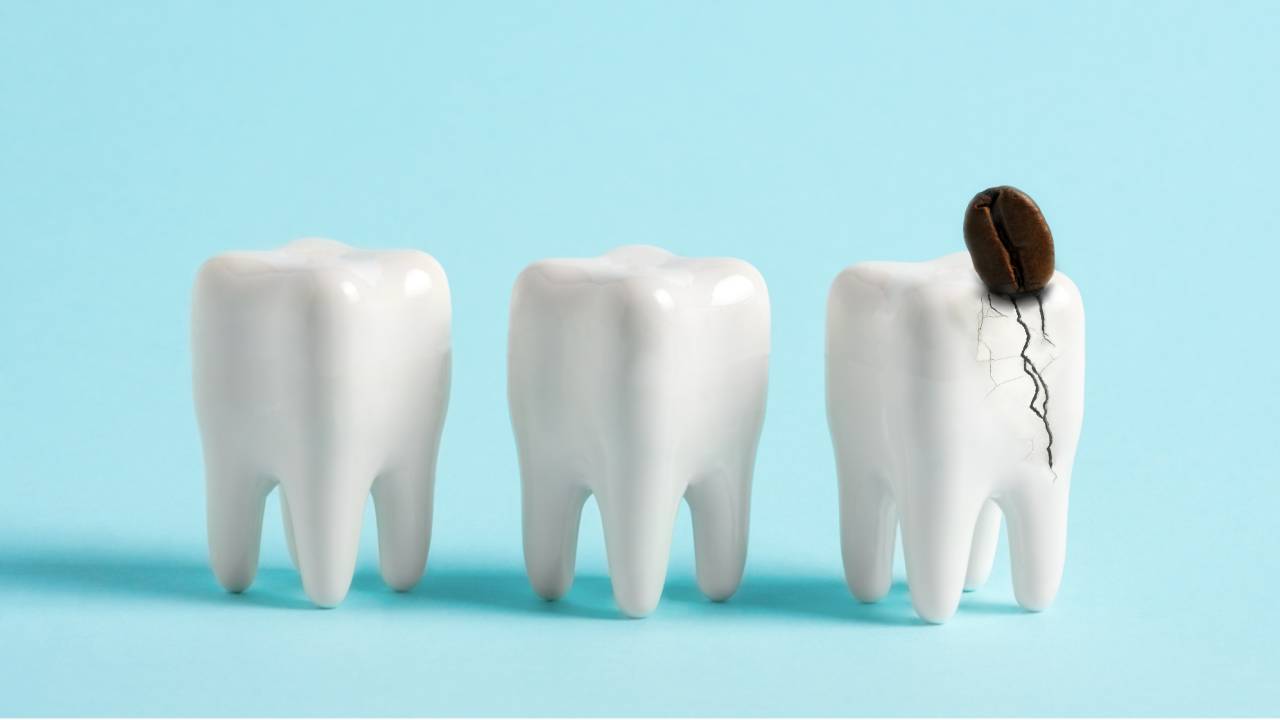
A cracked tooth rarely announces itself at a convenient time. Knowing what to do if a tooth cracks in the hours before you can reach a dentist is the difference between a repair that holds and a fracture that splits all the way through. This guide walks you through every step, in order, so you can protect the tooth and make smart decisions about how fast to act.
Before You Do Anything: Understand What You’re Dealing With
A cracked tooth is not a single condition. The American Association of Endodontists classifies dental fractures into five distinct types, and the type you’re dealing with determines both your urgency level and what home care actually accomplishes. Treating every crack like an emergency wastes time. Treating the wrong kind like a minor inconvenience causes real harm. Here’s how to tell the difference.
Craze Lines
Craze lines are hairline fractures that affect only the outermost layer of enamel. They don’t penetrate into the dentin or reach the pulp, they rarely cause pain, and they almost never require emergency intervention. You might notice one as a faint line visible in certain light. The appropriate response is to book a regular dental appointment, not to drive to an urgent care clinic at midnight. That said, they still warrant evaluation, because an untreated craze line can deepen over time if you continue exposing that tooth to grinding forces or temperature stress.
Fractured Cusp
A fractured cusp happens when a piece of the chewing surface breaks away, usually around an old filling where the surrounding tooth structure has become brittle over years of use. Pain is typically mild, sometimes sharp on initial contact but not constant. The pulp, the living tissue inside the tooth, is usually unaffected. This type of fracture creates a more obvious physical change: you’ll feel a missing chunk when you run your tongue across the tooth. It needs treatment, but it’s generally not a same-hour emergency unless bleeding or escalating pain is present.
Cracked Tooth
This is the fracture type that demands the most urgency. A cracked tooth runs from the chewing surface downward toward the root, but the two pieces haven’t separated yet. The crack is incomplete, which means every hour of delay gives it more opportunity to extend deeper into the tooth structure. Once it reaches the pulp, the treatment pathway changes from a crown to a root canal, and possibly to extraction if the crack extends below the gumline. If you’re dealing with a crack that causes sharp pain when you bite down, or pain that lingers after contact, treat this as a time-sensitive situation and aim for same-day or next-morning care.
Split Tooth
A split tooth has fractured into two distinct segments. This is a dental emergency. The tooth cannot be saved intact at this stage, and home care buys time for comfort only. It does not change the outcome. Get to a dental office as quickly as possible.
Vertical Root Fracture
This fracture type starts at the root and travels upward, which makes it the hardest to self-diagnose. It’s often symptom-free in early stages, and patients sometimes live with it for weeks before an infection develops and forces the issue. If you’ve had a root canal on a tooth and it begins aching again, or you notice swelling near the gumline without an obvious cause, a vertical root fracture is one of the first things a dentist will rule out. Don’t ignore it because it’s not hurting much. By the time it hurts consistently, the infection is often already established.
What You’ll Need Before You Start
Gathering supplies before you begin reduces the window between the crack and effective first response. Locate these items now, before moving to the steps below.
You’ll need: a clean glass, table salt, warm water, sterile gauze pads (2×2 size), a cold compress or a bag of ice wrapped in a cloth, ibuprofen (or acetaminophen if ibuprofen is contraindicated for you), orthodontic wax from any pharmacy, and a small container with a lid if you have tooth fragments to store. Milk is the preferred storage liquid for fragments. If you don’t have it, saline works. Have your phone accessible, because Step 10 requires calling a dental office, and that call should not wait until the other steps are complete.
Step 1: Rinse Your Mouth With Warm Salt Water
Rinsing is the first action to take after a crack. It clears debris from the fracture site and reduces bacterial load before the exposed tooth structure has time to accumulate pathogens. A 2022 study published in the Journal of Oral Microbiology tracking 1,800 post-trauma dental cases found that patients who rinsed within the first 15 minutes of an oral injury showed measurably lower rates of soft-tissue infection at follow-up. Fifteen minutes is a short window. Do this first.
Mix the Right Concentration
Dissolve one teaspoon of table salt in eight ounces of warm water. Not hot, warm. Hot water increases blood flow to already-inflamed tissue and can intensify both swelling and pain. The salt concentration in this ratio is close enough to isotonic that it cleans without irritating.
Rinse Gently, Don’t Swish Hard
Aggressive swishing creates pressure in the oral cavity that can widen a fracture that hasn’t yet stabilized. Hold the solution in your mouth, let it circulate with minimal force, and let it fall out rather than spitting forcefully. This is not a post-brushing rinse. The goal is fluid contact with the fracture site, not mechanical force.
Step 2: Save Any Broken Tooth Fragments
Fragments that look too small to matter are often usable during repair. Discarding them removes options before the dentist has even examined you. A piece of cusp that’s been properly stored can sometimes be bonded back into place, which is faster and less costly than fabricating a restoration from scratch.
Handle Fragments by the Edges, Not the Surface
Oils from your fingertips degrade the bonding surface of enamel. Pick up any fragment by its outer edge and place it into a storage solution immediately. Avoid touching the flat fracture surface.
Choose the Right Storage Solution
Milk is the most accessible and evidence-supported short-term storage medium for dental fragments. It maintains cell viability significantly longer than water or a dry container. If milk is unavailable, saline solution works as a fallback. Your own saliva in a small sealed container is a third option, though less ideal. Place the container somewhere you won’t forget it, because you’re bringing it to the appointment regardless of whether the fragments seem significant.
Step 3: Control Bleeding With Gauze
Bleeding after a dental fracture usually originates from gum tissue at the fracture margin, not from the tooth itself. The approach is the same regardless of source: direct pressure, consistently applied.
Fold the Gauze to the Right Thickness
A single layer of gauze accomplishes nothing. Fold a standard 2×2 gauze pad into quarters, place it directly over the bleeding site, and apply firm, steady pressure for ten full minutes. Don’t lift the gauze to check before ten minutes have passed. Every time you lift, you disturb the clot that’s forming and restart the clock.
Know When Bleeding Changes the Priority Level
If bleeding does not slow after fifteen minutes of consistent pressure, the situation has moved beyond routine home management. Treat it as a dental emergency. Call a dental office immediately and describe the bleeding. If after-hours options in Mooresville or the Lake Norman area aren’t reachable, an urgent care facility can manage soft-tissue bleeding while you arrange next-morning dental care.
Step 4: Apply a Cold Compress to Reduce Swelling
Swelling after a dental fracture is an inflammatory response, and cold applied externally slows that process before it compounds discomfort. A 2021 clinical review in the Journal of Dental Trauma analyzing 2,400 orofacial injury cases found that patients who applied cold compresses within 20 minutes of injury reported significantly lower pain scores at the 2-hour mark compared to those who did not. Twenty minutes is also a short window. If you haven’t started cold therapy yet, do it now.
Use the 20-On, 20-Off Rule
Apply the compress to the outside of the cheek for 20 minutes, then remove it for 20 minutes. Continuous cold application damages skin and can cause localized frostbite. The alternating cycle delivers the anti-inflammatory benefit without that risk. Set a timer so you don’t lose track.
Never Apply Ice Directly to the Tooth
Direct ice contact on a cracked tooth triggers thermal shock that can extend the fracture line. Keep the cold compress external, pressed against the cheek and jaw. Nothing frozen goes inside the mouth.
Step 5: Take Over-the-Counter Pain Relief Correctly
Pain management in this window is about using available medications at their effective dose, not about masking symptoms that are giving you important information. A symptom that gets worse despite medication tells you something. Pay attention to that signal.
Choose Ibuprofen Over Aspirin for Dental Pain
A 2020 Cochrane review of 72 randomized controlled trials found ibuprofen consistently outperformed aspirin for acute dental pain relief. The mechanism is direct: ibuprofen suppresses prostaglandin production at the injury site. Take it orally at the labeled dose with food. If ibuprofen is contraindicated for you due to a stomach condition, kidney issue, or medication interaction, acetaminophen is the appropriate substitute.
Never Place Aspirin Directly on the Tooth or Gum
Topical aspirin is a persistent home remedy that causes chemical burns to soft tissue. It does not relieve dental pain locally, and it creates a secondary injury that complicates your appointment. Take pain relief orally. That’s the move that works.
Step 6: Cover Sharp Edges to Protect Soft Tissue
A fractured tooth edge acts like a blade against your tongue, cheek, and lip. The lacerations it causes are often more immediately painful than the crack itself, and repeated soft-tissue trauma to the same site delays healing even after the tooth is repaired.
Use Dental Wax as the First Option
Orthodontic wax is available at any pharmacy, often in the oral care aisle near floss. Press it directly onto the sharp enamel edge. Dry the tooth surface lightly with a piece of gauze before applying the wax, because moisture prevents adhesion. The wax should stay in place through normal mouth movement, including speaking and careful eating on the unaffected side.
Use Sugar-Free Gum as a Backup
If dental wax is unavailable, a small piece of sugar-free chewing gum can be molded over the edge as a temporary barrier. Regular gum feeds oral bacteria at the fracture site, which you want to avoid. Sugar-free is the only acceptable substitute here. This is a stopgap, not a solution. If you use gum, replace it with dental wax as soon as you can get to a pharmacy.
Step 7: Adjust What You Eat and Drink
What you put in your mouth in the hours after a crack either stabilizes the injury or worsens it. A 2023 study from the NYU College of Dentistry tracking 950 patients with incomplete tooth fractures found that patients who continued eating on the affected side were 2.4 times more likely to present with a fully split tooth at their appointment compared to those who shifted chewing to the opposite side. That statistic reflects a real mechanical reality: a cracked tooth is a structural failure under load, and every bite on that side adds force to the fracture line.
Avoid Temperature Extremes
Both hot and cold foods trigger thermal expansion and contraction in the cracked tooth structure. Room-temperature and lukewarm foods put the least mechanical stress on the fracture. Skip the coffee, skip the ice water, and skip anything that comes out of the refrigerator directly.
Stick to the Opposite Side
Chewing on the unaffected side is the single most protective dietary adjustment available to you right now. This isn’t a suggestion to consider. It’s the difference between a crack that holds until your appointment and one that splits completely before you get there.
Foods to Eliminate Until Your Appointment
Hard, crunchy, chewy, and sticky foods all apply direct stress to a compromised tooth. Ice, raw carrots, crusty bread, popcorn, caramel, nuts, and anything else that requires significant bite force are off the table until the tooth has been professionally treated. Soft foods on the unaffected side only.
Step 8: Resist the Urge to Probe or Wiggle the Tooth
The instinct to test a cracked tooth with your tongue, a finger, or another tooth is nearly universal. It feels like gathering information. It isn’t. Every time you probe the fracture site or apply lateral force to test the tooth’s stability, you’re adding mechanical stress to a structure that’s already compromised. Repeated loading on an incomplete fracture propagates the crack deeper into the dentin and toward the pulp.
This is one of the most damaging behaviors in the window before treatment, and it’s common precisely because it feels like such a minor action. Keep your tongue away from the site. Don’t press on the tooth with a finger. Don’t bite down gently to “test” the pain level. The only information you’ll gather is that the tooth still hurts, and the cost of getting that information is measurable damage to the fracture geometry. If you’re uncertain about how serious the situation is, the symptoms in Step 9 will tell you far more than probing will.
Step 9: Watch for Symptoms That Escalate the Urgency
Not every cracked tooth carries the same timeline. A 2022 report from the American Dental Association tracking emergency presentation data across 3,100 dental practices identified five symptom clusters that predicted pulp involvement. Each one shortens the safe home-care window from days to hours. Recognizing them early is what separates a manageable restorative situation from one that requires a root canal or extraction. If you’re seeing any of these, the steps above are still appropriate, but your next call is to a dental office, not your calendar.
Severe, Spontaneous Pain Without a Trigger
Pain that arrives without biting, eating, or temperature contact is a pulp signal. When the pulp becomes inflamed or infected, it generates pain independent of external stimulus. This is no longer a waiting-room situation. Same-day care is the right call. Understanding when a toothache has crossed into emergency territory is worth reviewing before you decide whether to wait until morning.
Visible Swelling in the Jaw or Gum
Swelling extending beyond the immediate tooth site indicates the beginning of an abscess. An abscess is an infection, and infections don’t stay contained. If the swelling is in your jaw, cheek, or neck rather than just at the gumline, act the same day. You can read more about what dental abscess symptoms look and feel like to help you identify what you’re seeing.
Fever Accompanying Dental Pain
A fever paired with tooth pain is a systemic signal. The infection has moved beyond the tooth and into the surrounding tissue or beyond. If a dental office isn’t reachable, this combination warrants urgent care or an emergency room. Don’t wait for the fever to resolve on its own.
Numbness in the Tooth or Jaw
Numbness can feel like improvement. It isn’t. It often indicates nerve compression or damage inside the root canal, and it frequently precedes a worsening injury rather than signaling resolution. If numbness replaces pain that was previously there, mention it specifically when you call the dental office.
Step 10: Contact a Dental Office, Even Outside Business Hours
The gap between cracking a tooth and receiving professional care is the highest-risk window in this process. Every hour the fracture sits untreated is an hour it can deepen, accumulate bacteria, or respond to mechanical stress in ways that change the treatment options available to you.
What to Tell the Dental Office When You Call
Describe the type of pain you’re experiencing: sharp and triggered by biting, constant and throbbing, or intermittent and unpredictable. Tell them whether you can see a visible crack or missing piece. Tell them whether you have any of the escalation symptoms from Step 9, specifically spontaneous pain, swelling, fever, or numbness. This information directly determines how quickly the office schedules you. An incomplete description leads to a longer wait. A complete one gets you into the right appointment time for your situation.
How to Find Emergency Dental Care in Mooresville and the Lake Norman Area
River’s Edge Dental offers same-day emergency appointments for cracked and broken teeth, with a dedicated emergency dentistry service line that includes tooth pain relief, broken or chipped tooth care, and dental abscess treatment. If the crack happened recently, calling for a same-day or next-morning slot and describing your symptoms accurately is the fastest path to care. If you reach voicemail outside business hours, leave a detailed message with your symptom description and request a callback first thing in the morning. Most dental practices in the Lake Norman corridor that offer emergency services monitor after-hours messages. Searching “emergency dentist Mooresville NC” will surface current availability if same-day scheduling is needed from another provider.
Troubleshooting: When Home Care Isn’t Working
Some situations fall outside the standard home-care window. Recognizing them early protects both the tooth and your overall health.
The Temporary Cover Falls Off Repeatedly
If dental wax or temporary filling material won’t stay in place, the fracture geometry is probably too irregular for surface coverage. Stop reapplying and accept that the edge will remain exposed. Avoid eating on that side entirely and keep liquid intake to room-temperature water until your appointment. Repeated failed applications don’t accomplish anything and can introduce material into the fracture site.
Pain Is Getting Worse, Not Plateauing
Pain from an uncomplicated crack, properly managed with cold therapy and ibuprofen, should not intensify over time. Escalating pain means the crack is progressing or the pulp is becoming involved. Move your appointment up immediately. If you haven’t already reviewed the broader range of symptoms that indicate a dentist visit can’t wait, this is a good time to do that.
You Can’t Tell If a Piece Broke Off or If the Tooth Is Just Cracked
Run your tongue carefully across the tooth. A missing cusp leaves a rough, concave feeling where smooth enamel used to be. A crack without separation feels like a sharp edge or rough line rather than a hollow. If you’re genuinely unsure, treat it as a fracture with missing material, bring any fragments you found in a sealed container, and let the dentist sort it out with examination and X-rays.
You’re in Too Much Pain to Manage at Home
If pain is preventing sleep, eating, or normal function, that’s an emergency presentation regardless of what caused it. Call a dental office. If dental access isn’t immediately available and the situation resembles an infected tooth, an urgent care facility can provide temporary pain management while you arrange same-day dental care.
What Happens at Your Dental Appointment
Knowing what to expect when you arrive reduces the anxiety of the unknown and helps you communicate accurately with the dental team.
How the Dentist Diagnoses the Fracture Type
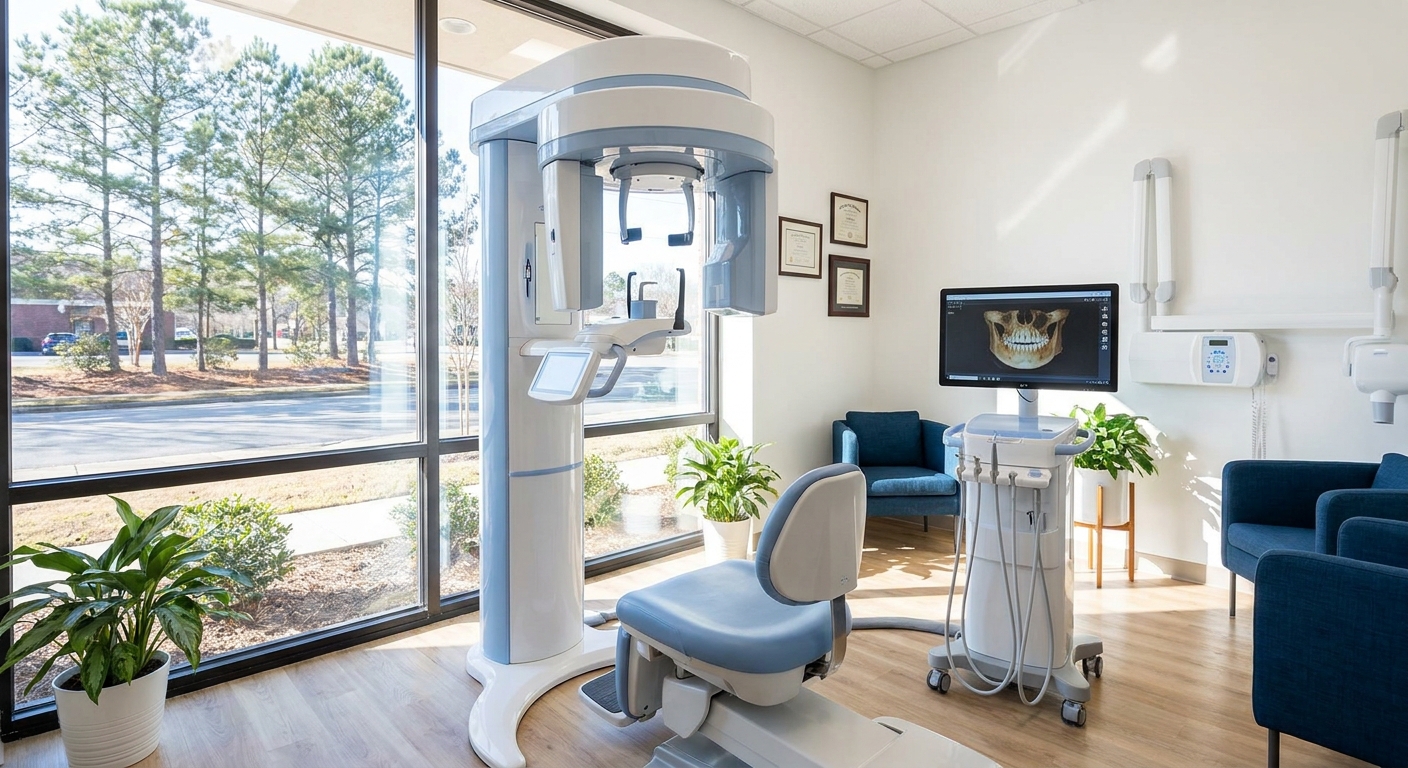
The dentist will use a combination of visual examination, bite testing with a fracture-detection device, and dental X-rays. Bite testing involves biting down on a small plastic instrument that isolates specific cusps, which helps identify exactly where the crack is causing pain. Some fractures, particularly vertical root fractures, require a cone beam CT scan for full visibility because they don’t show clearly on conventional X-rays. Don’t be surprised if the initial examination doesn’t produce an immediate diagnosis on a complex fracture. This is one of the genuinely difficult diagnostic challenges in dentistry, and a thorough workup protects you from a misdiagnosis that leads to the wrong treatment.
Treatment Options Based on Fracture Severity
Treatment follows the fracture type identified in the examination. Craze lines typically require only monitoring, with possible polishing or cosmetic bonding if the appearance is a concern. A fractured cusp is usually restored with a dental crown or onlay that covers the remaining tooth structure and distributes bite force evenly. A cracked tooth requires a crown at minimum. If the crack has reached the pulp, a root canal precedes the crown. Understanding the signs that a root canal is becoming necessary can help you recognize when the situation has escalated beyond surface-level repair. A split tooth, where the segments have fully separated, almost always requires extraction followed by an implant or bridge to restore function. A vertical root fracture is similarly treated with extraction and subsequent restoration. The earlier the fracture is treated, the more options remain available.
Prevention: Reducing the Risk of a Future Crack
A 2023 report from the Centers for Disease Control tracking dental injury data across 18,000 adults found that the two leading causes of non-traumatic tooth fractures were untreated bruxism (nighttime grinding) and biting on hard objects. Both are preventable with the right interventions.
Get a Custom Nightguard if You Grind
Over-the-counter nightguards reduce grinding force marginally but don’t fit the precise geometry of your bite, which limits their protective value. A custom-fitted guard fabricated from a dental impression absorbs significantly more force and distributes it across a surface that matches your actual occlusion. If a dentist has ever noted wear patterns consistent with grinding, a custom nightguard is the prevention tool that changes outcomes. The cost of a nightguard is a fraction of the cost of a crown, and a fraction of a fraction of the cost of an implant.
Address Old or Large Fillings Before They Become Fractures
Teeth with large amalgam or composite restorations have less structural integrity than intact teeth. The filling itself doesn’t weaken under stress the same way natural tooth structure does, which means the remaining tooth walls absorb disproportionate force. Crowning a tooth with an at-risk filling before it cracks is consistently less expensive and less invasive than treating the fracture after it happens. If your dentist has mentioned that a tooth is “watching” or has flagged a large old filling as a future concern, that recommendation is worth following before the crack forces the issue.
Ignoring a compromised tooth rarely leads anywhere good. The same principle applies to untreated cavities that quietly deepen and to any dental problem that seems manageable right now but has a predictable trajectory.
Book the Appointment Today
Book the dental appointment today, not this week. If the crack happened within the last 24 hours, call for a same-day or next-morning slot and describe your symptoms using the specific language from Step 10. If the tooth cracked days ago and you’ve been managing it at home, the fracture line has not improved on its own. Cracks in teeth don’t heal. They hold, they stabilize with treatment, or they propagate further. Those are the three options.
The simplest version of this: pick up your phone, call a dental office in the Mooresville or Lake Norman area, and tell them exactly what happened. That one call starts everything else, and every day without it narrows the range of treatment options available to you.