Tooth pain is one of those symptoms that people second-guess more than almost any other. Is it serious? Can it wait until Monday? Knowing when tooth pain is an emergency versus when it can hold for a scheduled appointment is genuinely useful knowledge, and this guide walks through exactly that distinction.
What Makes Tooth Pain a Dental Emergency
According to the Agency for Healthcare Research and Quality, dental conditions account for roughly 2.1 million emergency room visits in the United States every year. Most of those visits involve pain that had been building for days or weeks before it crossed a threshold the patient could no longer ignore.
A dental emergency is not simply pain that is uncomfortable. It is pain or a physical symptom that signals active tissue destruction, spreading infection, or structural damage severe enough that delay measurably worsens the outcome. The cleaner way to frame it: discomfort that stays contained and mild is a problem for your next scheduled appointment. Pain that is escalating, accompanied by swelling, fever, or discharge, or that wakes you from sleep is a problem for today.
That distinction is the framework this guide builds on. Each section below explains a specific warning sign, why it matters mechanically, and what the right action is.
The Warning Signs That Mean Call Today
A 2022 review published in the Journal of Endodontics found that dental abscesses can transition from localized infection to spreading fascial space involvement in as little as 24 to 48 hours in otherwise healthy adults. The window between “this is uncomfortable” and “this is dangerous” is shorter than most people assume.
Intense, Throbbing Pain That Does Not Stop
A 2021 study in the International Endodontic Journal examined pain patterns in 312 patients with confirmed pulp necrosis, the technical term for a dying or dead tooth nerve. Nearly 90 percent described the pain as throbbing and constant, distinct from the sharp, fleeting sensitivity of a healthy tooth reacting to temperature.
What that throbbing tells you: the pulp chamber inside the tooth is under pressure, either from inflammation, bacterial infection, or both. The nerve has nowhere to decompress. That pressure does not resolve on its own, and it does not respond to ibuprofen the way ordinary muscle pain does. If the pain has been continuous for more than a few hours and feels like a heartbeat inside your jaw, that is nerve or abscess involvement. Run your tongue along the gum near the painful tooth and feel for a raised, tender bump. That bump is a sign of abscess drainage, and it confirms you need same-day attention. For a deeper look at what that infection actually feels like as it develops, there is more detail available.
Swelling in the Face, Jaw, or Gums
Ludwig’s angina is a type of rapidly spreading bacterial infection of the floor of the mouth, and it originates from dental infections more often than from any other source. A 2020 case series published in the Journal of Oral and Maxillofacial Surgery found that the average time from initial dental complaint to life-threatening airway compromise in Ludwig’s angina cases was under 72 hours.
Facial swelling is not a cosmetic problem. It means infection has broken through the tooth’s root and is now occupying soft tissue space. The body is losing containment. Contact an emergency dentist the same day swelling appears. If the swelling is moving toward your throat, you have difficulty swallowing, or your jaw is being forced open by the pressure, go directly to the ER. That is an airway situation, not a dental appointment situation.
Fever Paired with Tooth Pain
The CDC classifies odontogenic infections (infections originating from a tooth) as a documented pathway for sepsis, the systemic inflammatory response to infection entering the bloodstream. Oral bacteria, particularly streptococcal and anaerobic species, are well-established culprits in bacteremia cases that begin as untreated dental abscesses.
A fever above 101°F appearing alongside tooth pain means bacteria are no longer contained in the mouth. When that fever is accompanied by jaw swelling and difficulty swallowing or opening the mouth, that specific combination is an ER-level situation. Do not wait for a dental office to open the next morning. Go to the emergency room, because you need systemic management first.
A Foul Taste or Bleeding That Does Not Resolve
A 2019 study in the Journal of Periodontology examined 224 patients presenting with periodontal abscesses and found that spontaneous drainage, the source of that foul taste, was present in 56 percent of cases. That drainage is the body venting pressure it cannot contain. It sounds like relief, but it is not. Drainage from an abscess means the infection pocket is large enough to rupture, and the underlying infection remains fully active.
Persistent bleeding from the gums that does not resolve within 10 to 15 minutes after biting down on gauze or a clean cloth also needs same-day evaluation. Healthy gum tissue does not bleed freely and continuously. The signs of a dental abscess that precede this kind of drainage are worth recognizing early, before the situation reaches rupture.
Sudden Severe Sensitivity When Biting
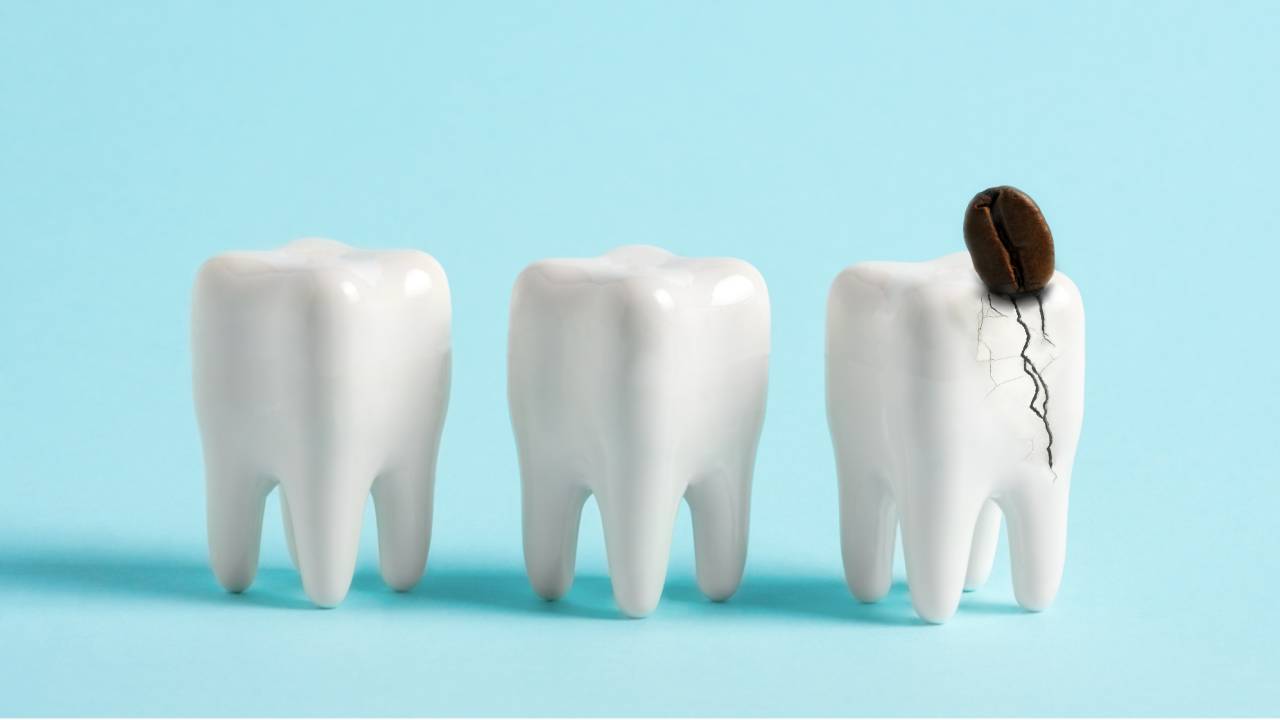
A 2023 retrospective analysis published in Operative Dentistry reviewed 489 cases of cracked tooth syndrome and found that sharp, localized pain on bite pressure followed by rapid resolution was the single most consistent diagnostic marker. That pattern, pain that spikes when you bite down and then fades, points to a cracked cusp or incomplete tooth fracture.
This is not sensitivity that remineralizing toothpaste addresses. Structural fracture means the tooth flexes under pressure in a way that stresses the pulp and surrounding periodontal ligament. Left unaddressed, cracks propagate toward the root, and a tooth that is restorable today becomes a tooth that needs extraction in six months. Understanding whether a cracked tooth can recover without intervention is useful context here: it cannot. The crack will not close on its own.
What Is Not a Dental Emergency
A 2017 study published in the Journal of the American Dental Association, using HCUP data from over 101 million ER visits, found that approximately 40 percent of dental-related ER visits resulted in only a prescription for antibiotics or pain medication, with no definitive treatment possible. Most of those visits involved conditions that an emergency dentist could have handled more effectively, and many involved symptoms that did not actually require same-day care at all.
Mild, intermittent sensitivity to cold that resolves within a few seconds is not an emergency. A lost filling that is not causing significant pain is not an emergency, though it needs a scheduled appointment within a few days to prevent decay in the exposed area. Dull, low-grade aching that comes and goes and is manageable with over-the-counter ibuprofen is not an emergency, though it is a signal that something is developing and you should not keep postponing care.
The decision rule that works: if the pain lets you sleep through the night, it can wait for a scheduled visit. If it wakes you up, if swelling is present, or if the pain is escalating rather than staying stable, it cannot wait.
Emergency Room or Emergency Dentist: Which One
A 2019 study in the Annals of Emergency Medicine found that ER physicians provided definitive dental treatment, meaning an extraction or root canal, in fewer than 1 percent of dental pain cases. What ERs can do: manage systemic infection with IV antibiotics, treat airway compromise, prescribe pain medication, and stabilize a patient whose condition has become medically dangerous. What they cannot do: remove the infected tooth, perform a root canal, or repair the structural problem causing the pain.
That distinction matters practically. If your symptoms include fever above 101°F, swelling that is moving toward the throat or under the jaw, difficulty breathing or swallowing, or visible distortion of the face and neck, go to the ER. Those are medical emergencies that happen to involve a tooth. If your symptoms are severe tooth pain, a visible abscess, or a broken tooth without systemic signs, an emergency dentist is the right call. The ER will address the danger; an emergency dentist addresses the source.
How to Manage Pain While You Wait for Care
A 2020 review in the British Dental Journal evaluated interim pain management strategies and found that ibuprofen at 400 mg, taken every six to eight hours with food, outperformed acetaminophen alone for dental pain with an inflammatory component. For adults without contraindications, alternating ibuprofen with acetaminophen on a staggered schedule provides more consistent coverage than either drug alone.
A salt-water rinse (half a teaspoon of salt in eight ounces of warm water, rinsed gently for 30 seconds) reduces oral bacteria and can offer mild tissue relief. A cold compress applied to the outside of the jaw in 15-minute intervals reduces swelling and numbs the area.
Two things to avoid: placing aspirin directly on the gum tissue, which causes a chemical burn, and applying heat to a swollen face, which accelerates bacterial activity and worsens swelling. Also avoid the impulse to treat the pain and then delay calling the dentist. Make the appointment first. Interim relief is a bridge, not a solution.
How Dental Emergencies Start and How to Prevent the Next One
The ADA reports that roughly 90 percent of dental emergencies involving abscess are directly traceable to untreated decay or skipped preventive care. The pipeline is consistent: a cavity that is not treated progresses through the enamel into dentin, eventually reaching the pulp, and the pulp becomes infected. What happens when a cavity is left to progress follows a predictable path toward exactly the emergency scenarios described above.
Twice-daily brushing, flossing once daily, fluoride toothpaste, and a cleaning appointment every six months interrupt that pipeline before it reaches the pulp. A 2021 study in Dental Traumatology found that athletes who wore properly fitted mouthguards had a 60-fold reduction in dental trauma compared to those playing without them. If you or your child plays contact sports, a custom mouthguard is not optional equipment.
The single most effective prevention step: book your next cleaning before leaving the dental office after this one. Patients who schedule in advance are significantly more likely to keep the appointment, and consistent preventive care is what keeps small problems from becoming emergencies.
What to Do Right Now
If any of the warning signs in this article apply to your current situation, the step is to call a dental office today. Not tomorrow morning, not after the weekend. Same-day emergency appointments exist precisely for tooth pain that has moved past the “wait and see” stage.
For patients in the Mooresville and Lake Norman area, River’s Edge Dental offers same-day emergency appointments for tooth pain, abscesses, broken teeth, and other urgent situations. Waiting converts a treatable problem into a more involved and more expensive one. If you are still trying to gauge how serious your situation is, reviewing how long it is actually safe to delay with a toothache will help you make that call with more confidence.