Tooth pain is one of the body’s most reliable warning systems, and knowing how to know if tooth pain is serious separates a manageable situation from one that becomes far more complicated and expensive. This guide gives you a clear framework to evaluate what your pain is telling you and act on it decisively.
What you’ll learn:
- How to distinguish minor sensitivity from structural damage
- Six warning signs that mean you need a dentist now
- What to do after a dental injury
- How to manage pain while you wait for your appointment
- What a diagnostic visit actually involves
What Tooth Pain Is Actually Telling You
According to a 2019 survey by the American Dental Association involving over 4,500 adults, nearly one in three Americans delayed dental care because they weren’t sure whether their symptoms were serious enough to warrant a visit. That uncertainty has real consequences. Tooth pain is not a random inconvenience. It is a signal that something is happening inside a tooth, around it, or in the supporting tissue. Waiting to see if the pain resolves on its own doesn’t make the underlying problem smaller. It gives it time to grow.
The good news is that most dental pain follows recognizable patterns, and those patterns tell you a great deal about what’s actually wrong.
The Difference Between Minor Sensitivity and Serious Pain
A 2021 study published in the Journal of Endodontics, examining over 600 patients presenting with tooth pain, found that pain duration after a stimulus was the single most reliable predictor of pulp health. Pain that lasted less than 10 seconds after exposure to cold was associated with reversible pulp inflammation in the majority of cases. Pain that lingered beyond 30 seconds after the stimulus was removed correlated strongly with irreversible pulpitis, meaning the nerve tissue inside the tooth was dying or already infected.
The plain-language version: short, triggered pain that fades quickly is your tooth reacting to something. Lingering pain that hangs around after the trigger is gone is your tooth telling you the nerve is in serious trouble.
Your concrete action here is simple. Time your next pain episode. Note what triggered it, when the pain peaked, and how many seconds passed before it resolved. That one data point changes the entire conversation with your dentist.
6 Warning Signs Your Tooth Pain Needs a Dentist Now
Some pain is a yellow flag. The following six signs are red ones. These are not maybes. Each one points to something structural or infectious happening inside the tooth or in the surrounding tissue.
Intense, Throbbing Pain That Won’t Quit
The American Association of Endodontists reports that spontaneous, unprompted tooth pain, particularly throbbing pain that wakes patients at night, is one of the most consistent indicators of pulp necrosis or periapical abscess. When the nerve inside a tooth dies or becomes infected, it produces pain that no longer requires a trigger. It simply arrives.
Throbbing pain that has persisted for more than 48 hours without an obvious cause like a recent procedure is not going to resolve on its own. Call the dentist today. If you’re wondering whether this situation qualifies as urgent, the answer is yes. Understanding when tooth pain crosses into emergency territory can help clarify how quickly you need to act.
Swelling in Your Face, Jaw, or Gums
A 2020 study published in the Journal of Oral and Maxillofacial Surgery analyzed 312 patients admitted to hospital emergency departments with odontogenic infections. Over 40% had experienced swelling for more than three days before seeking care, and a significant portion had developed spreading infections that required hospitalization rather than outpatient treatment.
Swelling means the infection has moved beyond the tooth itself. If your face, jaw, or gum tissue is visibly swollen alongside tooth pain, that is not a wait-and-see situation. If the swelling makes it difficult to swallow or limits how far you can open your mouth, go to an emergency room immediately, not an urgent care, not a same-day dental appointment. That combination signals the infection is near your airway.
Pain When You Bite or Chew
Bite pain is one of the hallmark symptoms of cracked tooth syndrome, and the detail that matters most is timing. A 2018 clinical review in Dental Traumatology distinguished two patterns: pain that spikes on biting pressure, then disappears immediately when you release, points to a crack in the enamel or dentin. Pain that actually intensifies in the seconds after you release the bite points to deeper nerve involvement, often irreversible pulp damage.
When you report this symptom, tell your dentist exactly which pattern applies. That one detail changes the diagnostic direction significantly. If you’ve been wondering whether a cracked tooth can resolve without treatment, the short answer is that it cannot. Cracks don’t close on their own.
Tooth Sensitivity That Lingers
Transient sensitivity after whitening treatments or minor enamel erosion is common and generally harmless. The threshold that separates nuisance sensitivity from a clinical problem is roughly 30 seconds. According to the Journal of Endodontics study referenced earlier, sensitivity lasting 30 seconds or more after a cold stimulus is removed is a reliable marker of pulp inflammation that has progressed beyond the reversible stage.
A single 60-second cold ache after drinking ice water is more meaningful than two weeks of mild, fleeting sensitivity. If prolonged sensitivity has been happening consistently for more than two weeks, schedule a diagnostic appointment this week.
A Bad Taste or Smell Coming From the Area
A persistent foul taste or smell localized to one area of the mouth is not a hygiene problem. It is bacteria draining from an infected space. A 2022 review in BMC Oral Health identified spontaneously draining dental abscesses as a source of chronic oral infection that patients frequently underestimated in severity, often attempting to manage it with mouthwash for weeks before seeking care.
That taste is an active infection. It will not resolve with rinsing. For more on what the early signs of a dental abscess actually feel like, the pattern is worth understanding before your appointment. Do not mask the symptom and wait. This is a same-week dental visit, at the very latest.
Fever Paired With Tooth Pain
A 2019 study in the Journal of Emergency Medicine analyzing 400 odontogenic infection cases found that fever was present in 34% of patients who required inpatient treatment for spreading oral infections. Fever is the body’s systemic response to infection, meaning the bacteria have moved into the bloodstream or surrounding tissue.
A temperature above 101°F alongside tooth pain is a medical emergency. Do not wait for a regular dental appointment. Go to an emergency dentist or urgent care the same day. The question of how dangerous a dental abscess can become is not an abstract one. Left untreated, these infections can reach the airway, the heart, or the brain.
When Pain After an Injury Needs Immediate Attention
The American Association of Endodontists puts the reimplantation window for a knocked-out permanent tooth at 30 to 60 minutes. After that, survival rates for the tooth drop sharply. If you or someone nearby loses a tooth due to blunt force, a sports injury, or a fall, the clock starts immediately.
Keep the tooth moist. The best options are placing it gently back in the socket (if the person is conscious and cooperative), storing it in milk, or holding it between the cheek and gum. Get to a dentist or emergency room immediately. For a step-by-step guide on handling a knocked-out tooth in the first half hour, the protocol matters more than most people realize.
Tooth Pain vs. Non-Dental Sources of Mouth Pain
Not all jaw and tooth pain originates from a tooth. Referred pain, where discomfort registers in the mouth but originates elsewhere, is well-documented in clinical literature. A 2017 review in the Journal of the American Dental Association identified sinus infections, temporomandibular joint (TMJ) disorders, and, in rare cases, cardiac events as sources of pain that patients and even clinicians initially attributed to dental causes.
Sinus-related tooth pain has a specific pattern: it typically affects multiple upper back teeth simultaneously, feels like a dull pressure rather than sharp pain, and shifts in intensity when you change head position, bending forward often makes it worse. If your tooth pain moves around, affects several teeth at once, and worsens when you’re congested, mention that to both your dentist and your primary care provider. These are distinct presentations that point in different directions.
What to Do While You Wait for Your Appointment
A 2020 Cochrane Review comparing ibuprofen and acetaminophen for acute dental pain found that ibuprofen at standard doses (400mg) provided superior pain relief in most adults due to its anti-inflammatory mechanism, not just its analgesic effect. Dental pain is often driven by inflammation, which is why ibuprofen outperforms acetaminophen in most tooth pain scenarios.
Take the correct over-the-counter dose as directed, rinse with warm salt water to reduce bacterial load in the area, and avoid applying heat to the outside of your face. Heat draws blood flow to an already inflamed area and can intensify pain. Placing aspirin directly on the gum does not work and causes chemical burns to the tissue. These are holding strategies, not fixes. Confirm your appointment time, and don’t cancel it because the pain temporarily eases.
What Happens When You Get to the Dentist
A 2021 survey by the Oral Health Foundation found that dental anxiety was the primary reason 36% of adults who reported tooth pain delayed seeking care for more than a week. Knowing what to expect at a diagnostic appointment removes a significant part of that barrier.
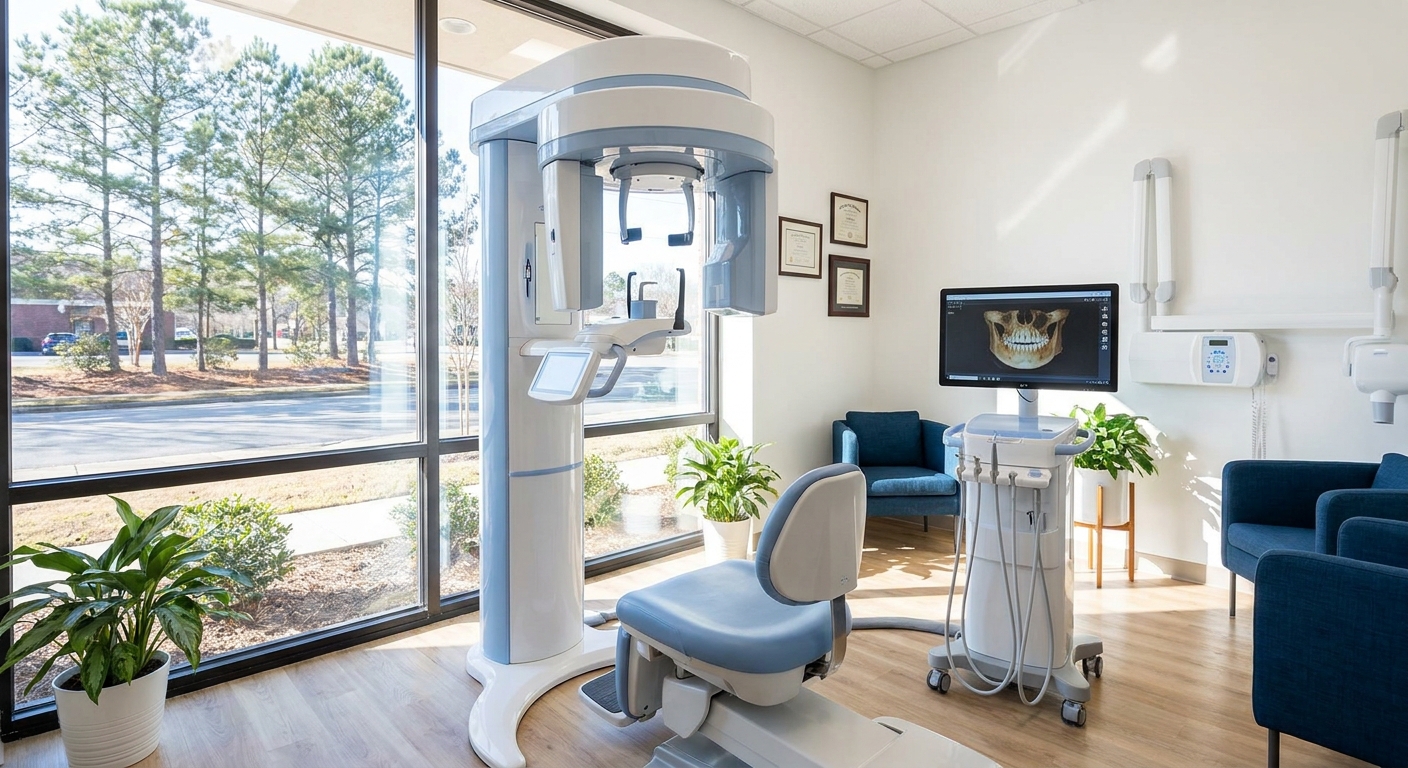
A typical evaluation involves dental X-rays, percussion testing (tapping on the tooth to assess tenderness), cold or heat testing to evaluate pulp response, and a visual exam of the surrounding gum tissue. Based on those findings, your dentist will identify whether the issue is a cavity, a crack, pulpitis, or an abscess, and each of those diagnoses leads to a different and specific treatment path. Early diagnosis consistently reduces treatment complexity and cost. A cavity caught now is a filling. Left longer, it becomes something closer to what happens when decay is left untreated, which is a more involved and expensive conversation.
Write down your symptom timeline before you go: when the pain started, what triggers it, how long each episode lasts, and whether anything makes it better or worse. That information shortens the diagnostic process significantly.
How to Prevent the Pain From Coming Back
A 2019 study in the Journal of Dental Research tracking 8,000 adults over a decade found that patients who attended routine dental exams twice per year were 60% less likely to require emergency dental treatment compared to those who attended once per year or less. The patients who end up with abscesses and dental emergencies are, disproportionately, the ones who skipped the preventive appointments.
Fluoride toothpaste, consistent flossing, and limiting acidic and sugary foods all reduce decay risk. If you grind your teeth at night, a nightguard protects against the fractures and sensitivity that grinding accelerates over time. None of this is complicated. The gap between knowing and doing is usually scheduling.
What to Try Before the End of This Week
The action depends on where you are right now. If you have active pain matching any of the six warning signs above, call a dentist today. Not this weekend. Today. If your pain has been mild, intermittent, or recently resolved, schedule a diagnostic exam within the week anyway. Resolved pain doesn’t mean a resolved problem. And if dental anxiety has been the reason you’ve been putting this off, name that when you call. Dental offices serving patients with anxiety concerns handle that conversation every day. The first call is the only hard part.