A dental abscess is dangerous, and the answer to that question is not nuanced. What starts as a pocket of bacterial infection in or around a tooth can progress to a life-threatening emergency if left untreated. This article explains exactly what an abscess is, how it develops, what it can do to your health beyond the tooth itself, and what treatment actually looks like.
What Is a Dental Abscess
A dental abscess is a localized collection of pus caused by a bacterial infection inside or around a tooth. The infection creates pressure, which is where that characteristic severe, throbbing pain comes from. There are two primary types. A periapical abscess forms at the tip of the tooth’s root, typically when bacteria reach the pulp, the soft inner tissue containing nerves and blood vessels. A periodontal abscess forms in the gum tissue beside the root, usually as a complication of gum disease.
According to the CDC, nearly half of American adults over age 30 show signs of gum disease, and untreated tooth decay remains one of the most common chronic conditions in the United States. Both are direct pathways to abscess formation. The condition is not rare, and it is not minor.
How a Dental Abscess Develops
The pathway to an abscess follows a predictable sequence. Bacteria enter the tooth through a cavity that has penetrated deep enough to reach the pulp, a crack that exposes inner tissue, or gum pockets created by periodontal disease. Once inside, bacteria multiply in an environment that lacks the blood supply to fight infection naturally. The immune response creates pus, the pus builds pressure, and the abscess forms.
A 2016 analysis published in the Journal of Dental Research found that approximately 27% of U.S. adults have untreated dental caries, the decay that creates the entry point for abscess-causing bacteria. What this means in practice: the cavity you have been putting off treating is the same cavity that eventually reaches the pulp. The abscess does not appear randomly. The condition that allowed it to form is identifiable, and it was treatable at an earlier stage.
Understanding what happens when you leave a cavity unaddressed is one of the clearest ways to see how an abscess becomes inevitable. Decay that sits untreated for months or years does not stay shallow.
Risk Factors That Make You More Vulnerable
Not everyone with a cavity develops an abscess, but certain conditions significantly raise the odds. Poor oral hygiene allows bacterial populations in the mouth to grow unchecked. A high-sugar or high-carbohydrate diet feeds those bacteria directly, accelerating acid production and enamel breakdown. Dry mouth, which reduces saliva’s natural antibacterial function, is another compounding factor, often caused by medications for blood pressure, depression, or allergies.
Smoking suppresses immune response in gum tissue and reduces blood flow, making infections harder to contain. Immunosuppression from conditions like diabetes, HIV, or cancer treatment limits the body’s ability to fight oral bacteria before they breach the pulp. Previous dental work that was incomplete or never followed through on, a crown placed over decay, a filling that cracked years ago, also raises risk.
A 2022 CDC report on oral health disparities identified adults with diabetes and those who smoke as the two groups most frequently presenting with advanced dental infections. Before your next appointment, identify which of these risk categories applies to your situation. That context shapes both the urgency and the treatment conversation.
Symptoms That Signal a Dental Abscess
The most recognizable symptom is a severe, throbbing toothache that does not let up. The pain is often constant, worsens when you lie down, and radiates toward the jaw, ear, or neck. Sensitivity to hot and cold temperatures and sharp pain when biting or pressing on the tooth are also typical. Fever, visibly swollen lymph nodes in the neck or jaw, facial swelling, and a foul taste or smell in the mouth, especially after meals, round out the classic presentation.
Here is the part most people do not know: some abscesses cause no pain at all. When the tooth’s nerve has died from advanced decay or previous trauma, the pain signal disappears. The infection, however, does not. A 2020 clinical review in the British Dental Journal documented a significant proportion of periapical abscesses discovered incidentally on X-rays, with no reported symptoms in the patient. This is the silent version, and it is arguably more dangerous because it removes the warning system entirely.
If you are noticing symptoms that suggest something is wrong but you are not sure how serious they are, the absence of severe pain does not mean the absence of infection.
When the Symptoms Become an Emergency
Most abscesses require urgent dental care, meaning an appointment within 24 to 48 hours. A subset requires immediate emergency evaluation, meaning the same day, or the emergency room if a dentist is not reachable.
The red-flag symptoms are specific. Difficulty swallowing or breathing signals that swelling has moved into the airway. Spreading facial swelling that extends toward the eye or down the neck indicates the infection is traveling along tissue planes. A high fever paired with confusion or disorientation is a sign of systemic involvement. The inability to fully open your mouth, a condition called trismus, suggests the infection has reached the muscles of mastication.
A 2018 study published in the Journal of Endodontics analyzed emergency department visits for dental conditions and found that over 800,000 Americans present to ERs annually for dental infections, with a meaningful portion involving signs of spreading infection beyond the oral cavity. Knowing this threshold before you need it matters. Understanding when tooth pain crosses into emergency territory is not alarmist preparation, it is basic health literacy.
Yes, a Dental Abscess Is Dangerous , Here’s Why
The direct answer: an untreated dental abscess does not resolve on its own. It spreads. The bacteria do not stay contained to the tooth. A 2021 review in Oral Surgery, Oral Medicine, Oral Pathology, and Oral Radiology noted that Ludwig’s angina, a rapidly spreading infection of the floor of the mouth, has a mortality rate that can reach 30 to 40% without immediate surgical intervention, and dental infections are the most common precipitating cause. That is not a rare complication from a rare condition. It is a documented consequence of a common infection that was not treated in time.
Waiting it out is not a medically viable option. The infection has no natural endpoint that results in resolution.
How the Infection Spreads Beyond the Tooth
From the root tip or gum, bacteria travel along pathways determined by anatomy. The infection moves into surrounding bone first, then into the soft tissue spaces of the neck and jaw. From there, it can descend into the chest, causing a condition called descending necrotizing mediastinitis, an infection of the tissue surrounding the heart and lungs. It can also travel upward toward the brain via the cavernous sinus, causing cavernous sinus thrombosis, a clot-related infection with serious neurological consequences.
A 2019 case series published in the Journal of Oral and Maxillofacial Surgery documented patients who required ICU admission and multi-day surgical intervention for infections that originated as routine periapical abscesses. In plain terms: the distance between a toothache and a hospitalization is shorter than most people assume. The tissue planes the infection travels along are continuous, and once the spread begins, it moves faster than many patients expect.
The Link Between Dental Infections and Systemic Health
Oral bacteria entering the bloodstream through an abscess create systemic inflammation well beyond the jaw. A landmark 2019 study published by the American Heart Association found strong associations between periodontal pathogens and increased risk of cardiovascular events, including heart attack and stroke. The same bacterial strains identified in dental infections have been found in atherosclerotic plaques in coronary arteries.
For patients managing diabetes, the relationship runs in both directions: elevated blood sugar worsens infection severity, and active oral infection makes blood glucose harder to control. Pregnancy outcomes are also affected, with multiple studies in the Journal of Periodontology linking untreated dental infections to preterm birth and low birth weight. Treating the abscess protects far more than the tooth.
Tooth Loss as a Direct Consequence
Even in cases where the infection does not spread systemically, the local destruction it causes is irreversible. Bacteria break down the bone surrounding the root. Once enough bone is lost, the tooth has no structural support and cannot be saved. At that point, extraction is not a choice, it is the only option.
The ADA Health Policy Institute has documented that tooth loss from infection-related bone destruction is one of the most preventable causes of edentulism in American adults. Early treatment, meaning drainage, root canal, or both, preserves the tooth. Delayed treatment eliminates the option. If you are weighing how long you can reasonably wait, understanding the real timeline of a toothache changes the calculus.
How a Dental Abscess Is Diagnosed and Treated
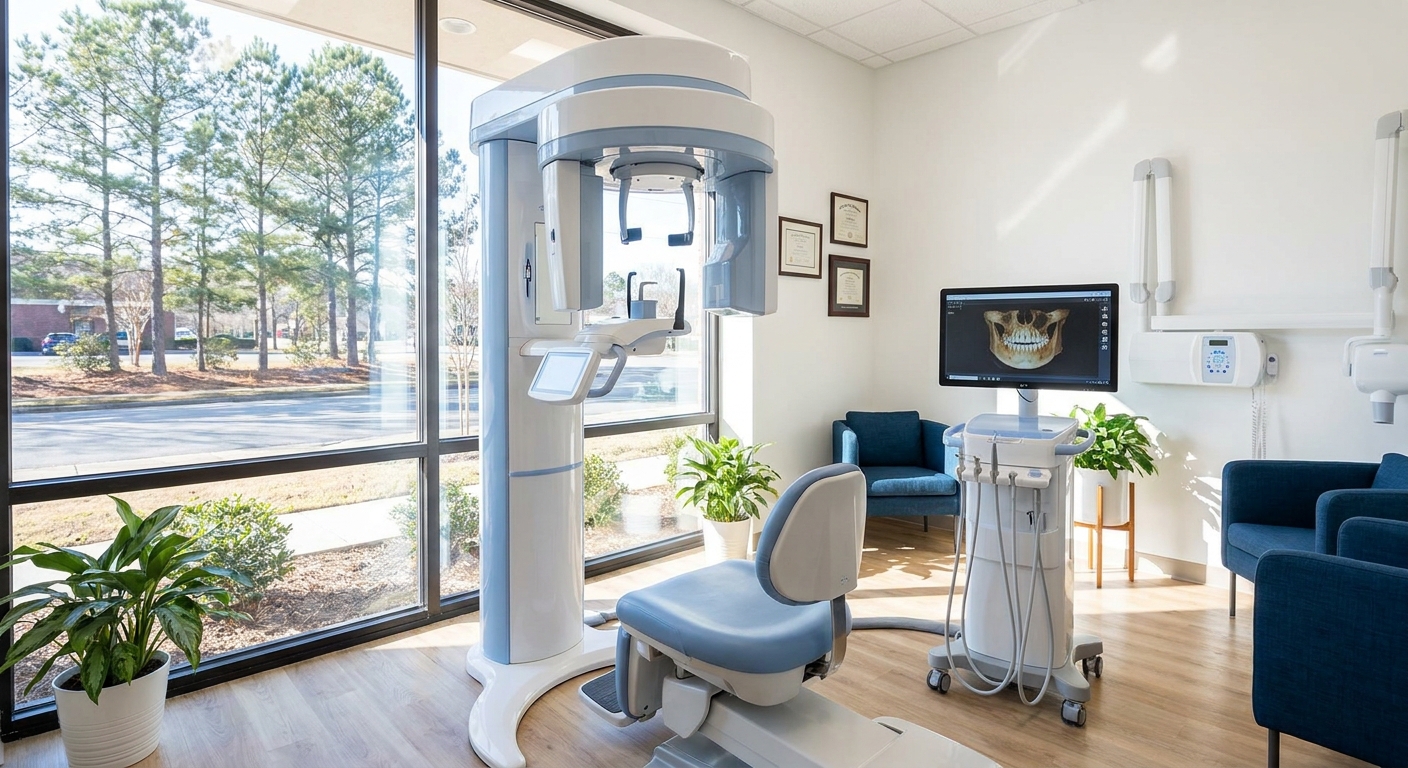
Diagnosis starts with a clinical exam: checking for tenderness, swelling, and the location of the pain. X-rays reveal bone involvement around the root tip, the dark shadow on a periapical film that tells a dentist how far the infection has traveled into the supporting bone. When spread beyond the tooth is suspected, CT imaging gives a more detailed picture of tissue involvement in the neck and jaw.
Treatment follows a clear sequence based on clinical guidelines from the American Dental Association. The first priority is eliminating the source of infection, not managing the symptoms. Antibiotics are part of the protocol in many cases, but the ADA guidelines are explicit: antibiotics without definitive drainage have limited effectiveness and high recurrence rates. The source has to be physically removed or drained.
Drainage: Removing the Source
Whether the dentist accesses the abscess through a root canal or makes a small incision in the gum tissue depends on the type and location of the infection. Both approaches accomplish the same thing: releasing the pressure, removing the infected material, and collapsing the bacterial environment that allowed the infection to persist. The immediate result after drainage is a drop in pain, reduced fever, and the beginning of actual healing.
The procedure is done under local anesthetic. The pain of the abscess itself is typically far worse than the procedure used to treat it. Ask your dentist directly whether drainage is part of the treatment plan at your appointment, not assumed. Knowing the plan before you sit down removes a significant amount of anxiety from the process.
Root Canal Treatment
A root canal is the preferred treatment when the tooth structure is intact enough to restore. The procedure removes infected pulp tissue from inside the tooth, cleans and shapes the root canals, and seals the space to prevent reinfection. Afterward, the tooth is typically restored with a crown. The tooth remains functional.
A 2016 survey by the American Association of Endodontists found that patients who had undergone root canal therapy rated the procedure as no more uncomfortable than having a filling placed. The fear attached to root canals is historically earned but clinically outdated. Modern anesthesia makes the procedure manageable, and the alternative, an abscess that continues spreading, is far more painful. If you are already experiencing the warning signs that a root canal may be necessary, the procedure is the resolution, not an additional problem.
Antibiotics: Supportive, Not Curative
Antibiotics reduce the risk of systemic spread and help the immune system contain the infection, but they do not eliminate the localized source. A Cochrane Review on antibiotic use for acute apical abscesses concluded that antibiotics prescribed without accompanying drainage resulted in incomplete resolution and high rates of symptom recurrence. The bacteria survive inside necrotic tissue where antibiotics cannot reach in sufficient concentration.
If a prescription is written without a clear plan for drainage or a root canal, ask when that procedure is scheduled. Antibiotics buy time and reduce risk. They do not cure the abscess.
Can a Dental Abscess Heal on Its Own
No. An abscess that ruptures on its own, draining through the gum or into the mouth, produces temporary pressure relief. The throbbing diminishes. The swelling may go down slightly. Patients frequently interpret this as improvement and delay their appointment. It is not improvement.
The bacterial source inside the tooth or bone remains. The infection continues. A 2017 review in the Journal of the American Dental Association described spontaneous rupture as a change in the abscess’s expression, not its resolution. The bacteria do not leave with the pus. Feeling better after a rupture is a false signal, and acting on it delays care that is still fully necessary.
How to Prevent a Dental Abscess
Prevention comes down to consistent, unglamorous habits. Brushing twice daily with fluoride toothpaste, flossing daily to remove the interdental bacteria that standard brushing misses, and limiting fermentable carbohydrates that feed decay-causing bacteria are the baseline. But the single most effective preventive step is treating cavities before they reach the pulp.
A 2020 study from the ADA Health Policy Institute found that adults who attended at least one preventive dental visit per year had significantly lower rates of emergency dental treatment, including abscess-related visits, compared to those who deferred care. Routine cleanings give your dentist the opportunity to identify decay at the stage where a simple filling is the solution, before it becomes an infection requiring drainage, a root canal, or extraction.
The action here is direct: book the cleaning or check-up you have been postponing. If cost or dental anxiety has been the barrier, both are addressable with the right dental office. They are not reasons to let a cavity progress unchecked.
What to Do This Week
If any symptom described in this article applies to you right now, the single action is to call a dentist today. Not this week. Today.
Early treatment is the difference between a straightforward, one-appointment procedure and a hospitalization. The infection does not pause while you weigh your options or wait for a more convenient time. The bone destruction is happening now. The bacterial spread is already in motion. Every day of delay narrows the treatment options and increases the clinical complexity.
Booking an appointment is the one step that resolves every danger covered in this article. Everything else, the fear, the cost concern, the question of whether it is serious enough, becomes manageable once you are in the chair and the infection has been addressed. Getting evaluated is not an overreaction. Waiting is.