Dental exam importance
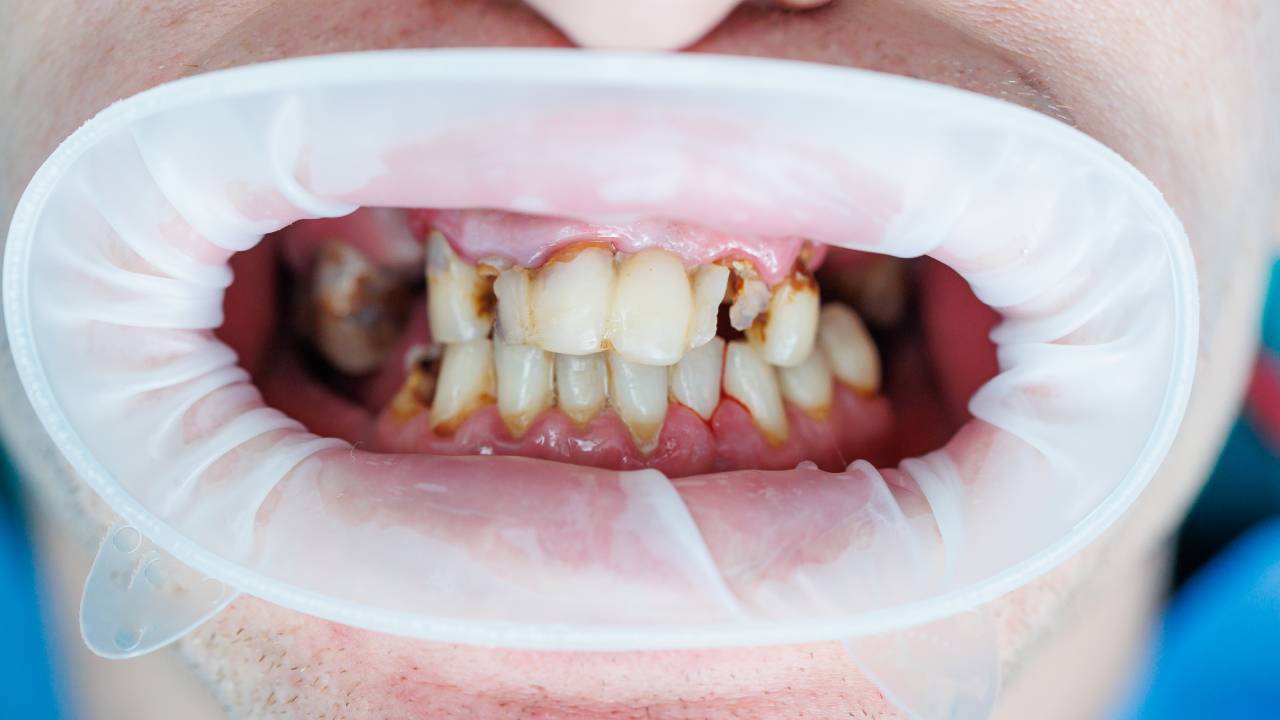
Scheduling a dental exam today is the first step toward taking control of your oral health. By getting a preventive dental exam appointment at least every six months, you reduce the risk of tooth decay, gum disease, and other problems that can escalate into more complex and costly treatments. Most adults and children need to have a routine dental exam every six months to help prevent common oral health problems like tooth decay and gum disease, as stated on MedlinePlus by the U.S. government [1].
Early detection matters. A thorough checkup can catch small issues before they become big headaches. Cavities, gingivitis, and even early signs of oral cancer are far easier to treat when caught in their earliest stages. Routine exams also let your dentist track changes over time, creating a baseline that makes it simpler to spot subtle shifts in your oral health.
Babies should have their first dental appointment within six months of getting their first tooth, or by their first birthday, with most infants needing an exam every six months thereafter [1]. Establishing these habits early sets the stage for a lifetime of healthy smiles.
First visit experience
Your first visit with a new dentist might feel unfamiliar, but understanding what to expect can ease any anxiety. Whether you are booking a new patient dental visit or arranging an initial dental consultation, the process follows a clear sequence designed to give you a complete picture of your oral health.
Patient history review
Before any instruments touch your teeth, you will go through a patient history review. You’ll discuss any medical conditions, allergies, medications, and past dental experiences. This conversation helps your dentist tailor care safely, especially if you need antibiotics beforehand for certain heart conditions or have concerns like dental anxiety [1]. Understanding your daily habits—diet, home care routine, tobacco or alcohol use—also paints a full picture. These details inform preventive strategies and highlight areas where small habit changes can yield big benefits.
Professional cleaning
Next comes a professional cleaning by a dental hygienist or certified assistant. Using specialized tools, they will remove plaque and tartar buildup above and below the gum line, polish your teeth to remove surface stains, and apply fluoride if needed. This routine dental procedure lays the groundwork for a more precise examination by the dentist [2]. A clean surface not only looks and feels better, but it also helps your dentist and hygienist spot potential trouble spots more easily.
Dentist examination
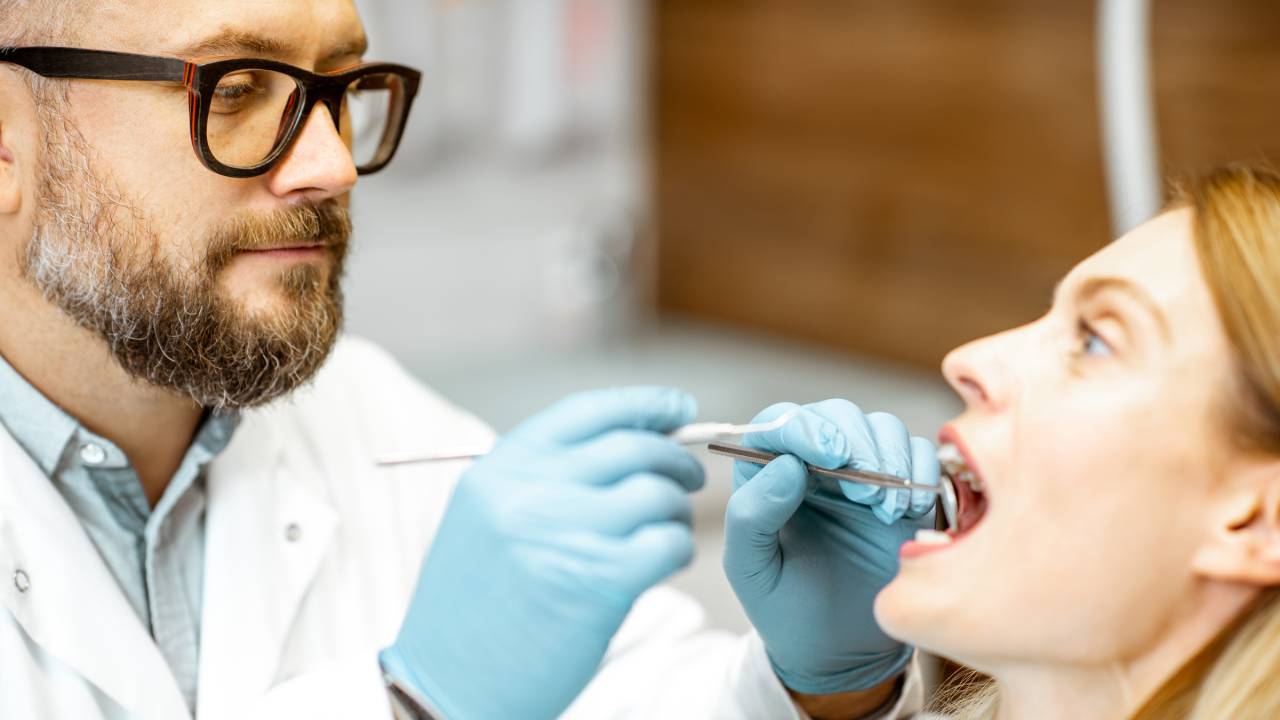
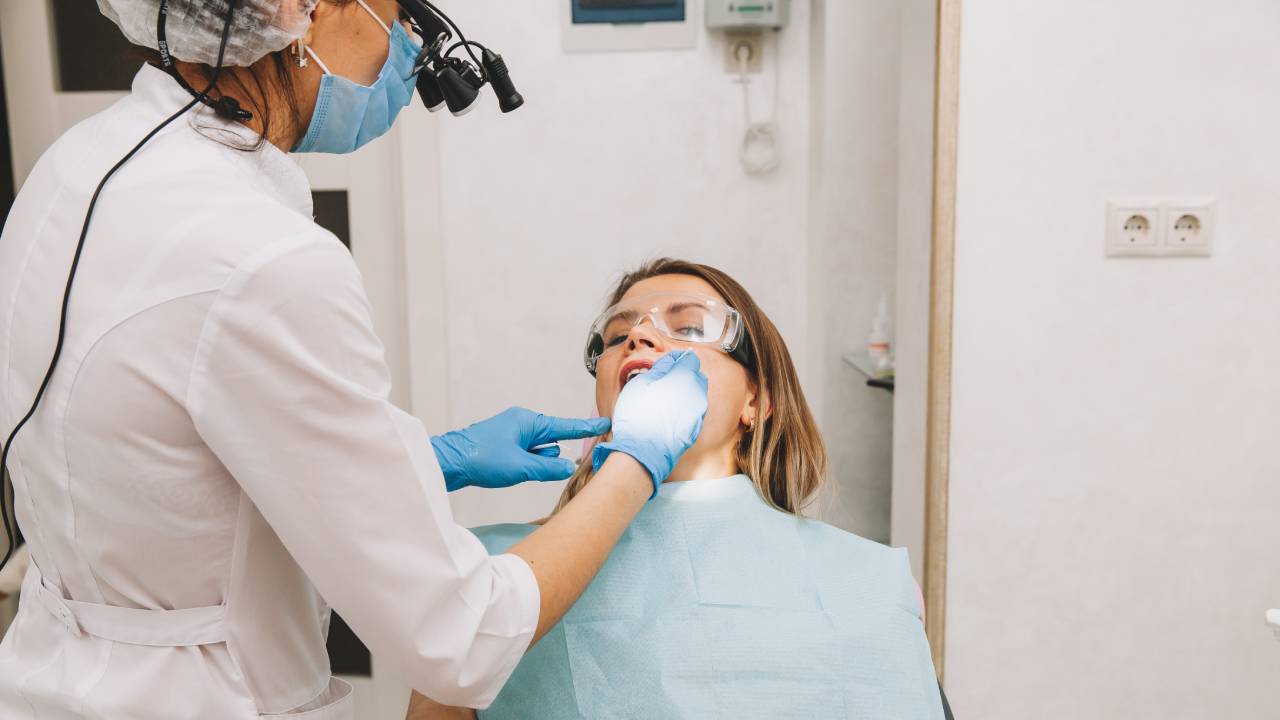
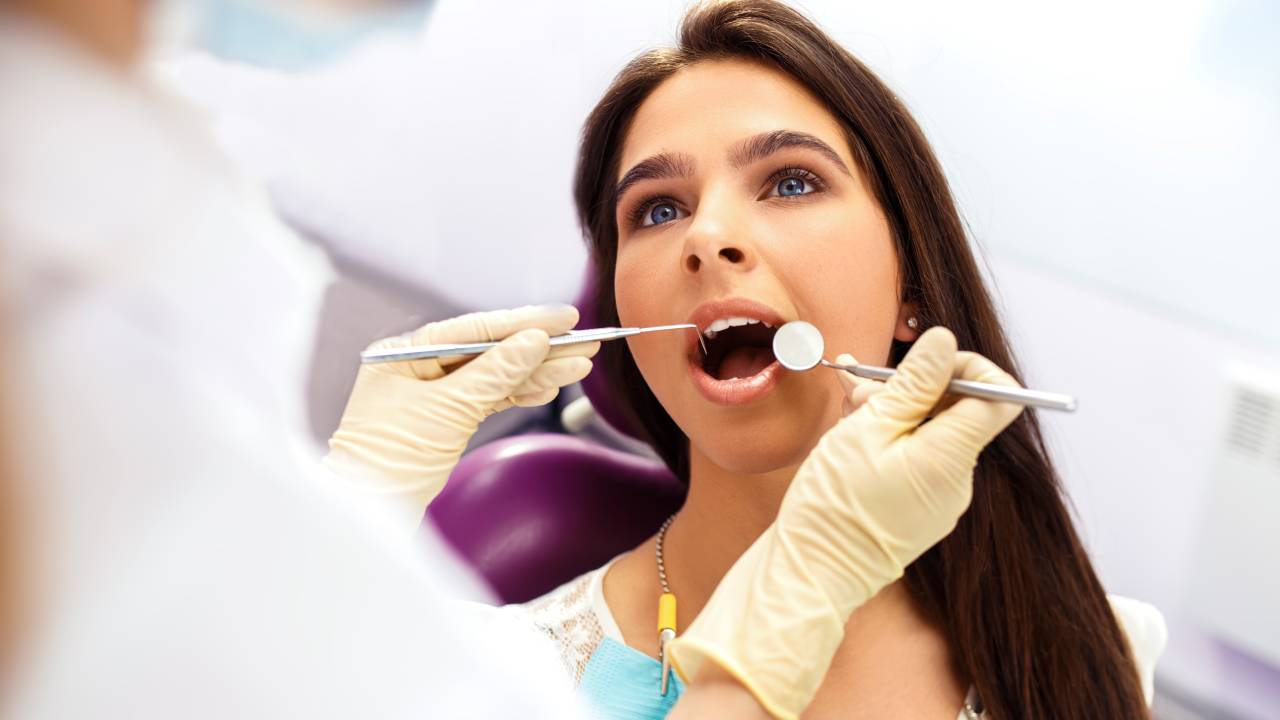
Once your mouth is sparkling, the dentist will perform a comprehensive check. This involves examining each tooth for decay, evaluating the health of your gums, inspecting oral tissues, and assessing bite alignment and existing restorations. Your dentist may also perform a dental health assessment to identify risk factors such as gum recession or enamel wear. If you are visiting for a comprehensive dental evaluation or a complete oral health exam, expect a deeper dive into areas like TMJ function and any signs of bruxism. Any areas of concern will be highlighted, and next steps explained in plain language.
Exam components overview
A comprehensive exam covers multiple areas of your oral cavity to ensure no detail is overlooked.
Soft tissue evaluation
Your cheeks, tongue, lips, palate, and throat receive a careful inspection. The dentist feels and visually examines these soft tissues for redness, swelling, lesions, or abnormalities that could signal infection or pre-cancerous changes. Any unusual findings are noted for further testing or biopsy.
Oral cancer screening
A dedicated screening targets the earliest signs of oral cancer. Even if you have no obvious risk factors, this painless assessment involves inspecting and palpating areas prone to malignancy. Early detection improves outcomes dramatically.
Dental x-rays
Dental x-rays reveal hidden cavities, bone loss, and the roots of your teeth. Bitewing x-rays focus on the crowns of back teeth to spot decay between them. Periapical x-rays capture the entire tooth structure from crown to root tip. Panoramic x-rays provide a broad view of your jaws and sinuses to detect cysts or impacted teeth [1].
Diagnostic tools overview
Beyond standard visual inspection, your dentist uses advanced diagnostic tools to spot issues early.
Intraoral camera
An intraoral camera is a small wand that takes high-resolution images inside your mouth. These images display in real time on a monitor, letting you see exact problem areas such as cracks or discoloration. Seeing these close-up photos helps you understand your dentist’s recommendations.
Digital impressions
Gone are the days of gummy putty molds. Digital scanners capture a detailed 3D model of your teeth and gums in minutes. These impressions guide everything from crowns and bridges to aligner therapy, with fewer retakes and more comfort.
Treatment plan process
After gathering all diagnostic information, a personalized plan maps out next steps for your care.
Personalized recommendations
Your dentist will walk you through each finding, explaining why an intervention is recommended. Whether it’s a minor filling, deep gum cleaning, or a specialized procedure like a root canal, the rationale will be clear and backed by evidence-based dentistry. Often, these recommendations tie into your overall health goals—for example, reducing gum inflammation can improve diabetes management. Linking your exam to a larger full mouth dental evaluation or new patient dental exam sets the stage for comprehensive care.
Financial planning
Costs can vary depending on the complexity of recommended treatments and your insurance coverage. Discussing financial options upfront helps you make informed decisions. Many practices offer in-house payment plans, third-party financing, or package pricing for multiple visits. Your office’s billing coordinator can review your benefits and present the most affordable path forward.
Scheduling your exam
Setting up your exam is quick and convenient thanks to modern scheduling options.
Online booking options
Most dental offices now feature an online portal where you can choose your preferred date and time. Simply select “schedule dental exam today,” fill in your basic information, and confirm. If you prefer a traditional route, calling the front desk or sending a quick email works just as well. Look for practices listing they are dentist accepting adult patients or dentist accepting new patients.
Insurance and financing
When you call, have your insurance card ready. Verifying coverage in advance streamlines your check-in and prevents surprises. If you lack dental insurance, ask about affordable options like a membership plan or discount program. Many offices extend flexible payment plans so that cost never stands in the way of your health.
Maintain oral health
An exam is just the beginning—ongoing care and preventive habits keep your smile healthy year after year.
Follow-up visits
Routine exams and cleanings every six months are standard for most patients. However, if you have gum disease, susceptibility to decay, or complex dental work, your dentist may recommend more frequent visits. Sticking to this schedule ensures issues are managed before they escalate [1].
Home care routine
At home, brushing twice a day with fluoride toothpaste and flossing once daily remain nonnegotiable. Complement these practices with an antimicrobial mouthwash if recommended. Consistency is key: small daily efforts reinforce the benefits of your professional cleanings.
Patient questions answered
You may still have questions about logistics, cost, or what to expect. We cover some of the most common queries here.
How often to visit
Most healthy adults and children should have a dental exam every six months. If you have special needs—uncontrolled diabetes, a history of gum disease, or dry mouth—you may need more frequent checkups.
What to bring
Arriving prepared makes your visit smoother. Gather:
- Your insurance card and photo identification
- A list of current medications and known allergies
- Any recent dental x-rays, if available
- A brief summary of medical history updates
- Questions you want to discuss with your dentist
Exam cost
Without insurance, a basic dental exam ranges from $75 to $200, depending on location and the inclusion of x-rays. Insurance plans often cover preventive exams fully, but verify your copay or deductible beforehand [2].
Pain and discomfort
Preventive exams are generally painless. If you experience sensitivity or anxiety, let your dentist know. Options such as topical anesthetics for a thorough cleaning or oral sedation for nervous patients can make the experience more comfortable.
Taking charge of your dental health begins the moment you decide to schedule your exam. With clear expectations, advanced diagnostic tools, and a trusted care team guiding you, maintaining a healthy smile has never been easier. Ready to take the next step? Book your full dental exam appointment or connect with a general dentist appointment today.
References
- (MedlinePlus)
- (Cigna)